 0
0
 0
0
The Cuba US Trump standoff economic crisis is drawing renewed global attention as tensions between Washington and Havana intensify while the Caribbean nation continues to face its worst economic downturn in decades. Reports suggest growing uncertainty over Cuba’s political future, US foreign policy direction, and the impact on Cuban citizens.
Cuba Faces Worst Economic Crisis in Decades
Cuba is currently experiencing one of its most severe economic crises in over 30 years, with widespread shortages affecting daily life across the country.
Widespread Shortages Across the Country
Basic necessities have become increasingly difficult to access, including:
- Fuel shortages disrupting transport and power supply
- Limited access to clean water in several regions
- Food scarcity affecting households nationwide
These conditions have significantly strained the population and public services.
Mass Migration from the Island
The economic situation has also triggered a major migration wave.
Key figures include:
- Between 1 to 2 million Cubans have left in the past five years
- This represents the largest exodus in Cuba’s modern history
- Migration continues due to worsening living conditions
The population decline is adding further pressure to the country’s economy.
Political Tensions Between the US and Cuba
The Cuba US Trump standoff economic crisis is also shaped by renewed political friction between Washington and Havana.
Trump’s “Liberation” Narrative
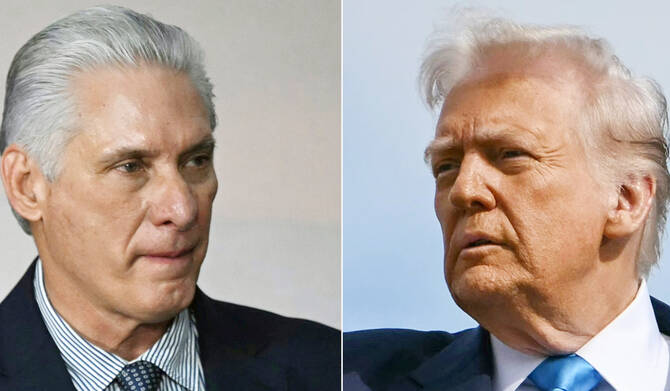
Former US President Donald Trump has reportedly described 2026 as a potential “year of liberation” for Cuba.
This framing has raised debate about:
- Possible US policy shifts toward Cuba
- Increased political pressure on the Cuban government
- The future of US-Cuba relations
However, analysts remain divided on the feasibility of such claims.
Low Likelihood of Military Action
Experts widely suggest that a military invasion is highly unlikely due to:
- Regional diplomatic constraints
- Historical US foreign policy limitations
- Potential international backlash
Instead, economic and diplomatic tools are seen as more realistic options.
Economic Pressure and Possible Policy Shifts
The discussion around the Cuba US Trump standoff economic crisis includes speculation about alternative approaches to US policy.
Possibility of Economic Agreements
Some analysts suggest that a negotiated economic approach could be considered, similar to previous US-Cuba engagement efforts.
Possible outcomes include:
- Partial easing of trade restrictions
- Limited economic cooperation agreements
- Controlled diplomatic reopening strategies
This approach would focus more on economic influence than political confrontation.
Reference to Past US-Cuba Relations
The 2015 diplomatic opening under the Obama administration is often cited as a comparison point.
That period included:
- Restoration of diplomatic ties
- Increased travel and trade opportunities
- Limited easing of long-standing restrictions
However, many of those gains were later rolled back.
Cuban Government and Political Reality
The internal situation in Cuba remains complex, with limited political alternatives and growing public frustration.
Weak and Fragmented Opposition
Reports indicate that opposition groups face significant challenges:
- Limited coordination among political groups
- Restrictions due to imprisonment and exile
- Lack of unified leadership
This weak opposition structure reduces prospects for rapid political change.
Government Resilience Amid Crisis
Despite economic challenges, Cuba’s government continues to maintain control, relying on:
- Centralized governance structures
- Long-standing political institutions
- Support from remaining allies
This has allowed the system to persist despite mounting pressures.
Impact on Cuban Americans and US Politics
The Cuba US Trump standoff economic crisis also carries political implications within the United States, particularly in Florida.
Cuban American Community Concerns
Cuban Americans in South Florida remain deeply engaged in US-Cuba policy discussions, with differing views on:
- Sanctions and embargo policies
- Engagement versus isolation strategies
- Long-term political outcomes for Cuba
These divisions influence US domestic politics.
Role of US Political Figures
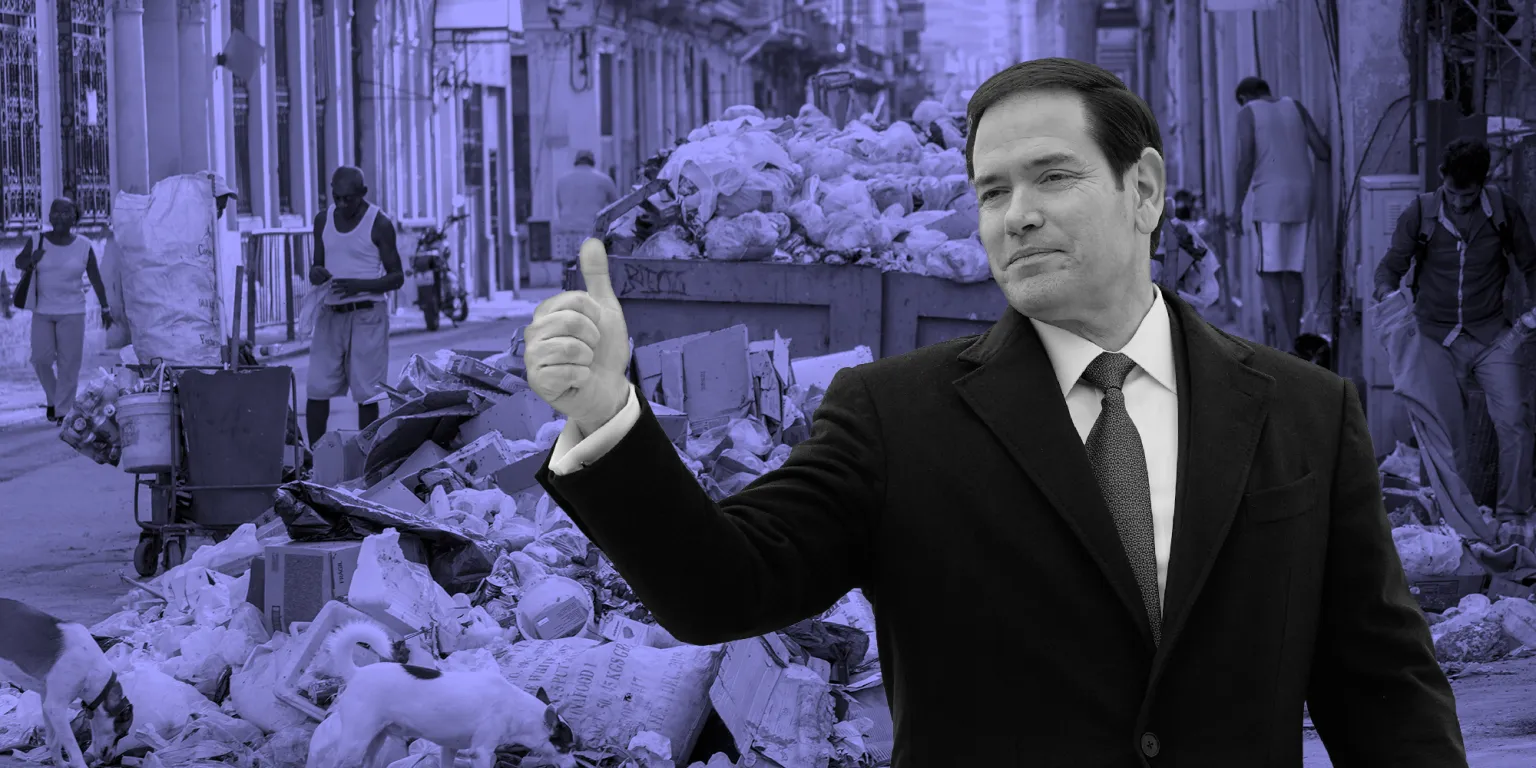
US policymakers, including influential figures such as Senator Marco Rubio, are often cited in discussions about Cuba policy direction.
The issue remains politically sensitive due to:
- Electoral considerations in key states
- Historical ties between Cuba and US communities
- Competing policy approaches within Congress
Economic Collapse and Long-Term Outlook
Cuba’s current crisis raises broader questions about its long-term sustainability.
Structural Economic Challenges
Key challenges include:
- Declining productivity
- Limited access to foreign investment
- Dependence on external support systems
These issues continue to hinder recovery efforts.
Uncertain Future Scenarios
Possible outcomes for Cuba include:
- Gradual economic reform
- Continued stagnation under current systems
- Renewed international negotiations
Each scenario depends heavily on both domestic and international developments.
FAQ
Why is Cuba facing an economic crisis?
Cuba is experiencing shortages of fuel, food, and essential goods due to long-term structural issues and external pressures.
What is the US role in Cuba’s situation?
US-Cuba relations, including sanctions and political tensions, continue to influence Cuba’s economic and diplomatic landscape.
Is military action against Cuba likely?
Most analysts consider military intervention highly unlikely, with economic and diplomatic strategies seen as more realistic.
Why are so many Cubans leaving the country?
Many Cubans are emigrating due to economic hardship, shortages, and limited opportunities.
Conclusion
The Cuba US Trump standoff economic crisis highlights a complex intersection of economic collapse, political tension, and international diplomacy. While speculation continues about future US policy under Trump, the immediate reality for Cuba remains a severe economic struggle marked by shortages, migration, and uncertainty about long-term stability.
Click here for more news