 0
0
 0
0
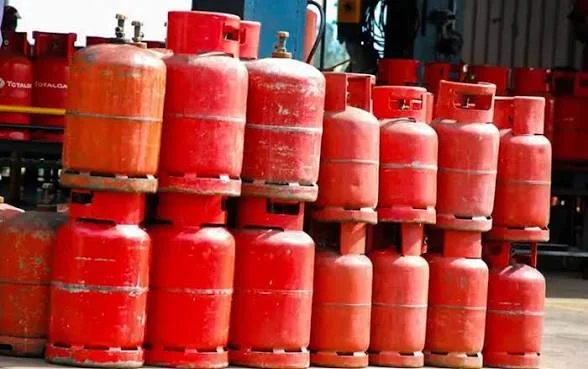
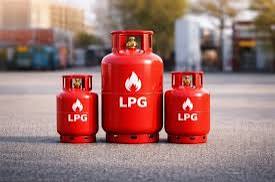
The cooking gas price increase Nigeria has continued to draw attention as retailers and industry stakeholders link the upward trend to global supply disruptions and rising international market pressures. According to the Liquefied Petroleum Gas Retailers Association of Nigeria (LPGAR), external geopolitical tensions and supply chain instability are key factors influencing domestic LPG pricing.
LPG Retailers Link Price Increase to Global Market Disruptions
The Liquefied Petroleum Gas Retailers Association of Nigeria has attributed the rising cost of cooking gas to developments in the global energy market, particularly tensions affecting crude oil and gas supply chains.
US-Iran Tensions and Global Energy Impact
According to LPGAR Chairman Ayobami Olarinoye, international political tensions have contributed significantly to market instability.
Key points highlighted include:
- Global supply disruptions affecting LPG availability
- Increased pressure on international energy prices
- Difficulty isolating Nigeria’s LPG market from global trends
The cooking gas price increase Nigeria is therefore partly linked to external geopolitical conditions rather than domestic distribution alone.
Nigeria’s Integration into the Global Gas Market
The chairman explained that Nigeria operates within a global petroleum system, meaning international events directly affect local pricing.
Key Market Factors
- Dependence on global LPG imports and allocations
- Exposure to international shipping and supply costs
- Limited insulation from global price fluctuations
Domestic Challenges Affecting Cooking Gas Prices
Beyond international pressures, internal infrastructure and supply chain issues are also contributing to price movements in the country.
Infrastructure and Storage Limitations
Industry stakeholders have highlighted the need for expanded storage and production capacity to meet growing demand.
Key Infrastructure Concerns
- Insufficient LPG storage facilities
- Limited refining and processing capacity
- Rising consumption rates across households
The cooking gas price increase Nigeria has been linked to the widening gap between demand and available supply infrastructure.
Rising Consumption Patterns in Nigeria
LPG usage has increased significantly as more households transition from traditional fuels to cleaner energy sources.
Key trends include:
- Growing adoption of cooking gas in urban areas
- Increased demand for cleaner household energy
- Pressure on existing supply systems
Market Pricing and Supply Chain Dynamics
Retailers say pricing challenges are also driven by competition and inconsistencies in supply chain structures.
Price Variations Across the Value Chain
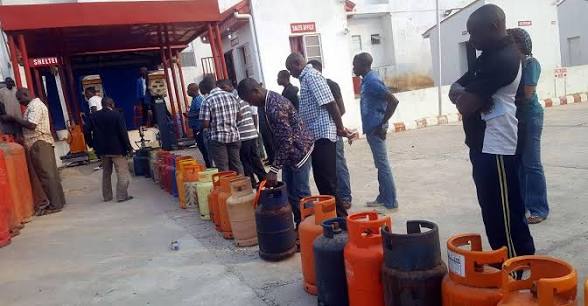
According to LPGAR, differences in pricing between wholesalers and retailers are affecting market stability.
Key Observations
- Some offtakers sell directly to consumers at lower prices
- Retailers face reduced profit margins
- Price disparities create market pressure
This situation has contributed to concerns surrounding the cooking gas price increase Nigeria and its impact on small-scale distributors.
Depot Price Adjustments and Market Trends
Recent developments indicate some fluctuations in depot prices.
Key updates include:
- A reported reduction of N170 per kilogram by a private refinery
- Ex-depot prices previously around N1,400 per kilogram
- Gradual but marginal price decreases in some areas
Government and Industry Response to Price Pressures
Stakeholders have called for stronger policy intervention to stabilize the cooking gas market and protect consumers.
Calls for Government Intervention
LPGAR has urged authorities to take steps to reduce the impact of rising prices on households.
Suggested Measures
- Increased investment in LPG production facilities
- Expansion of domestic refining capacity
- Support for improved storage infrastructure
These measures are seen as essential in addressing the cooking gas price increase Nigeria in the long term.
Industry Cooperation and Market Stability
Stakeholders also emphasized the importance of coordination across the LPG value chain.
Key recommendations include:
- Improved regulation of pricing practices
- Better monitoring of retail distribution
- Strengthened collaboration between operators
Supply Improvements and Price Outlook
Despite current challenges, industry representatives expressed cautious optimism about potential price stabilization.
Role of NLNG and Import Supply
New shipments and allocations are expected to support market supply.
Key Supply Developments
- Increased LNG allocations entering the domestic market
- Ongoing importation of LPG products
- Gradual improvement in product availability
Expected Price Trends
While prices remain elevated, stakeholders suggest a possible downward adjustment in the future.
Key expectations:
- Marginal price reductions in some regions
- Stabilization dependent on supply consistency
- Gradual market correction over time
Retailer Concerns Over Market Practices
Retailers have also raised concerns about competitive practices within the sector that they say affect profitability and fairness.
Allegations of Below-Cost Selling
Some LPG operators claim that certain offtakers sell directly to consumers at prices lower than retail purchase costs.
Impact on Retailers
- Reduced profit margins for independent sellers
- Increased financial pressure on small businesses
- Market imbalance in pricing structure
Need for Regulatory Oversight
Stakeholders believe that closer monitoring may help address pricing irregularities in the sector.
FAQ
What is causing the cooking gas price increase in Nigeria?
The cooking gas price increase Nigeria is mainly linked to global supply disruptions, geopolitical tensions, and local infrastructure challenges.
Are global events affecting cooking gas prices in Nigeria?
Yes, international tensions and supply chain disruptions significantly influence LPG prices in Nigeria due to global market integration.
Will cooking gas prices reduce soon in Nigeria?
Stakeholders expect possible marginal reductions as more supply enters the market through imports and LNG allocations.
What is the role of LPG retailers in the price situation?
Retailers are affected by supply chain pricing gaps and competition, which reduce margins and contribute to market pressure.
Conclusion
The cooking gas price increase Nigeria reflects a combination of global market pressures and domestic supply challenges. While international tensions continue to influence pricing, local issues such as infrastructure limitations and distribution imbalances also play a key role. Industry stakeholders maintain that improved investment, better regulation, and increased supply could help stabilize prices over time.
Click here for more news