0
0
 0
0
The Congo Ebola outbreak concern has intensified after the World Health Organization (WHO) described the situation in the Democratic Republic of Congo (DRC) as “deeply concerning,” citing rising infections, high fatalities, and the absence of an approved vaccine for the current strain.
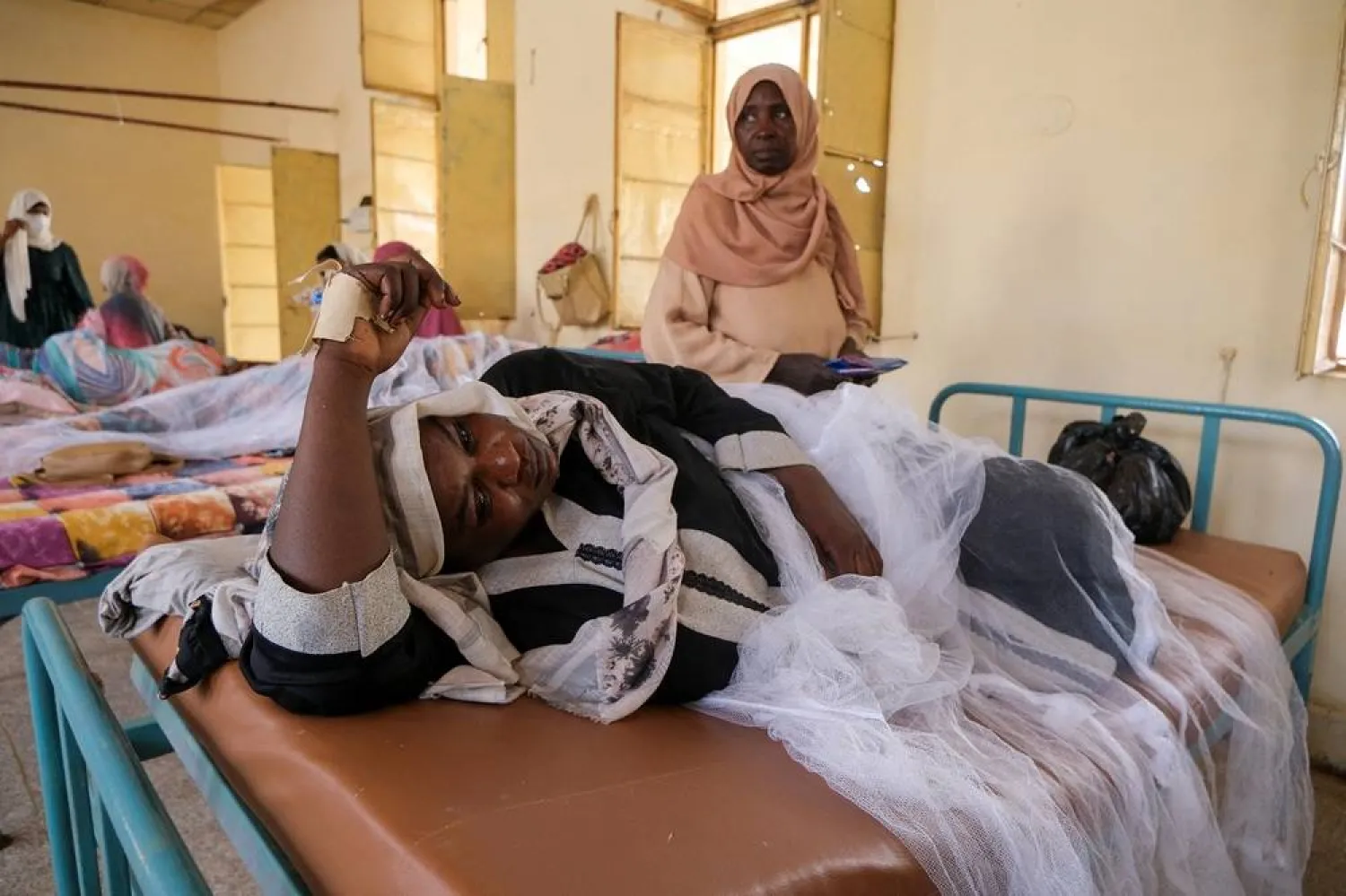
Health officials say the outbreak is spreading under difficult conditions, with hundreds of suspected cases already recorded and uncertainty over the true scale of infections.
WHO Declares Situation “Deeply Concerning”
The World Health Organization issued a strong warning about the worsening public health crisis in central Africa.

Rising infection numbers in Congo Ebola outbreak concern
According to WHO updates:
- At least 30 confirmed Ebola cases
- Around 500 suspected cases under investigation
- Approximately 130 deaths reported
Health experts caution that these figures may increase as more cases are verified across affected regions.
Complex conditions slowing response efforts
Officials say the outbreak is unfolding in a highly challenging environment, including:
- Ongoing insecurity in affected regions
- Displacement of local populations
- Limited access to remote communities
- Overstretched healthcare systems
These factors have made it difficult to track and contain the virus effectively.
Ebola Strain Raises Serious Medical Concerns
The Congo Ebola outbreak concern is heightened by the type of virus involved.
No licensed vaccine or treatment available
WHO confirmed that the current Ebola strain does not yet have:
- A licensed vaccine
- A specific antiviral treatment
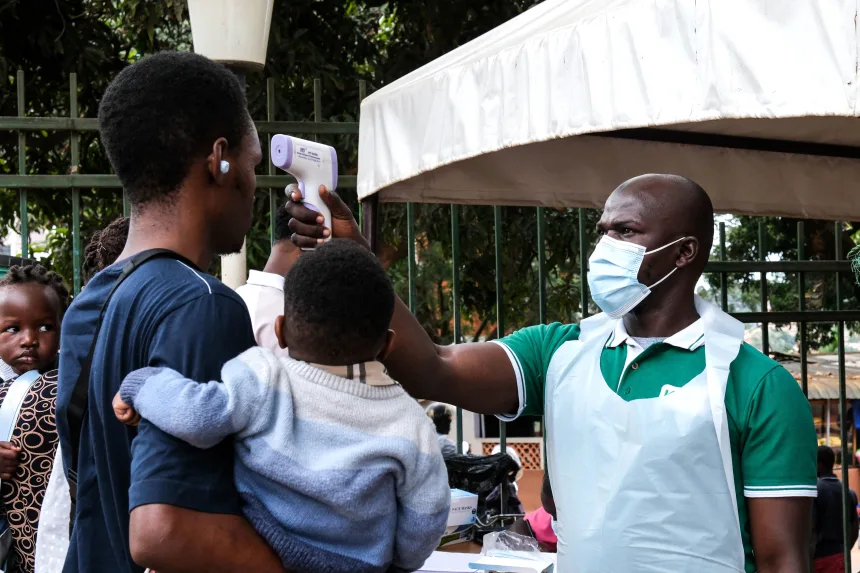
This makes containment heavily dependent on early detection, isolation, and strict infection control measures.
Symptoms and transmission risks
Medical experts warn that symptoms include:
- Fever and headache
- Vomiting and severe weakness
- Abdominal pain
- Internal and external bleeding
The virus spreads through direct contact with infected bodily fluids, making healthcare workers particularly vulnerable during outbreaks.
Cross-Border Spread Raises Regional Alarm
Uganda confirms linked infections
Uganda has also reported cases connected to the outbreak, including:
- Two confirmed infections
- One confirmed death
This has increased concerns that the virus may spread further across borders if not contained quickly.
International monitoring increases
Global health agencies, including the U.S. Centers for Disease Control and Prevention (CDC), are closely monitoring developments and coordinating response efforts.
Some high-risk patients and contacts are being moved to specialized treatment facilities in countries with advanced Ebola care experience.
Emergency Health Measures Activated
WHO escalates global alert level
Earlier this week, WHO declared the outbreak a Public Health Emergency of International Concern (PHEIC), signaling a high-risk global situation.
Response teams deployed
Emergency measures now include:
- Rapid response medical teams in affected regions
- Establishment of treatment centers in hotspot areas
- Deployment of protective medical supplies
- Increased surveillance in neighboring countries
Aid organizations are also assisting with containment efforts on the ground.

Historical Context of Ebola in Congo
The Democratic Republic of Congo has experienced multiple Ebola outbreaks over the years, making it one of the most affected countries globally.
Previous major outbreaks
- One of the deadliest outbreaks killed over 2,000 people between 2018 and 2020
- Several smaller outbreaks have occurred in recent years
- The country has developed experience but continues to face logistical challenges
Current outbreak strain concerns
The present strain is considered highly dangerous due to:
- High fatality rate
- Lack of vaccine coverage
- Difficult detection in early stages
Why Experts Are Worried About This Outbreak
Health specialists warn that the Congo Ebola outbreak concern is driven by several factors:
- Delayed detection in early stages
- Misidentification of symptoms as malaria or flu
- Limited testing capacity in rural areas
- Cultural practices affecting early reporting
Experts say early intervention is critical to preventing wider regional spread.
FAQ
What is causing the current Ebola outbreak in Congo?
The outbreak is caused by a strain of the Ebola virus spreading in the Democratic Republic of Congo, with confirmed and suspected cases under investigation.
How dangerous is the Congo Ebola outbreak concern?
Health officials report a high fatality rate and rapid spread potential, especially due to the lack of a licensed vaccine for the current strain.
Has Ebola spread outside Congo?
Yes. Uganda has reported confirmed cases linked to the outbreak, raising concerns about cross-border transmission.
Is there a cure or vaccine for this Ebola strain?
No approved vaccine or specific treatment exists for the current strain, making containment the primary response strategy.
Conclusion
The Congo Ebola outbreak concern continues to escalate as health authorities battle rising infections, limited medical tools, and difficult operating conditions. With no vaccine available and confirmed cross-border spread already detected, global health agencies are urging rapid containment efforts to prevent further escalation.
PLEASE CLICK HERE FOR MORE NEWS