 0
0
 0
0
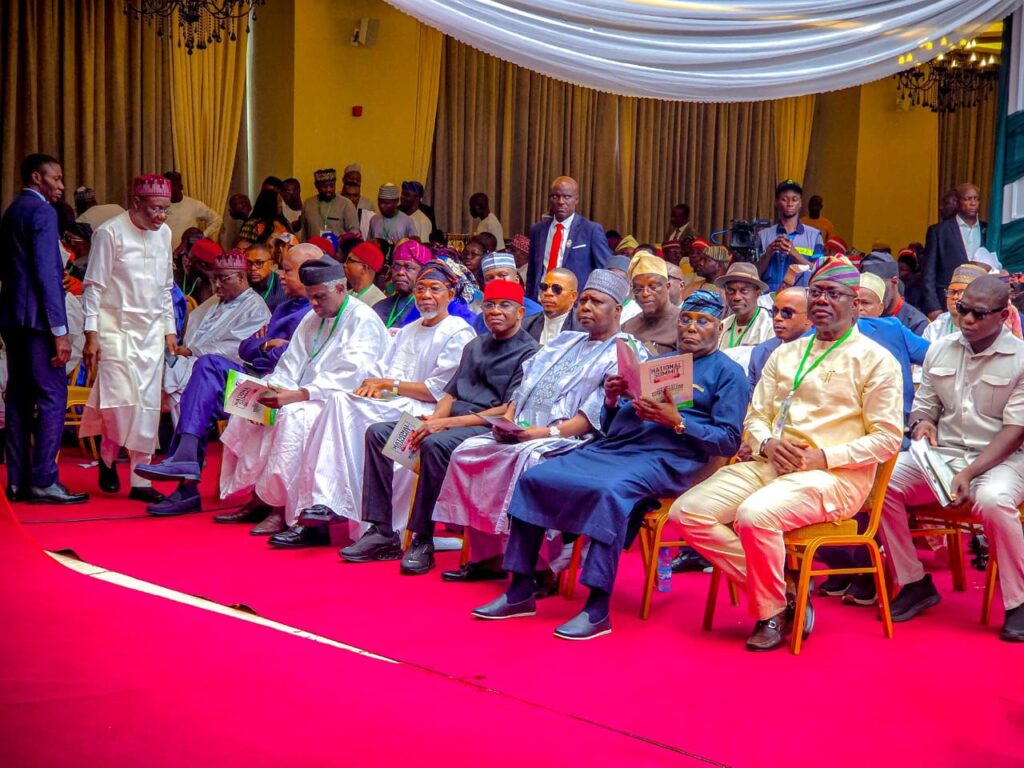
The APC attacks Makinde remarks have intensified political tensions after the ruling All Progressives Congress criticized Oyo State Governor Seyi Makinde over statements made during an opposition summit in Ibadan.
In a strongly worded reaction, the party described the governor’s comments as risky and capable of escalating tensions, drawing attention to the importance of responsible political communication in a sensitive national climate.
APC Condemns Makinde’s Statements
The APC attacks Makinde remarks were detailed in an official statement issued in Abuja, where the party accused the governor of using language that could incite unrest.
According to the APC, Makinde referenced the “Operation Wetie” crisis of the 1960s, a period associated with political violence in Nigeria’s former Western Region. The party argued that invoking such historical events could trigger unnecessary fear and instability.
Concerns Over Historical References
The APC noted that references to past political violence remain highly sensitive and should be handled carefully by public officials.
The party stressed that
- Historical conflicts can influence present-day tensions
- Public statements by leaders carry significant weight
- Political rhetoric must prioritize peace and unity
The APC attacks Makinde remarks highlight concerns about how history is used in political discussions.
Responsibility of Public Office
The ruling party emphasized that as a sitting governor, Makinde holds a position that demands caution in public messaging.
It stated that leaders, particularly those responsible for security within their states, should avoid language that could be interpreted as inflammatory or divisive.
APC Urges Security Agencies to Act
The APC attacks Makinde remarks also included a call for security and intelligence agencies to review the governor’s statements.
While acknowledging constitutional protections, the party maintained that accountability remains essential when national security is involved.
Potential Security Implications
The APC warned that political remarks, if misinterpreted, could have wider consequences for public safety.
The party pointed out that
- Statements from leaders can shape public reactions
- Miscommunication may lead to unrest
- Authorities must remain alert to potential risks
These concerns form a central part of the APC attacks Makinde remarks narrative.

APC Rejects One-Party State Claims
The APC attacks Makinde remarks also addressed allegations raised at the summit that Nigeria is moving toward a one-party system.
The ruling party dismissed these claims, describing them as inaccurate and politically motivated.
Response to Opposition Allegations
According to the APC, claims of a one-party state are intended to divert attention from internal challenges faced by opposition groups.
The party maintained that Nigeria continues to operate a multi-party democratic system with active political competition.
Criticism of Opposition Parties
The APC pointed to internal issues within opposition parties as the primary cause of their current challenges.
It cited
- Leadership struggles
- Conflicting ambitions
- Organizational weaknesses
The APC argued that these factors, rather than external interference, explain the opposition’s difficulties.
APC Reaffirms Political Position
The APC attacks Makinde remarks also served as an opportunity for the ruling party to restate its political stance.
The party made it clear that it will not assist opposition groups in resolving their internal matters.
Focus on 2027 Elections
The APC emphasized its commitment to preparing for the next general elections, particularly in 2027.
It stated that
- Its priority is strengthening its political structure
- It will focus on voter engagement and policy delivery
- It will not be distracted by opposition dynamics
This approach reflects the party’s long-term electoral strategy.
Commitment to Governance Agenda
The ruling party reaffirmed its support for the current administration’s policies, including the Renewed Hope Agenda.
It expressed confidence that voters will evaluate political parties based on governance performance and results.

Broader Political Implications
The APC attacks Makinde remarks come amid increasing political activity and debate across Nigeria.
Opposition leaders have been working to build alliances, while the ruling party continues to defend its record and strategy.
Rising Political Tension
Recent events indicate growing tension within the political space, driven by
- Economic challenges
- Security concerns
- Strategic positioning ahead of elections
These factors contribute to the heightened political environment.
Importance of Responsible Communication
The situation underscores the role of political communication in maintaining national stability.
Observers note that statements by public officials can influence public perception and political dynamics.
Ensuring that political discourse remains constructive and responsible is seen as essential for democratic stability.
FAQ Section
Why did APC attack Makinde remarks
The APC criticized Makinde for referencing historical political violence, which it believes could incite unrest.
What is Operation Wetie
Operation Wetie refers to a period of political violence in Nigeria’s Western Region during the 1960s.
Did APC call for action against Makinde
The party urged security agencies to review his statements but acknowledged his constitutional immunity.
How did APC respond to one-party state claims
The APC dismissed the claims and attributed opposition challenges to internal issues.
Conclusion
The APC attacks Makinde remarks highlight ongoing political tensions and the importance of responsible leadership communication. As Nigeria approaches future elections, the exchange reflects broader debates about governance, accountability, and the direction of the country’s democracy.
PLEASE CLICK HERE FOR MORE NEWS