 0
0
 0
0
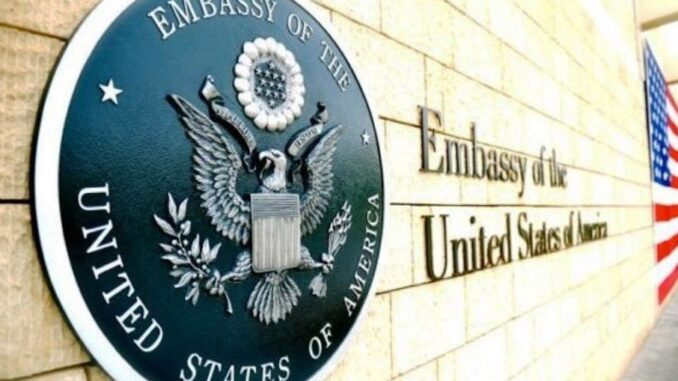
US continuous visa vetting has been officially confirmed by the United States Mission in Nigeria, stating that all visa applicants remain under security review even after receiving visa approval.
The announcement highlights that visa screening is not a one-time process but a continuous system designed to monitor eligibility throughout the entire validity period of a visa. This applies to Nigerians and applicants from all other countries regardless of visa type or location.
The clarification comes amid growing global attention on immigration policies and security procedures, especially as more people travel for study, work, tourism, and family reunification.
US Confirms Ongoing Visa Monitoring Process
The United States Mission in Nigeria explained that visa security screening does not end once an application is approved. Instead, it continues through multiple stages.
Continuous Screening from Application to Approval
According to the mission, the process begins immediately an applicant submits a visa request. It continues through:
- Initial application review
- Background checks and interviews
- Final visa approval decision
- Post-approval monitoring during visa validity
This system is part of the broader US continuous visa vetting framework aimed at ensuring that only eligible individuals maintain access to travel privileges.
Monitoring Does Not Stop After Issuance
The statement emphasized that even after a visa is issued, applicants remain subject to review. This means that changes in an individual’s background or circumstances could affect their eligibility to travel.
The US continuous visa vetting process is designed to identify risks that may arise after approval, ensuring that travel security standards remain intact.
What Continuous Visa Vetting Means for Applicants
The idea of ongoing screening may raise questions among travelers, especially those applying from countries with high visa demand such as Nigeria.
Background Checks and Security Assessments
The United States Mission explained that security vetting involves several layers of assessment, including:
- Criminal record checks
- Security risk evaluation
- Immigration history review
- Cross-checking international databases
- Other eligibility factors
These checks are not limited to the initial application stage. Under US continuous visa vetting, they may be repeated or updated at any time during the visa validity period.
Applies to All Visa Categories
Another key point is that the process applies universally. This includes:
- Student visas
- Tourist visas
- Work visas
- Diplomatic or official visas
- Other travel categories
No visa type is exempt from ongoing screening, reinforcing the consistency of the US continuous visa vetting system.
Why the United States Uses Continuous Vetting
The US government has maintained that security remains a top priority in its immigration system. Continuous vetting is part of a broader strategy to protect national security and public safety.
Preventing Security Risks
One of the core goals of this process is to identify individuals who may become security risks after visa issuance. Situations that could trigger concern include:
- New criminal activity
- Fraudulent documentation discovered later
- Changes in immigration status
- Links to security threats or investigations
By maintaining updated information, authorities can respond quickly if concerns arise.
Ensuring Eligibility Throughout Visa Validity
US continuous visa vetting also ensures that visa holders continue to meet eligibility requirements. A visa is not just a permission granted at a single moment; it is a status that must remain valid over time.
This means that eligibility is continuously assessed, not permanently guaranteed after approval.
Implications for Nigerian Visa Applicants
For Nigerian applicants and travelers, the announcement provides clarity on how the system operates rather than introducing a new rule.
No Change in Application Requirements
The United States Mission did not indicate any change in documentation or application steps. Instead, it clarified how existing procedures work.
Applicants are still required to:
- Submit accurate documentation
- Attend interviews where necessary
- Provide truthful background information
US continuous visa vetting simply extends oversight beyond approval.
Importance of Accurate Information
One major implication is the importance of consistency in applications. Any discrepancies discovered during later reviews may affect travel eligibility.
Applicants are encouraged to ensure:
- Information submitted is truthful
- Documents are valid and verifiable
- Personal records remain consistent
How Continuous Vetting Works in Practice
Although the system is largely automated and security-driven, it operates through multiple channels of data review.
Data Cross-Checking Systems
The US uses interconnected databases to track and verify information. These systems may include:
- Immigration records
- Law enforcement databases
- International security watchlists
- Travel history systems
US continuous visa vetting relies on these tools to detect potential issues quickly.
Ongoing Eligibility Monitoring
Visa holders are not required to actively participate in the monitoring process. Instead, the system runs in the background, updating records when necessary.
If concerns arise, authorities may take action, which could include:
- Additional screening
- Visa revocation
- Travel restrictions
Global Context of Visa Security Systems
Continuous visa vetting is not unique to the United States, but the US system is among the most structured and widely discussed globally.
Increasing Use of Digital Security Systems
Many countries are adopting similar approaches that use digital monitoring and data analysis to enhance border security.
This reflects a global shift toward:
- Real-time identity verification
- Automated risk detection
- Integrated immigration databases
Balance Between Mobility and Security
Governments aim to balance ease of travel with national security concerns. Systems like US continuous visa vetting attempt to maintain this balance by allowing travel while monitoring risk levels.
What Travelers Should Understand Moving Forward
For individuals planning to travel to the United States, the key takeaway is awareness rather than alarm.
Key Points for Applicants
- Visa approval does not end security checks
- Eligibility is reviewed throughout visa validity
- Accurate documentation is essential
- All visa types are included in the process
Understanding US continuous visa vetting helps applicants better prepare for the expectations tied to international travel.
Staying Informed on Policy Updates
Visa policies may evolve over time. Applicants are encouraged to:
- Follow official embassy updates
- Check verified government announcements
- Avoid relying on unofficial interpretations
Frequently Asked Questions (FAQ)
What is US continuous visa vetting?
US continuous visa vetting is an ongoing security screening process that monitors visa applicants and holders before and after visa approval.
Does visa approval mean I am permanently cleared?
No. Under US continuous visa vetting, eligibility is reviewed throughout the visa validity period, not just at approval.
Does the process apply to all visa types?
Yes. It applies to all categories including tourist, student, and work visas.
Can a visa be revoked after approval?
Yes. If new security concerns arise during US continuous visa vetting, a visa may be reviewed or revoked.
Conclusion
The confirmation of US continuous visa vetting reinforces the United States’ approach to maintaining strict and ongoing immigration security standards. Rather than being a one-time approval system, visa issuance is part of a continuous evaluation process that spans the entire duration of a traveler’s stay eligibility.
For applicants, particularly Nigerians, the key focus remains on providing accurate information and maintaining compliance with visa conditions. While the system may seem complex, it primarily aims to ensure safety, accountability, and lawful international travel.
Click here for more news