 0
0
 0
0
The situation in the Strait of Hormuz has escalated as the United States and Iran move closer to an agreement that could reopen commercial shipping through the waterway.
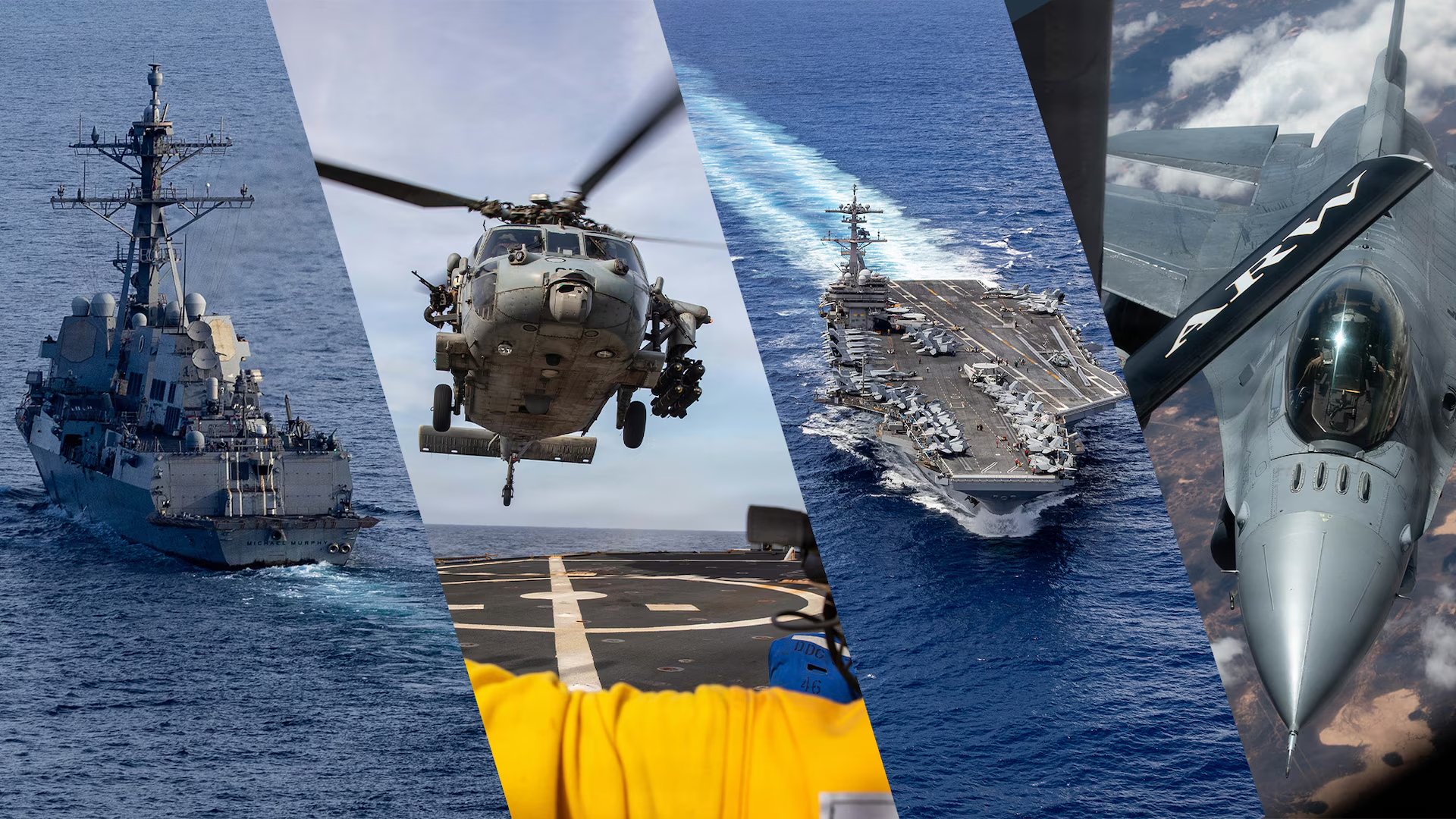
On Friday, U.S. Central Command (CENTCOM) said its forces have already rerouted 51 commercial ships since July 14, when maritime restrictions around Iran were reinstated. The move shows how tense things have become and how the military is stepping in to keep trade routes moving while talks continue.
CENTCOM reroutes 51 ships through Hormuz
According to CENTCOM, the rerouting took place while restrictions were in place on shipping around Iran. The U.S. military added that its forces had disabled two vessels and boarded two others to check whether they were following the rules.
CENTCOM reroutes 51 ships through Hormuz actions show how commercial shipping through the Strait of Hormuz , one of the world’s most important trade routes, continues to face disruption.
Talks between Iran and Oman are said to be moving closer to a deal.
A U.S. official explained that progress has been made and shared confidence that an agreement could soon be reached. If successful, the deal would reopen the Strait of Hormuz to unrestricted commercial shipping, easing pressure on one of the world’s busiest trade routes.
The official noted that Washington would lift restrictions on Iranian ports once a deal is in place to guarantee free movement for commercial ships. Still, the U.S. made it clear that any easing of restrictions depends on Iran keeping its side of the bargain and following through on the commitments in the agreement.
Reports suggest Iranian negotiators are waiting for approval from the country’s Supreme National Security Council before agreeing to the proposed deal on navigation through the Strait of Hormuz. The agreement would set out how commercial ships can move safely through the waterway while balancing the positions of both Washington and Tehran.
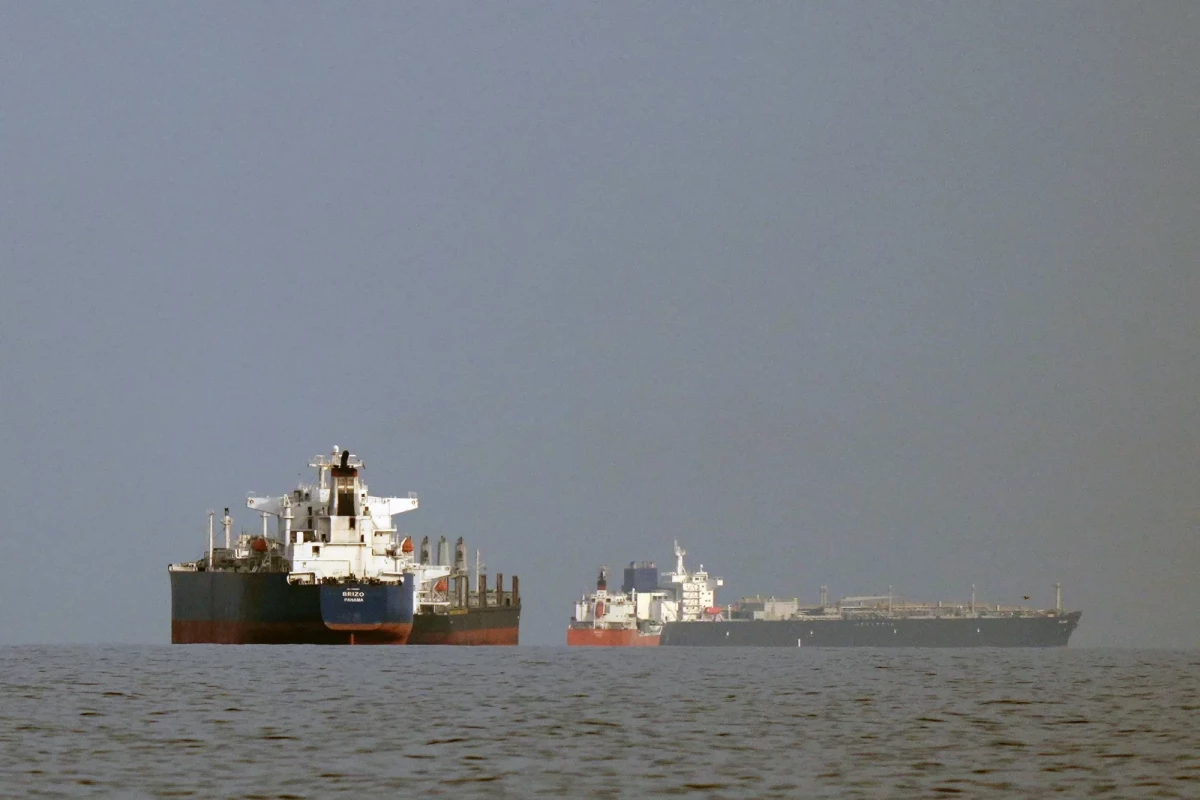
The United States insist that ships are still free to pass through the Strait of Hormuz by following a route close to Oman’s coastline. Iran, on the other hand, argues that it should have a say in managing traffic because it shares the waterway as one of the two bordering countries. This disagreement over navigation rights has been a key reason for the recent disruption of shipping in the area.
CENTCOM reroutes 51 ships through Hormuz comes as Washington and Tehran work with Oman to ease the restrictions. If the talks succeed, commercial vessels could once again move more predictably through the Strait of Hormuz, reducing strain on global shipping. For now, restrictions remain in place while negotiators push for final approval and the start of a possible agreement.
PLEASE CLICK HERE FOR MORE NEWS