 0
0
 0
0
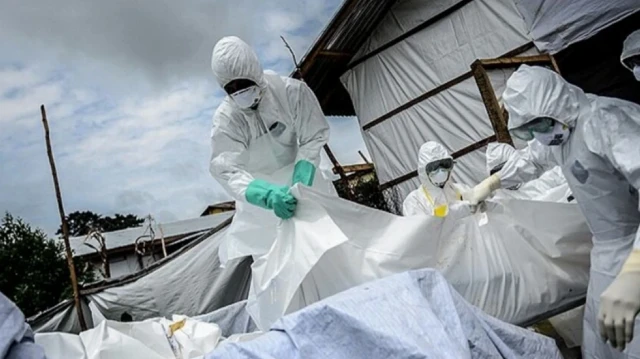
Switzerland Ebola funding DR Congo has been announced as the Swiss government moves to provide urgent financial support aimed at containing a growing Ebola outbreak in the eastern region of the Democratic Republic of the Congo (DRC).
The emergency allocation comes as health authorities and international partners intensify response efforts to control the spread of the virus, which has affected multiple provinces already facing conflict and displacement.
According to official reports, the funding will support medical teams, surveillance systems, and disease prevention programs across affected areas.

Switzerland Announces Emergency Ebola Funding
Switzerland has committed 3 million Swiss francs, equivalent to over $3.8 million, to help respond to the Ebola outbreak in eastern DR Congo.
The decision was announced by the Swiss Agency for Development and Cooperation (SDC) as part of a broader international response to the public health crisis.
Breakdown of the Emergency Support Package
The funding package is structured to support multiple response areas, including international coordination and local healthcare delivery.
Key allocations include:
- Over 2 million Swiss francs for the World Health Organization
- 500,000 francs for maternal and child health programs
- 400,000 francs for infectious disease prevention projects
- Deployment of Swiss humanitarian specialists
The Switzerland Ebola funding DR Congo initiative is aimed at strengthening emergency response capacity in high-risk areas.

Support for International Health Organizations
A significant portion of the funding will go directly to the World Health Organization (WHO) to support rapid intervention efforts.
This includes:
- Deployment of emergency medical teams
- Laboratory testing support
- Technical and logistical assistance
- Coordination of outbreak response activities
Health experts say international coordination is essential for controlling fast-moving infectious disease outbreaks.
Ebola Outbreak Spreads in Eastern DR Congo
The Ebola outbreak has severely impacted eastern parts of the Democratic Republic of the Congo, particularly regions already affected by instability.
Affected Provinces and Case Distribution
Health officials report that the outbreak is concentrated in:
- Ituri Province
- North Kivu
- South Kivu
These regions have also experienced long-standing armed conflict, making healthcare delivery more challenging.
Rising Number of Suspected Cases
According to health data:
- Over 900 suspected cases have been reported
- Around 100 cases have been confirmed
- At least 220 suspected deaths have been recorded
- 10 confirmed fatalities have been reported
The situation has raised concerns about the speed of transmission and limited healthcare access in rural and conflict-affected communities.
Bundibugyo Virus Strain Identified
Health authorities say the outbreak is linked to the Bundibugyo strain of the Ebola virus.
Characteristics of the Virus
The Bundibugyo virus is known for:
- High fatality potential in outbreak conditions
- Limited available treatment options
- No widely available vaccine at present
This makes containment efforts more difficult compared to other infectious diseases with established vaccines.
Challenges in Treatment and Prevention
Medical experts highlight several challenges:
- Limited healthcare infrastructure in affected regions
- Difficulty in reaching remote communities
- Ongoing displacement due to conflict
- Low access to rapid testing facilities
The Switzerland Ebola funding DR Congo support is expected to help improve response capacity under these conditions.
WHO Declares Global Health Emergency
The World Health Organization has classified the Ebola outbreak as a global health emergency due to rising infections and cross-border risks.
Statement from WHO Leadership
WHO Director-General Tedros Adhanom Ghebreyesus warned that:
“The outbreak is progressing faster than we are.”
The statement reflects growing concern over the pace of infection compared to response efforts.
Expansion Beyond Initial Outbreak Zones
The WHO declared the emergency after:
- Confirmed cases appeared outside initial regions
- Suspected infections continued to rise
- Health systems became increasingly strained
International agencies have since scaled up monitoring and response operations.
Regional Risk Across Multiple Countries
Health authorities warn that the outbreak poses risks beyond DR Congo.
Countries at Potential Risk
According to Africa Centres for Disease Control and Prevention, several countries face potential exposure risks, including:
- Rwanda
- Kenya
- Tanzania
- Burundi
- Other neighboring states
Cross-border movement increases the difficulty of containment.
Urban and Healthcare Worker Infections
Officials have also raised concerns about:
- Infections among healthcare workers
- Spread into urban areas
- Weak surveillance systems in some regions
These factors increase the urgency of coordinated international intervention.
Switzerland’s Humanitarian Response Strategy
Switzerland’s involvement includes both financial and technical assistance.
Deployment of Health Experts
The Swiss Humanitarian Aid Corps plans to deploy two specialists to assist UN agencies in the region.
Their roles include:
- Supporting outbreak coordination
- Assisting field operations
- Strengthening health surveillance systems
Coordination on the Ground
The Swiss cooperation office in Bukavu will help manage local coordination efforts.
This ensures that funding and personnel are effectively integrated into ongoing international response systems.
Importance of Global Health Cooperation
The Ebola outbreak highlights the importance of international cooperation in managing infectious diseases.
Role of International Agencies
Organizations involved in the response include:
- World Health Organization (WHO)
- African health agencies
- Humanitarian relief organizations
- National health ministries
Each plays a role in containment, treatment, and prevention.
Need for Rapid Response Systems
Experts emphasize that fast response is critical in preventing wider outbreaks.
Key priorities include:
- Early detection
- Rapid isolation of cases
- Public health education
- Vaccination research and deployment
The Switzerland Ebola funding DR Congo effort is part of these global containment strategies.
FAQ
Why did Switzerland provide funding to DR Congo?
Switzerland provided $3.8 million in emergency funding to help contain the Ebola outbreak and support international response efforts.
Which areas are most affected by the Ebola outbreak?
The outbreak is mainly concentrated in Ituri, North Kivu, and South Kivu provinces in eastern DR Congo.
What strain of Ebola is involved in the outbreak?
The outbreak is linked to the Bundibugyo strain of the Ebola virus, which currently has no widely available vaccine.
Why is the outbreak considered a global health emergency?
The WHO declared it a global emergency due to rising infections, cross-border risk, and strain on healthcare systems.
Conclusion
The Ebola outbreak in eastern DR Congo continues to raise serious public health concerns, prompting urgent international response efforts. Switzerland’s $3.8 million funding package adds critical support to ongoing containment operations led by global health agencies. As the situation develops, coordinated action between governments and health organizations remains essential to controlling the spread of the virus and protecting vulnerable populations.
Click here for more news