 0
0
 0
0
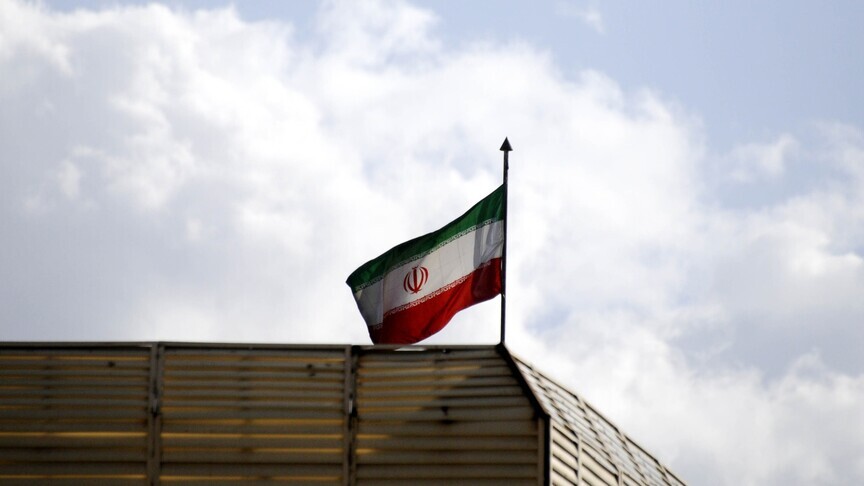
Iranian sailors return home 2026 after a group of 20 Iranian nationals aboard a vessel seized by the United States near Singapore were successfully repatriated following diplomatic negotiations involving Pakistan and regional authorities. The sailors were reportedly held under difficult conditions before being transferred through a coordinated process that led to their eventual return to Iran.
The development highlights ongoing maritime tensions and diplomatic engagement involving multiple countries in Asian waters, particularly in relation to naval enforcement actions and regional shipping routes.
Overview of the Vessel Seizure Incident Near Singapore Waters
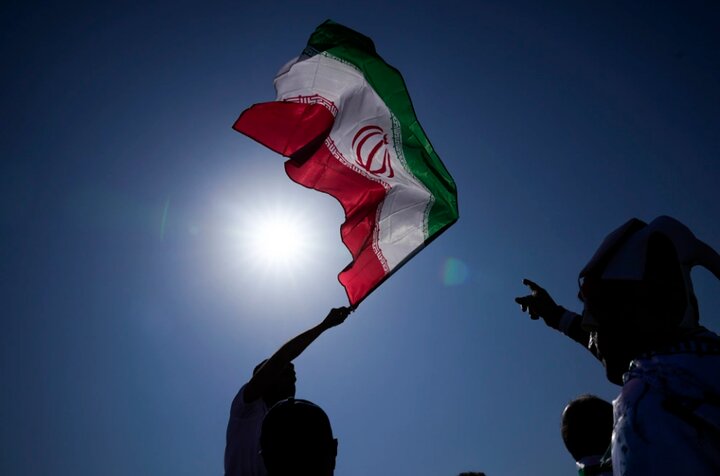
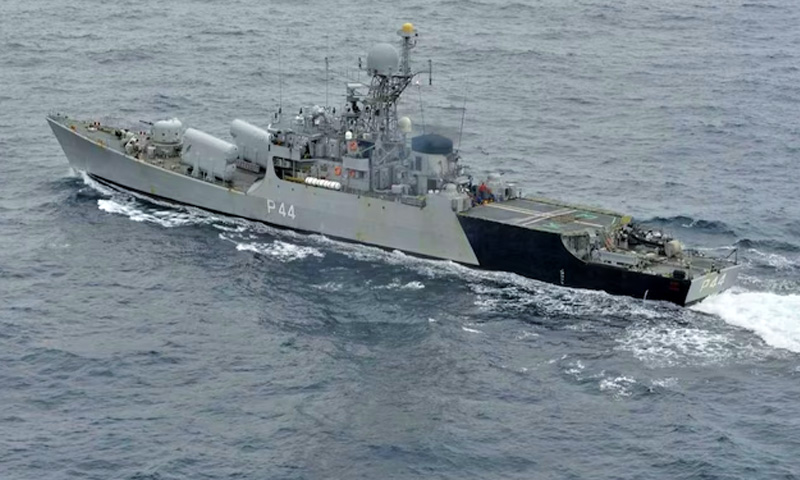
The incident began when a vessel carrying Iranian sailors was seized by the United States in waters near Singapore. The operation formed part of broader maritime enforcement activities reported in the region.
The Iranian sailors return home 2026 development followed several days of diplomatic communication between involved nations aimed at resolving the situation.
Location and Maritime Context
The seizure occurred in strategic waters around Southeast Asia, an area known for heavy international shipping traffic.
Key characteristics of the region include:
- High-density commercial shipping routes
- Strategic naval monitoring zones
- International maritime jurisdiction overlap
Initial Detention Conditions
According to diplomatic reports, the sailors were held under difficult conditions following the seizure.
These conditions were later addressed during negotiations that prioritized humanitarian concerns and safe repatriation.
Diplomatic Efforts Leading to Repatriation
The release of the sailors was achieved through coordinated diplomatic efforts involving multiple countries, including Pakistan, which played a mediating role.
The Iranian sailors return home 2026 outcome was described as the result of sustained negotiations between regional authorities.
Role of Pakistan in the Process
Pakistan played a key humanitarian and logistical role in the transfer process.
Its involvement included:
- Facilitating movement of sailors
- Supporting diplomatic communication
- Coordinating safe transit arrangements
Transfer Route and Logistics
The sailors were reportedly moved through a multi-stage process:
- Transfer from Singapore to Islamabad
- Temporary holding and coordination in Pakistan
- Final repatriation to Iran
This structured route helped ensure safe return under diplomatic supervision.
Details of the Maritime Seizure Operation
The vessel seizure was part of broader enforcement actions involving Iranian-linked maritime activity in Asian waters.
The Iranian sailors return home 2026 case is linked to ongoing geopolitical maritime monitoring operations.
Broader Enforcement Context
Reports indicate that the United States has conducted multiple interceptions of vessels in the region.
These operations are generally associated with:
- Enforcement of maritime restrictions
- Monitoring of sanctioned shipping routes
- Naval security operations in international waters
Related Vessel Interceptions
Earlier reports also noted additional maritime actions involving:
- Iranian-flagged tankers
- Multiple crew detentions
- Interceptions in Asian maritime zones
Repatriation of Crew Members Across Multiple Cases
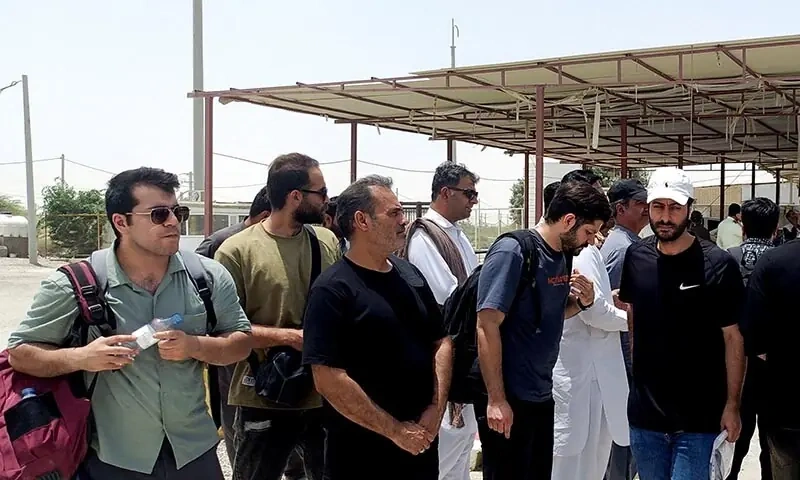
The return of the 20 Iranian sailors was part of a wider repatriation effort involving multiple nationalities.
Multi-National Crew Releases
In related operations, authorities reported the release of:
- 11 Pakistani nationals
- 20 Iranian nationals
- Additional seafarers from intercepted vessels
This indicates coordinated diplomatic handling of maritime detentions.
Coordination Between Countries
The repatriation process required collaboration among:
- Iran
- Pakistan
- United States (in enforcement actions)
- Regional transit authorities
Iran’s Response to the Sailors’ Return
Iranian officials confirmed the return of the sailors and acknowledged the diplomatic efforts that led to their release.
The Iranian sailors return home 2026 event was described as a successful humanitarian outcome following negotiations.
Statements From Diplomatic Representatives
Iran’s ambassador to Pakistan expressed appreciation for the role played in securing the sailors’ release.
The statement emphasized:
- Humanitarian cooperation
- Goodwill diplomacy
- Safe return of nationals
Focus on Humanitarian Conditions
Officials highlighted that the sailors had experienced difficult conditions prior to repatriation.
Their return was prioritized on humanitarian grounds after coordination between involved governments.
Ongoing Maritime Tensions in the Region
The incident reflects ongoing tensions in international waters involving enforcement actions and shipping regulations.
The Iranian sailors return home 2026 development is part of a broader pattern of maritime disputes in the region.
Naval Activity in Asian Waters
Recent months have seen:
- Increased naval interceptions
- Monitoring of commercial shipping
- Enforcement of maritime restrictions
Impact on International Shipping
Such incidents can affect:
- Shipping route planning
- Crew safety protocols
- International maritime diplomacy
Significance of Diplomatic Mediation
The resolution of the incident highlights the importance of diplomatic channels in resolving maritime disputes.
Role of Regional Cooperation
Countries involved demonstrated that:
- Communication can reduce tensions
- Humanitarian concerns are prioritized
- Transit mediation is possible
Importance of Safe Maritime Conduct
The case underscores the need for:
- Clear maritime regulations
- Safe handling of crew detentions
- International coordination
FAQ
Why were Iranian sailors detained near Singapore?
They were aboard a vessel seized by the United States during maritime enforcement operations in the region.
How did the Iranian sailors return home?
They were transferred through Singapore and Islamabad following diplomatic negotiations before returning to Iran.
Which country helped mediate the release?
Pakistan played a key role in facilitating humanitarian and diplomatic arrangements for the sailors’ return.
How many sailors were involved in the incident?
A total of 20 Iranian sailors were repatriated in this specific case.
The Iranian sailors return home 2026 development highlights the role of international diplomacy in resolving maritime detention cases. It also reflects ongoing geopolitical dynamics in Asian waters where enforcement actions and diplomatic negotiations continue to intersect.
Click here for more news