 0
0
 0
0
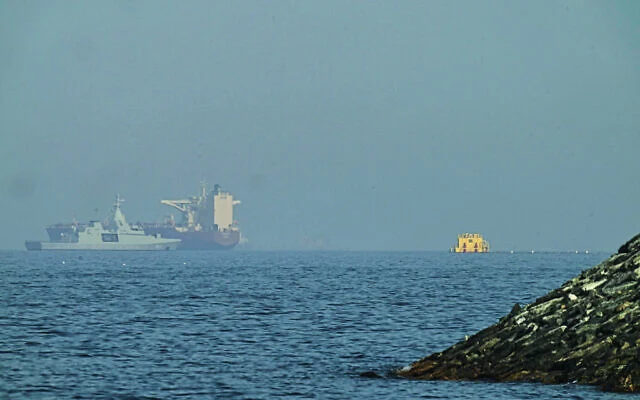
Hormuz tanker traffic recovery showed further signs of improvement last week as more commodity vessels crossed the Strait of Hormuz following severe wartime disruptions linked to tensions in the Middle East. Maritime tracking data revealed that vessel movements increased significantly compared to the previous week, offering cautious optimism for global shipping and energy markets.
The Strait of Hormuz remains one of the world’s most strategically important maritime trade routes, carrying a major share of global oil and gas shipments.
Tanker Traffic Through Hormuz Rises Sharply
The Hormuz tanker traffic recovery became more noticeable between May 11 and May 17 as shipping activity rebounded from a recent low.

Vessel Crossings Increase
According to maritime tracking firm Kpler:
- 55 commodity vessels crossed the strait last week
- The previous week recorded only 19 crossings
- The earlier figure was the lowest since the conflict escalation began in late February
The increase marks a major rebound in maritime activity.
Return to Wartime Average Levels
Despite the improvement, shipping levels remain below normal peacetime operations.
Kpler data showed:
- Around 663 vessels have crossed since March 1
- Weekly averages currently stand near 55 vessels
- Traffic remains affected by ongoing regional tensions
Iran Allows More Ships Through the Strait
The Hormuz tanker traffic recovery follows reports from Iranian officials indicating that more vessels were being allowed to transit the waterway.
Iranian Statements on Maritime Access
Iranian state media reported that:
- More than 30 ships were recently permitted passage
- Authorities eased restrictions compared to earlier weeks
- Traffic management policies continue under wartime conditions
New Oversight Measures Introduced
Iran also announced:
- A new body to oversee Strait of Hormuz operations
- Transit charges for ships crossing the waterway
- Expanded monitoring of maritime traffic
Oil Tankers Continue Crossing Key Trade Route
The Hormuz tanker traffic recovery includes renewed movement of crude oil and energy shipments.
Very Large Crude Carriers Return
Among vessels crossing last week were:
- Three very large crude carriers
- Tankers reportedly heading toward China, Oman, and Japan
Continued LPG and Bulk Cargo Traffic
Additional crossings included:
- 15 dry bulk cargo vessels
- 16 liquefied petroleum gas tankers
- One liquefied natural gas tanker carrying Qatari gas to Pakistan

LNG Shipments Remain Limited
While the Hormuz tanker traffic recovery has improved overall shipping numbers, liquefied natural gas traffic remains relatively low.
LNG Tanker Activity Since Conflict Began
Data shows:
- Only eight LNG tankers have crossed since the war began
- LNG traffic remains far below peacetime averages
Importance of the Strait for Global Energy
Under normal conditions, the Strait of Hormuz handles:
- Roughly 20 percent of global oil shipments
- Significant LNG exports
- Major fertilizer and commodity cargoes
Chinese-Linked Vessels Continue Crossing
The Hormuz tanker traffic recovery also reflects ongoing maritime trade involving Asian economies.
China and India Remain Major Destinations
Shipping data indicates that:
- China remains one of the leading destinations for cargoes
- India continues receiving commodity shipments through the route
- Other destinations include Pakistan, Thailand, Malaysia, and Brazil
Fewer Western Destinations Reported
Relatively few vessels listed Western countries as final destinations during recent crossings.
Wartime Shipping Conditions Still Affect Maritime Trade
The Hormuz tanker traffic recovery remains heavily influenced by geopolitical tensions and sanctions.
Iran Warns Traffic Will Not Fully Normalize
Iranian officials stated that:
- Shipping conditions may not return to pre-war levels
- Countries following US sanctions policies could face difficulties crossing
Strategic Importance of Hormuz
The Strait of Hormuz connects:
- The Persian Gulf to global markets
- Major oil-producing nations to international buyers
- Critical shipping lanes used by energy exporters
Ongoing US-Iran Tensions Continue to Shape Shipping
The Hormuz tanker traffic recovery is unfolding alongside broader diplomatic tensions.
Stalled Negotiations
Talks between Iran and the United States remain unresolved regarding:
- Maritime security
- Regional military tensions
- Sanctions enforcement
Global Market Concerns
Energy markets continue monitoring:
- Shipping disruptions
- Oil export stability
- Potential escalation risks in the region
FAQ Section
Why is Hormuz tanker traffic important?
The Strait of Hormuz is one of the world’s busiest energy shipping routes and handles major global oil and gas exports.
How many ships crossed the Strait of Hormuz last week?
Kpler data showed that 55 commodity vessels crossed the strait between May 11 and May 17.
Why did shipping traffic fall earlier?
Traffic declined sharply after conflict-related disruptions and security concerns in the Middle East.
Which countries are receiving shipments through Hormuz?
China, India, Pakistan, Oman, Japan, and several Asian countries remain key destinations for cargo passing through the strait.
Conclusion
The Hormuz tanker traffic recovery suggests cautious stabilization in one of the world’s most critical maritime corridors after weeks of severe disruption. Although vessel numbers have improved significantly from recent lows, ongoing geopolitical tensions and security concerns continue to shape shipping activity and global energy trade through the Strait of Hormuz.
PLEASE CLICK HERE FOR MORE NEWS