 0
0
 0
0
The Gaza aid flotilla intercepted by Israeli forces in the eastern Mediterranean has intensified international attention on ongoing efforts to deliver humanitarian assistance to Gaza. Organizers of the Global Sumud Flotilla said Israeli military vessels stopped 28 boats while dozens of other ships continued sailing toward the enclave.
The incident unfolded as activists from multiple countries attempted to challenge Israel’s naval blockade and deliver aid supplies to Gaza.
Global Sumud Flotilla Continues Mission Toward Gaza
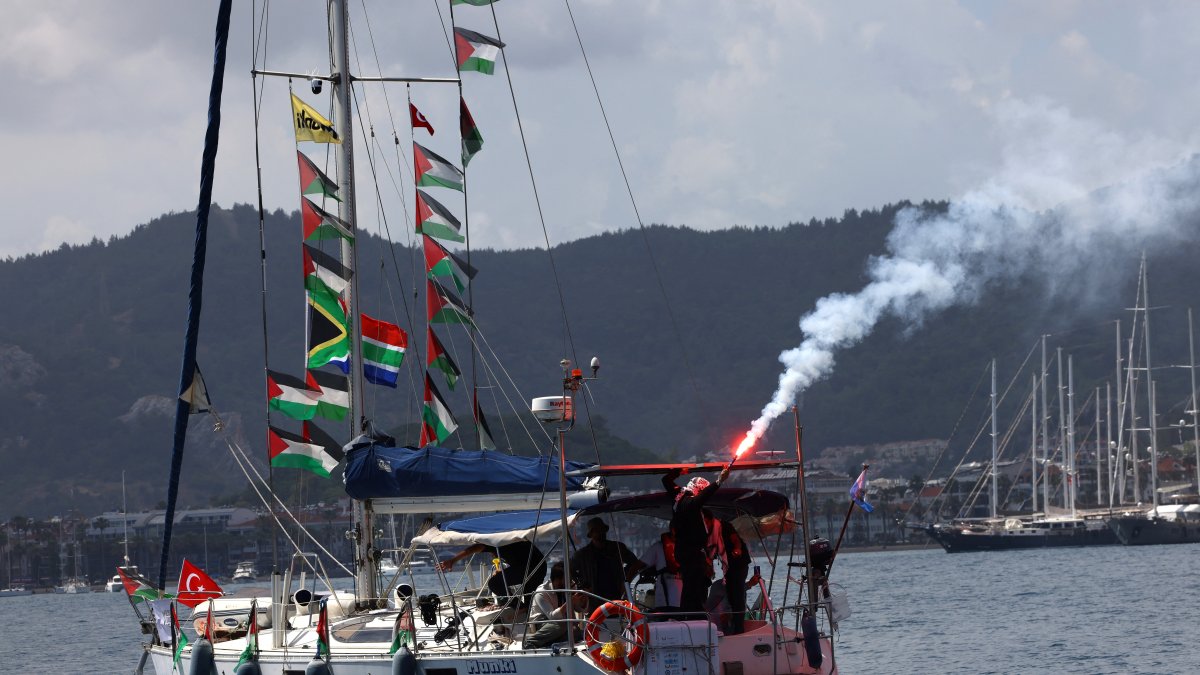
The Gaza aid flotilla intercepted incident began after the convoy departed from southern Türkiye earlier in May.
Fleet Composition and Participants
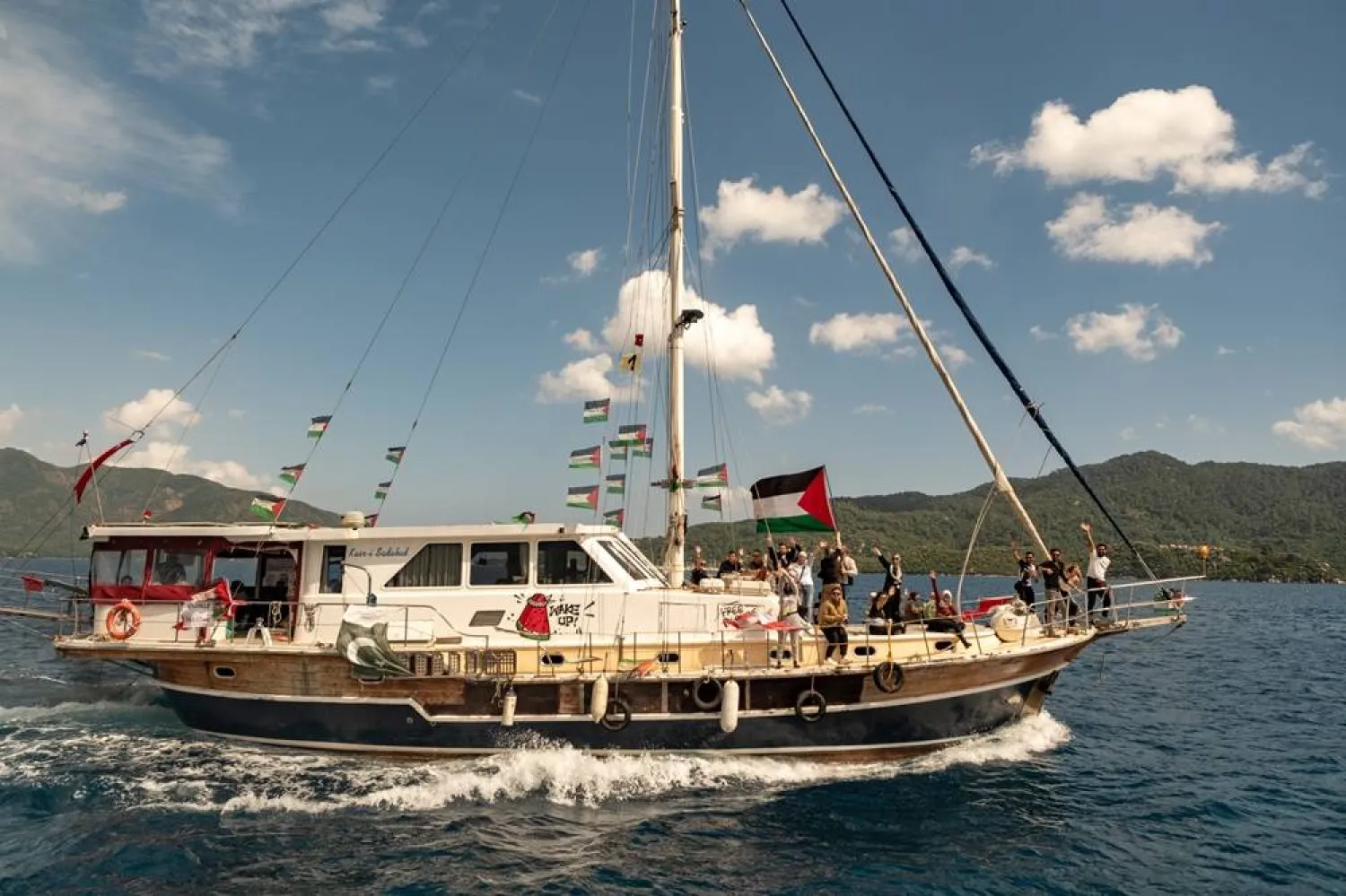
Organizers stated the flotilla consisted of:
- 54 vessels
- 426 participants
- Activists from 39 countries
The group said the mission was intended to deliver humanitarian aid and support civilians affected by the ongoing crisis in Gaza.

Departure From Türkiye
The convoy reportedly departed from Marmaris, Türkiye, on May 14.
This marked:
- The flotilla’s third attempt to reach Gaza
- Another effort following previous interceptions in international waters
- A continuation of humanitarian campaigns linked to pro-Palestinian groups
Israeli Forces Intercept 28 Boats
The Gaza aid flotilla intercepted operation escalated after military vessels approached the convoy in the Mediterranean Sea.
Organizers Report Boarding Operations
According to statements from the flotilla organizers:
- Israeli vessels surrounded parts of the convoy
- Forces boarded several boats
- Interceptions occurred in daylight hours
Live video footage shared online appeared to show military ships moving toward some flotilla vessels.
Remaining Ships Continue Sailing
Despite the interceptions:
- 26 boats reportedly remained operational
- Some vessels continued advancing toward Gaza
- Organizers demanded safe passage for remaining participants

Israel Reaffirms Gaza Naval Blockade
The Gaza aid flotilla intercepted event comes as Israel maintains its longstanding naval blockade around Gaza.
Israeli Foreign Ministry Statement
Israel’s foreign ministry said:
- It would not permit breaches of the blockade
- Participants should turn back immediately
- The flotilla represented what officials described as a provocation
Security Concerns and Maritime Restrictions
Israel has consistently argued that the blockade is intended to:
- Prevent weapons smuggling
- Restrict armed group activities
- Maintain maritime security controls around Gaza
Turkish Activists Voice Concern Over Detentions
Participants involved in the Gaza aid flotilla intercepted operation expressed concern about those already stopped by Israeli forces.
Activist Statements From Onboard Vessels
Turkish activist Ahmet Soylemez, speaking from one of the flotilla boats, said:
- Crews expected possible interception
- Concerns remained over detained participants
- Communication about seized vessels was limited
Turkish Nationals Among Participants
Organizers reported:
- 44 Turkish citizens were aboard intercepted boats
- The vessels were approximately 250 nautical miles from Gaza when stopped
Türkiye Condemns Israeli Intervention
The Gaza aid flotilla intercepted operation drew strong criticism from Türkiye.
Turkish Foreign Ministry Response
Türkiye described the interception as:
- A violation of maritime rights
- An act of piracy
- An unacceptable intervention against humanitarian efforts
The ministry also called for the immediate release of detained flotilla participants.
Diplomatic Coordination Efforts
Turkish authorities said they were:
- Coordinating with other governments
- Seeking the safe return of Turkish citizens
- Monitoring developments closely
Previous Gaza Aid Flotilla Attempts
The Gaza aid flotilla intercepted incident follows earlier attempts by similar groups to reach Gaza.
April 2026 Flotilla Interception
A previous flotilla reportedly:
- Departed from Spain on April 12
- Was intercepted by Israeli forces
- Led to activists being taken to Crete
Earlier Maritime Operations
Last year, another flotilla linked to the same organization was stopped by Israeli authorities.
That operation reportedly involved:
- More than 450 participants
- Swedish climate activist Greta Thunberg
- Multiple detentions
Humanitarian Situation in Gaza Remains Critical
The Gaza aid flotilla intercepted story comes amid continuing concerns over humanitarian conditions inside Gaza.
Displacement and Aid Challenges
International organizations say:
- Most of Gaza’s population has been displaced
- Many residents live in temporary shelters
- Food, medical, and infrastructure shortages continue
Israel Rejects Claims of Aid Restrictions
Israeli officials maintain that:
- Large quantities of aid have entered Gaza
- Medical and humanitarian supplies continue arriving
- The country is not withholding assistance
According to Israeli authorities, more than 1.58 million metric tons of aid have entered Gaza since October 2025.
International Attention on Mediterranean Aid Missions
The Gaza aid flotilla intercepted operation has sparked renewed international debate regarding:
- Humanitarian access to Gaza
- Maritime law and naval blockades
- Civilian activist missions in conflict zones
Observers expect further diplomatic discussions as remaining flotilla vessels continue their journey.
FAQ Section
What is the Global Sumud Flotilla?
The Global Sumud Flotilla is a convoy of aid vessels attempting to deliver humanitarian supplies to Gaza.
How many boats were intercepted by Israeli forces?
Organizers said Israeli forces intercepted 28 boats in the Mediterranean Sea.
Are some flotilla ships still heading toward Gaza?
Yes, organizers reported that 26 vessels continued sailing toward Gaza after the interceptions.
Why does Israel enforce a naval blockade on Gaza?
Israel says the blockade is intended to prevent weapons smuggling and maintain regional security.
Conclusion
The Gaza aid flotilla intercepted by Israeli forces has added another chapter to ongoing tensions surrounding humanitarian access to Gaza. While some vessels were stopped in the Mediterranean, remaining boats continue their mission as international attention focuses on the legal, humanitarian, and political implications of the operation.
PLEASE CLICK HERE FOR MORE NEWS