 0
0
 0
0
The discussion around an EU conversion therapy ban has taken a new direction after the European Commission confirmed it will not pursue a single, bloc-wide law banning so-called conversion practices across all 27 member states. Instead, the EU is encouraging individual countries to implement their own national prohibitions.
This approach has triggered mixed reactions across political groups, human rights organizations, and advocacy networks. While supporters see it as a practical shortcut, critics argue it weakens the push for unified protection across Europe.
The EU conversion therapy ban debate now centers on whether fragmented national laws can effectively protect LGBTQI+ individuals or whether a unified legal framework is still necessary.
EU’s Strategic Shift Away from Central Legislation
The European Commission stated that a unified law could take too long to negotiate and enforce, making national recommendations a faster alternative.
Why unanimity posed a challenge
- EU-wide legislation requires unanimous agreement from all member states
- Some governments remain opposed to LGBTQI+ protections
- Legal negotiations could take over a decade
Faster national implementation strategy
Officials argue that:
- Individual countries can legislate more quickly
- Policies can be adapted to local legal systems
- Immediate protections can be introduced without EU-wide delays
This shift has redefined the EU conversion therapy ban conversation from a centralized legal reform to a decentralized policy push.
What Conversion Therapy Means and Why It Is Controversial
Conversion therapy refers to practices aimed at changing or suppressing a person’s sexual orientation or gender identity. Human rights groups widely condemn these practices as harmful and scientifically unsupported.
Harmful methods linked to conversion practices
Reported techniques may include:
- Physical and psychological abuse
- Forced “spiritual” interventions such as exorcisms
- Hormonal treatments without medical justification
- Electric shock treatments in extreme reported cases
- Coercive counseling or isolation programs
International human rights concerns
United Nations experts have repeatedly called for a global ban, describing these practices as:
- Discriminatory
- Degrading
- Violations of physical and psychological integrity
Within this context, the EU conversion therapy ban discussion is seen as part of a wider global human rights debate.
Countries Leading With National Conversion Therapy Bans
Even without a unified EU law, several member states have already introduced or are advancing bans on conversion practices.
European nations with existing bans or restrictions
Countries reported to have taken action include:
- France
- Germany
- Spain
- Belgium
- Portugal
- Malta
- Greece
- Iceland (not EU member but aligned in policy direction)
Differences in legal scope
National laws vary widely:
- Some ban all forms of conversion therapy outright
- Others prohibit practices on minors only
- A few include criminal penalties for offenders
This variation highlights why a single EU conversion therapy ban has been difficult to standardize.
EU Recommendation Strategy Explained
Instead of binding legislation, the European Commission is now encouraging governments to adopt national bans through policy recommendations.
Statement from EU officials
The EU equality leadership explained that achieving unanimity among member states would have been difficult and time-consuming. Officials suggested that waiting for full consensus could delay action for years.

Key reasoning behind the approach
- Legal complexity of EU-wide social policy
- Political differences among member states
- Urgency of protecting affected communities
- Flexibility for faster national adoption
Focus on practical implementation
Rather than focusing on long legislative negotiations, the EU is prioritizing:
- Awareness campaigns
- Policy guidance to governments
- Support for existing national initiatives
This marks a strategic shift in how the EU conversion therapy ban issue is being addressed.
Campaigners and Public Reaction to the Decision
The decision has generated strong responses from advocacy groups and public figures across Europe.
Supporters calling for stronger EU action
Human rights organizations argue that:
- A unified law would provide equal protection across all member states
- National laws alone may leave gaps in enforcement
- Cross-border consistency is needed for long-term protection
Public mobilization and petitions
Recent campaigns have shown strong public support, including:
- Over one million signatures calling for an EU-wide ban
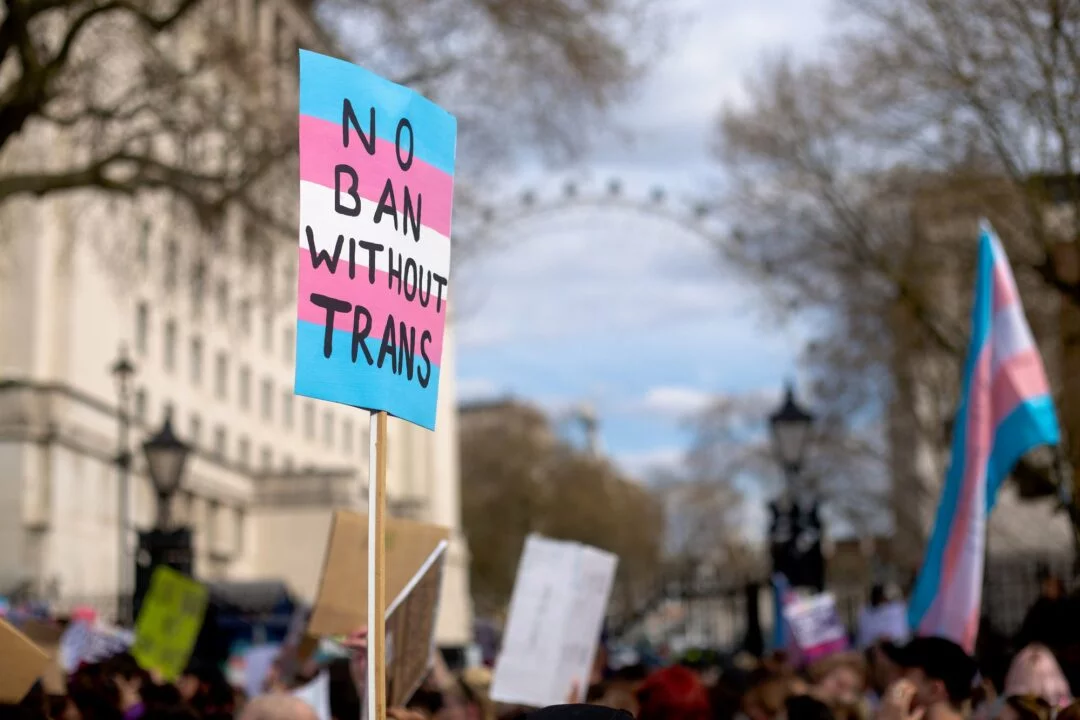
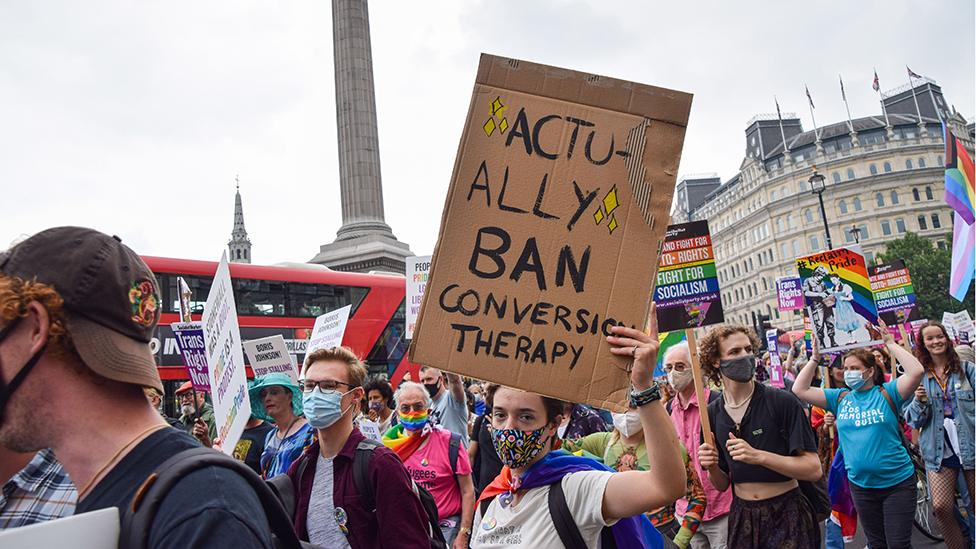
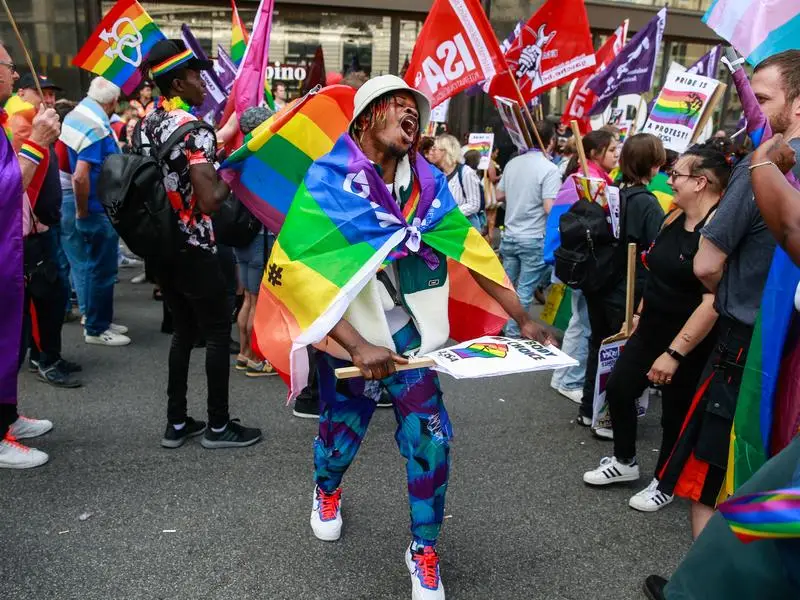
- Demonstrations in several European capitals
- Support from artists and public figures
Voices from public figures
Some well-known personalities and political leaders have described conversion practices as harmful and medically unscientific, urging stronger legal measures.
The debate over the EU conversion therapy ban continues to highlight the gap between public advocacy and legislative outcomes.
Ethical and Policy Challenges Across Europe
The EU’s decision also reflects broader tensions in human rights policymaking across the region.
Key policy challenges
- Differing cultural and political views on LGBTQI+ rights
- Legal sovereignty of member states
- Enforcement mechanisms across borders
Ongoing concerns
Critics warn that without a unified framework:
- Protection levels may remain inconsistent
- Vulnerable individuals could face unequal legal safeguards
- Enforcement may vary significantly between countries
Despite these concerns, supporters of the current approach believe national laws remain the most realistic path forward for now.
Future Outlook for EU Conversion Therapy Regulation
The future of the EU conversion therapy ban debate will likely depend on how quickly member states adopt national laws and whether momentum builds for a future unified framework.
Possible developments ahead
- More EU countries introducing bans in the coming years
- Expansion of existing laws to cover broader protections
- Continued pressure from civil society groups
- Potential revisiting of EU-wide legislation in the future
Long-term policy direction
While immediate bloc-wide legislation has been ruled out, the issue remains active within EU human rights discussions. The trajectory suggests gradual alignment rather than immediate harmonization.
FAQ – EU Conversion Therapy Ban
Why did the EU decide not to introduce a bloc-wide conversion therapy ban?
The EU stated that unanimous agreement among all member states would be required, which could take many years. Instead, it prefers faster national-level bans.
Which countries have already banned conversion therapy in Europe?
Several countries including France, Germany, Spain, Belgium, Portugal, Malta, and Greece have introduced partial or full bans, though laws differ by scope.
What is conversion therapy and why is it controversial?
Conversion therapy refers to practices aimed at changing sexual orientation or gender identity. It is widely condemned as harmful and unscientific by human rights organizations.
Can the EU still introduce a future conversion therapy ban?
Yes. While a bloc-wide law is not currently planned, future legislation could be reconsidered if political consensus improves across member states.
Conclusion
The decision to step away from a unified legislative approach marks a significant turning point in the EU conversion therapy ban debate. While the European Commission believes national recommendations offer a faster route to action, critics continue to call for stronger, centralized protection to ensure consistency across all member states.
As more countries move toward national bans, the long-term effectiveness of this decentralized approach will likely shape future discussions on EU human rights policy and LGBTQI+ protections.
Click here for more news