 0
0
 0
0
The hantavirus outbreak Atlantic cruise ship incident has resulted in three confirmed deaths, with several additional suspected cases under investigation, raising global health concerns.
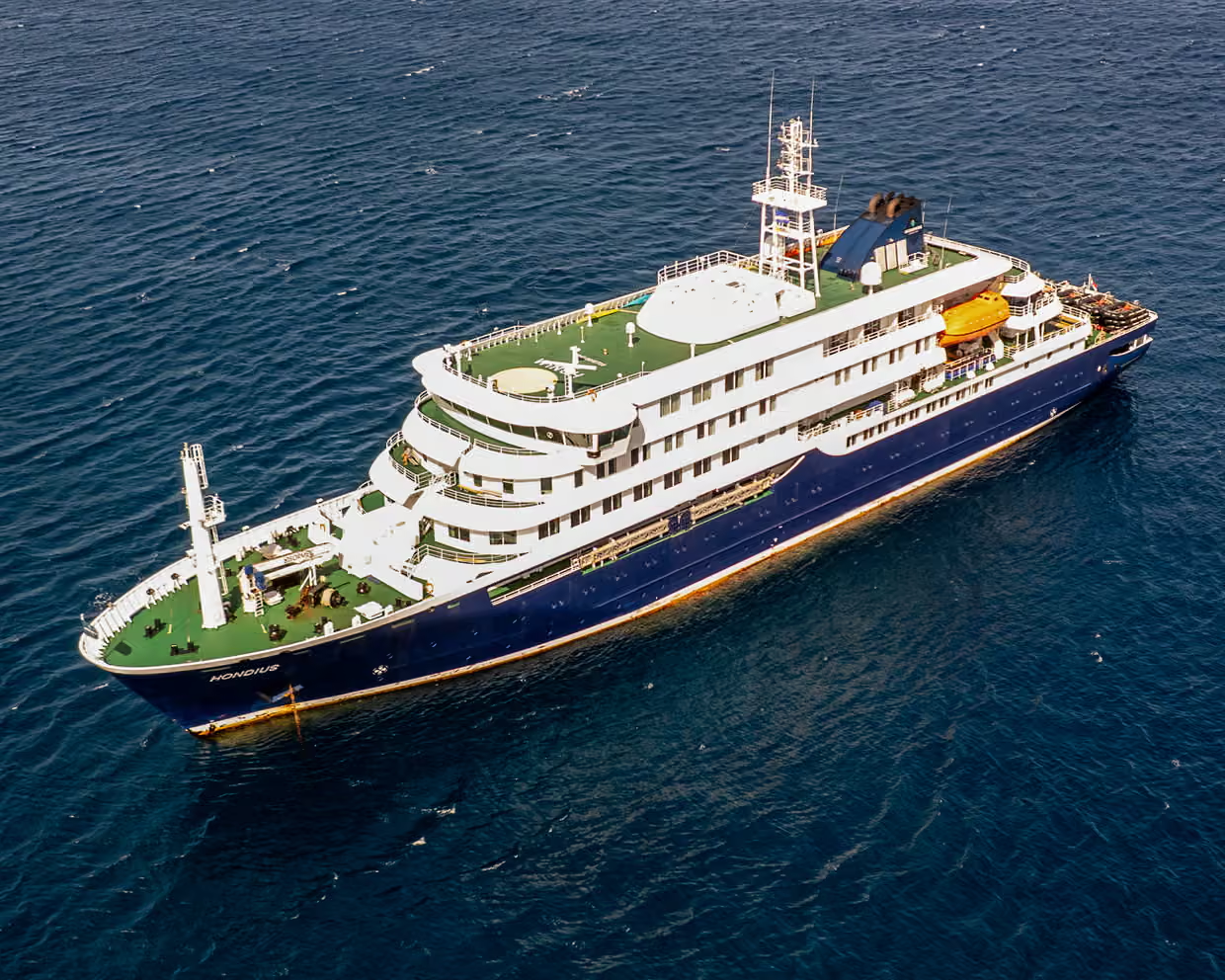
The outbreak occurred aboard the MV Hondius, a polar cruise vessel traveling across the Atlantic Ocean. Health authorities, including the World Health Organization (WHO), are now coordinating efforts to manage the situation and assess potential risks.
Three Fatalities Reported on Board
At least three individuals have died in connection with the hantavirus outbreak Atlantic cruise ship situation. Health officials confirmed that one case has been verified, while five others remain under investigation.
Timeline of the Fatal Cases
Initial reports indicate that:
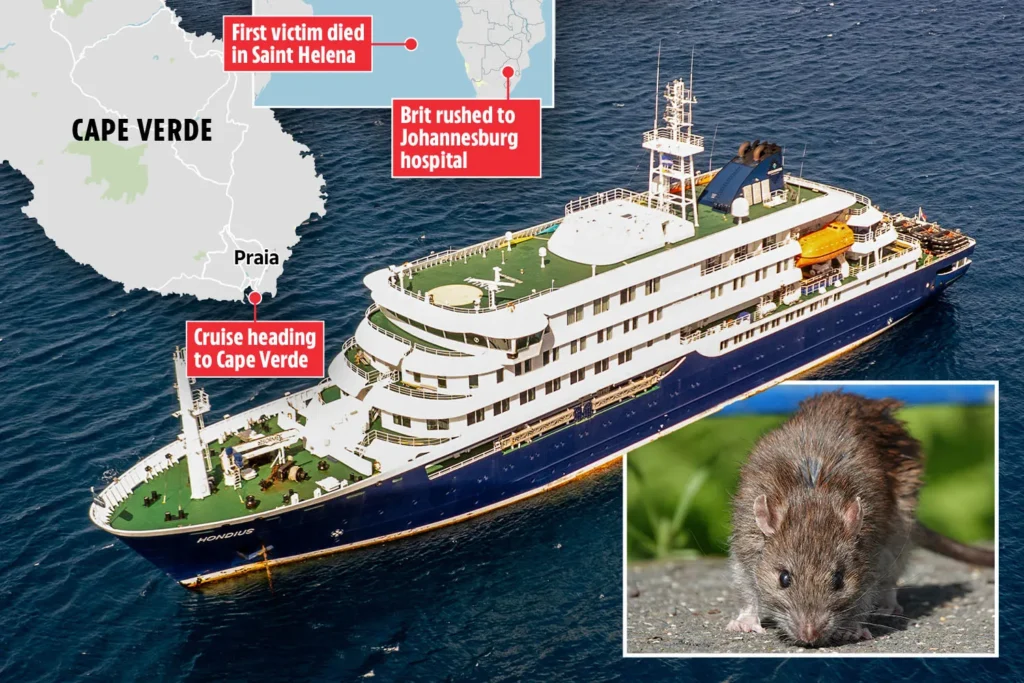
- The first victim was a 70-year-old passenger who developed symptoms during the voyage and died onboard
- His body was later transferred to Saint Helena, a British territory in the South Atlantic
- His 69-year-old wife also became ill and was evacuated to South Africa, where she later died in a hospital in Johannesburg
- A third fatality was reported onboard, with further details still being assessed
Nationalities and Medical Response
Reports suggest that the first two victims were a Dutch couple. Medical teams onboard and onshore have been working to provide urgent care to affected passengers.
One British national, aged 69, is currently in intensive care in Johannesburg.
WHO and Health Authorities Respond
The World Health Organization has stepped in to coordinate the international response to the hantavirus outbreak Atlantic cruise ship case.
Emergency Measures in Place
Authorities are focusing on:
- Medical evacuation of symptomatic passengers
- Monitoring and testing of suspected cases
- Conducting a full public health risk assessment
- Supporting passengers and crew still onboard
The WHO is working closely with multiple countries involved in the ship’s journey.
UK Government Monitoring Situation
The United Kingdom’s Foreign Office has confirmed it is monitoring developments closely and is prepared to assist affected British nationals if necessary.
About Hantavirus and Its Risks
Hantavirus is a rare but potentially severe virus that can lead to serious illness in humans.
How Hantavirus Spreads
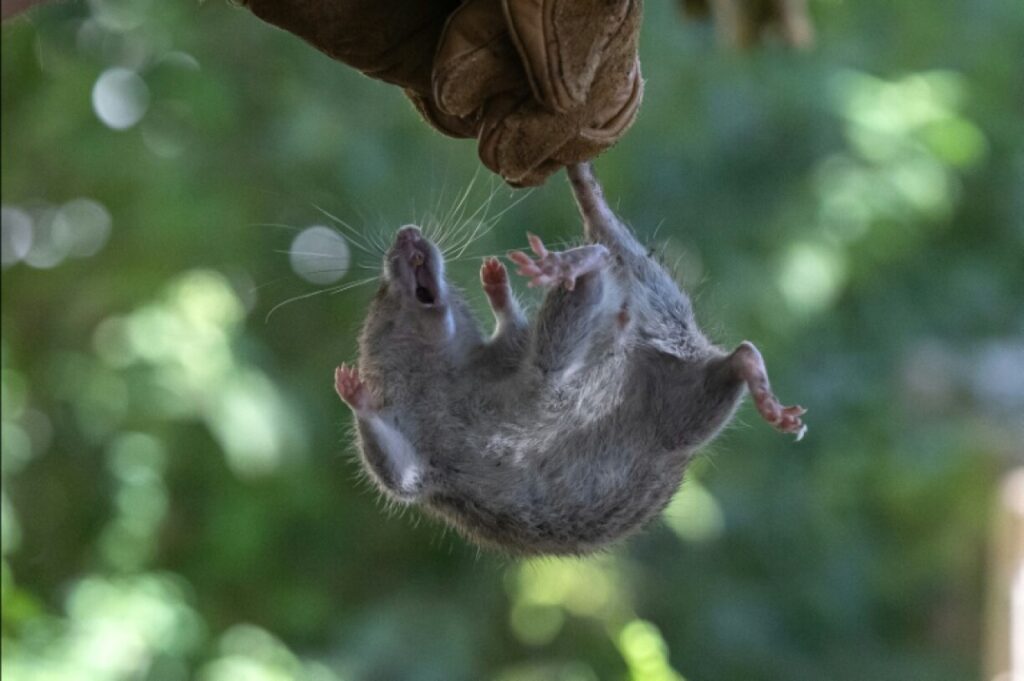
The virus is primarily transmitted through contact with infected rodents. Common exposure routes include:
- Inhalation of particles from rodent urine or droppings
- Direct contact with contaminated surfaces
Human-to-human transmission is extremely rare but has been documented in limited cases.
Symptoms and Health Impact
Hantavirus infection can lead to:
- Severe respiratory distress
- Fever and muscle aches
- Fatigue and headaches
In more serious cases, it can develop into hantavirus pulmonary syndrome, which can be life-threatening.
Details About the MV Hondius Voyage
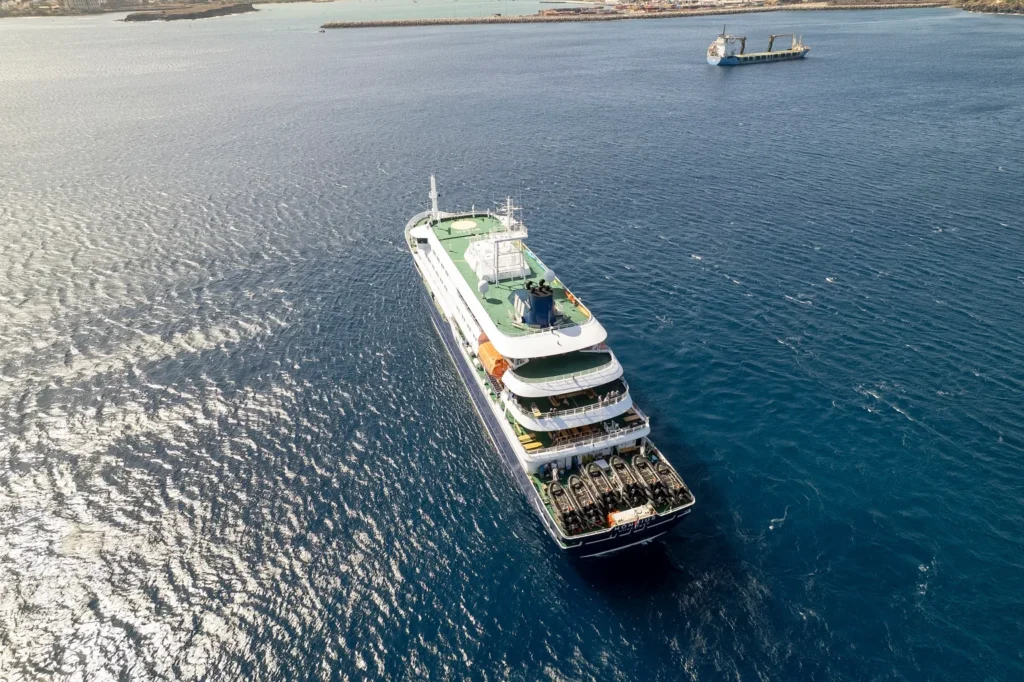
The hantavirus outbreak Atlantic cruise ship incident took place aboard the MV Hondius, operated by Oceanwide Expeditions.
Ship Specifications and Capacity
The vessel is described as:
- A 107.6-meter polar cruise ship
- Capacity for 170 passengers across 80 cabins
- Staffed by 57 crew members, 13 guides, and one onboard doctor
Travel Route and Itinerary
According to available information:
- The ship departed from Ushuaia, Argentina, on March 20
- It was scheduled to arrive in Cape Verde on May 4
- The voyage spans several regions across the South Atlantic
The ship’s route has complicated emergency response efforts due to its remote location during the outbreak.
Ongoing Investigations and Next Steps
Authorities are continuing to assess the full scope of the hantavirus outbreak Atlantic cruise ship situation.
Possible Isolation and Medical Transfers
Discussions are ongoing regarding:
- Isolating additional suspected cases in Cape Verde
- Further medical evacuations if needed
- Monitoring all passengers for symptoms
Planned Route Adjustments
Reports suggest the ship may continue its journey toward the Canary Islands after addressing immediate health concerns.
Health officials remain focused on containing the outbreak and preventing further spread.
FAQ Section
What caused the hantavirus outbreak Atlantic cruise ship incident?
The outbreak is believed to be linked to hantavirus, which is typically spread through contact with infected rodents.
How many people have died in the outbreak?
Three deaths have been reported, with additional suspected cases still under investigation.
Is hantavirus contagious between humans?
Human-to-human transmission is rare, but it can occur in limited circumstances depending on the strain.
What is being done to control the outbreak?
Health authorities are conducting evacuations, monitoring cases, and performing a full risk assessment to manage the situation.
Conclusion
The hantavirus outbreak Atlantic cruise ship incident highlights the challenges of managing infectious diseases in isolated environments such as sea voyages. With international health authorities actively involved, efforts are ongoing to contain the situation, support affected individuals, and prevent further cases. The outcome of these measures will be closely watched as investigations continue.
PLEASE CLICK HERE FOR MORE NEWS