 0
0
 0
0
The case of Shler Mamqaderi cancer treatment Urmia prison has drawn attention after reports that a Kurdish woman suffering from cancer is being held without access to essential medical care. Her continued detention has raised serious concerns about her health and safety.
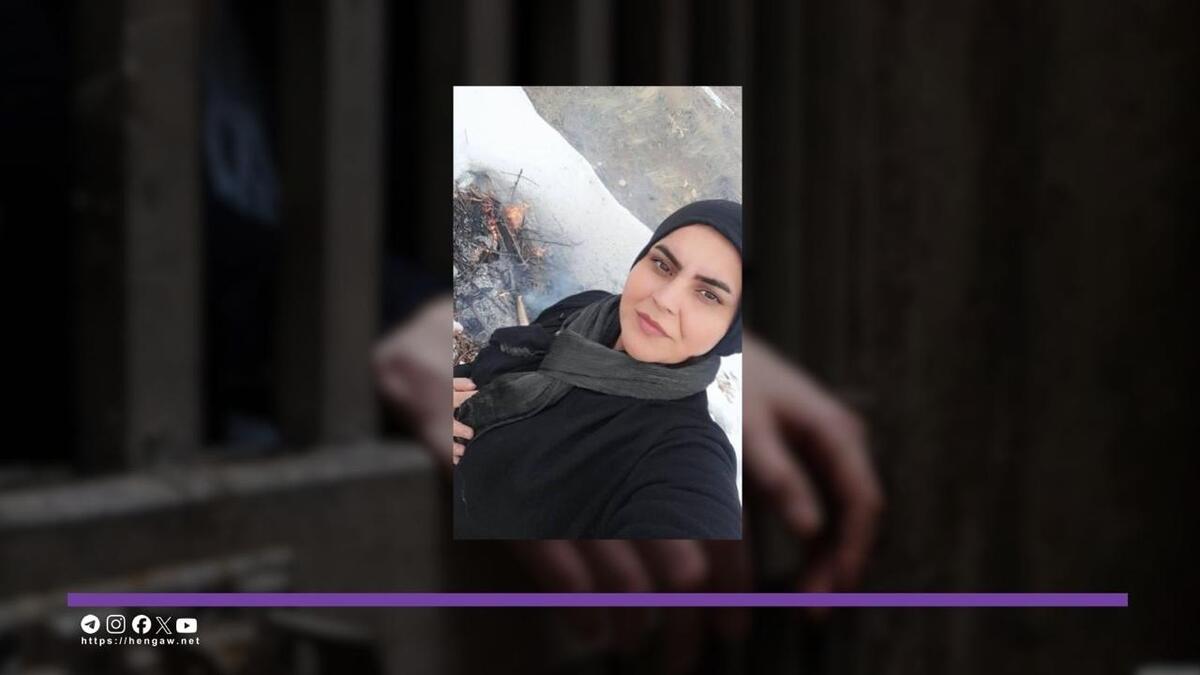
Detention of Shler Mamqaderi in Urmia Prison
Shler Mamqaderi, a Kurdish woman from Mahabad, has reportedly been detained since April 8, 2026. She is currently being held in the quarantine ward of Urmia Central Prison.
According to available information, she has remained in custody for nearly three weeks without receiving the medical attention she requires.
Background of Her Arrest
Mamqaderi was arrested on a Wednesday in early April. Details surrounding the reason for her detention have not been fully disclosed.
Since her arrest:
- She has been placed in the women’s quarantine ward
- Her contact with the outside world has been limited
- Her legal situation remains unclear
Her case is now part of growing concerns over detainee welfare in the region.
Brief Contact With Family
During her detention, Mamqaderi reportedly managed to make a short phone call to her family.
In the call, she confirmed:
- She is still being held in prison
- She has not been released or transferred
- Her condition remains uncertain
This limited communication has heightened anxiety among her relatives.
Health Condition and Interrupted Cancer Treatment
The Shler Mamqaderi cancer treatment Urmia prison situation is particularly alarming due to her ongoing medical condition.
Ongoing Cancer Treatment Before Arrest
Before her detention, Mamqaderi was undergoing a critical phase of cancer treatment.
This phase typically requires:
- Regular medical supervision
- Timely administration of medication
- Access to specialist care
Interruptions at this stage can significantly affect treatment outcomes.
Lack of Medical Care in Detention
Since being held in Urmia Central Prison, Mamqaderi has reportedly been denied access to:
- Essential medication
- Oncology specialists
- Routine health monitoring
She has now spent approximately 19 days without proper treatment, raising serious concerns about her health.
Risks Associated With Treatment Delay
Medical experts generally warn that delays in cancer treatment can lead to:
- Progression of the disease
- Reduced effectiveness of therapy
- Increased risk of complications
In detention settings, these risks may be further amplified due to limited healthcare resources.
Concerns Raised by Human Rights Groups
The Shler Mamqaderi cancer treatment Urmia prison case has prompted reactions from human rights organizations.
Statements From Hengaw Organization
The Hengaw Organization for Human Rights has expressed deep concern over her condition.
According to the group:
- Her continued detention without treatment poses a serious risk to her life
- Denial of medical care may violate fundamental human rights
- The situation requires urgent attention
The organization has called for immediate action to address her medical needs.
Allegations of Rights Violations
Human rights observers have raised concerns that:
- Denial of healthcare to detainees may breach international standards
- Access to medical care is a basic right, regardless of detention status
- Prolonged deprivation of treatment can have severe consequences
These concerns have intensified scrutiny on detention conditions.
Conditions Inside Urmia Central Prison
The situation also highlights broader issues related to prison conditions and healthcare access.
Quarantine Ward Environment
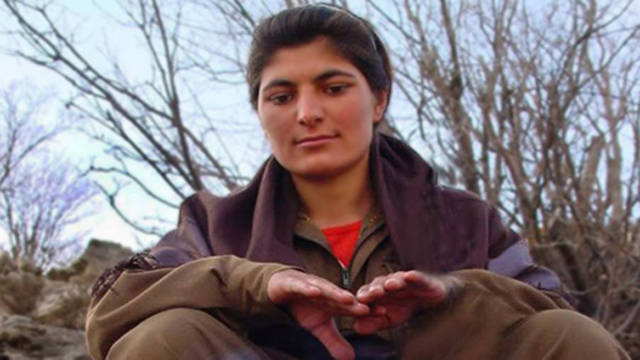
Mamqaderi is reportedly being held in the quarantine section of the women’s ward.
Such areas are typically used for:
- Newly detained individuals
- Health monitoring
- Isolation procedures
However, access to specialized medical care in these sections may be limited.
Challenges in Prison Healthcare Systems
Prisons in many regions face challenges in providing adequate healthcare, including:
- Shortage of medical staff
- Limited access to specialists
- Delays in treatment approval
These factors can affect detainees with serious medical conditions.
Broader Context of Detainee Health Rights
The Shler Mamqaderi cancer treatment Urmia prison case reflects a wider global issue regarding detainee health rights.
International Standards on Medical Care
International human rights frameworks generally emphasize that:
- Prisoners should receive healthcare equivalent to that available in the community
- Medical treatment should not be delayed or denied
- Authorities are responsible for detainee well-being
These standards are widely recognized but not always consistently implemented.
Importance of Timely Medical Intervention
Timely access to medical care is essential, especially for individuals with chronic or life-threatening conditions.
Without it:
- Health conditions can deteriorate rapidly
- Recovery chances may decrease
- Long-term complications may arise
This underscores the urgency of addressing such cases promptly.
Growing Attention to the Case
As information about the Shler Mamqaderi cancer treatment Urmia prison situation spreads, attention continues to grow.
Public and Advocacy Response
Human rights groups and observers are closely monitoring developments.
Key concerns include:
- Her immediate health status
- Access to proper medical treatment
- Legal clarity regarding her detention
Need for Transparency
Calls have been made for greater transparency regarding:
- The reasons for her arrest
- Her current medical condition
- Steps being taken to address her health needs
Transparency is often seen as essential in ensuring accountability.
FAQ
Who is Shler Mamqaderi and why is she in prison?
Shler Mamqaderi is a Kurdish woman from Mahabad who was arrested in April 2026. Details about the reason for her detention have not been publicly clarified.
What medical condition does Shler Mamqaderi have?
She was undergoing treatment for cancer before her arrest and is reportedly in a critical phase requiring continuous care.
Why is her case raising concern?
Her reported lack of access to essential medical treatment while in detention has raised serious concerns about her health and human rights.
What actions are being requested in her case?
Human rights organizations are calling for immediate access to medical care and greater transparency regarding her detention.
Conclusion
The Shler Mamqaderi cancer treatment Urmia prison case highlights urgent concerns about detainee health and access to medical care. With her condition reportedly deteriorating due to lack of treatment, the situation underscores the importance of ensuring that individuals in custody receive necessary healthcare. Ongoing attention to her case reflects broader concerns about human rights and prison conditions.
Click here for more news