 0
0
 0
0
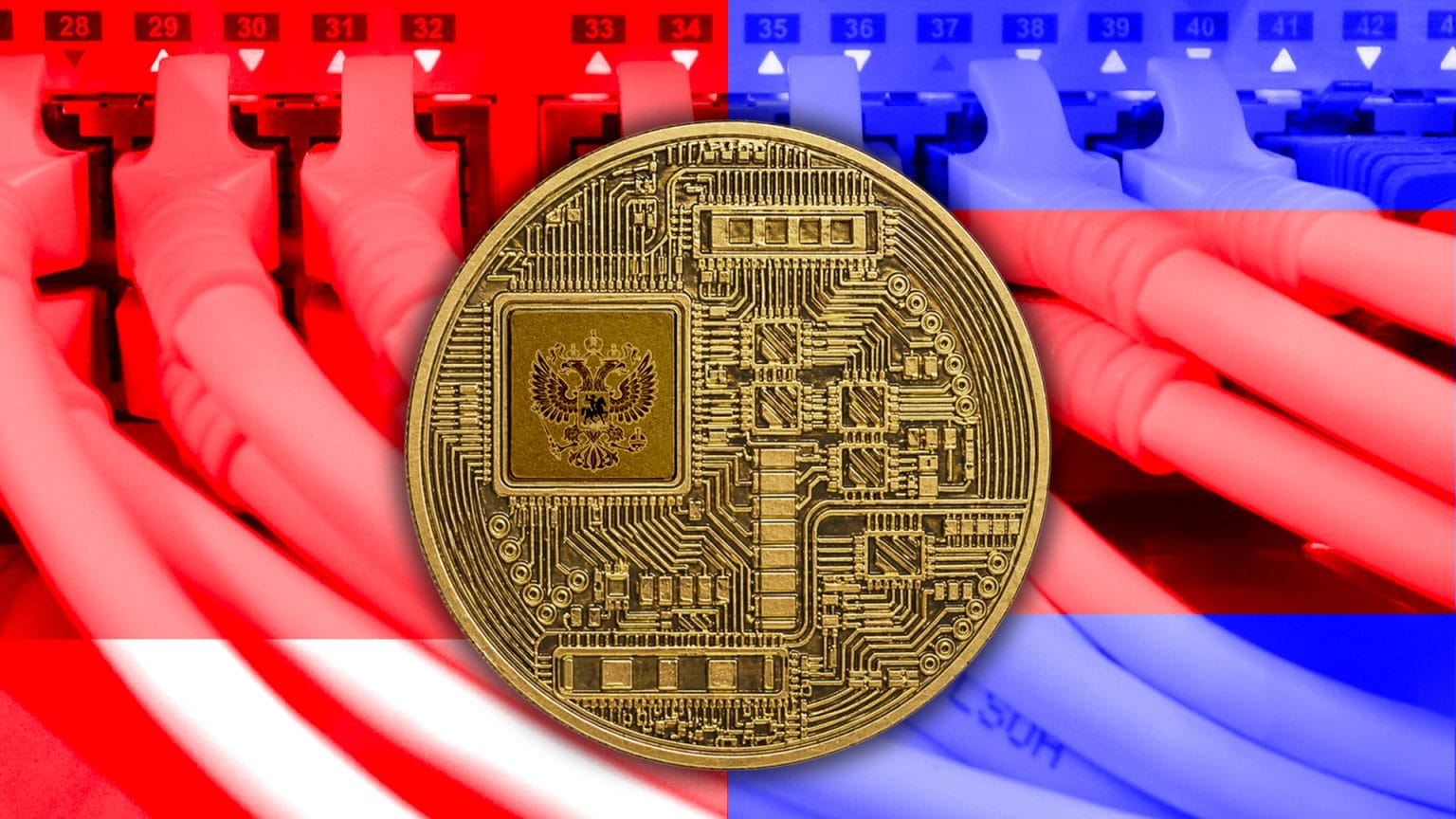
The Russia crypto sanctions Europe debate has intensified as analysts warn that Russia’s expanding cryptocurrency ecosystem is becoming increasingly central to its ability to withstand Western economic pressure. Four years after sweeping sanctions were imposed following the full-scale invasion of Ukraine, questions are emerging about whether those measures are still effective in a rapidly evolving digital financial landscape.
While early sanctions were described as strong and coordinated, experts now argue that gaps in enforcement—particularly in digital finance—are weakening their long-term impact.
Western Sanctions and Their Evolving Effectiveness
When sanctions were first introduced in 2022, they were widely seen as one of the most coordinated financial responses in modern history. They targeted Russian banks, government institutions, state-owned enterprises, and wealthy individuals linked to the Kremlin.
H3: Initial impact of sanctions
At the start, the sanctions achieved several key outcomes:
- Freezing of Russian-owned assets in Western banks
- Restriction of international financial transactions
- Pressure on elite-linked wealth structures
However, over time, the effectiveness of these measures has become less consistent, especially as Russia adapts to alternative financial channels.
H3: Declining enforcement strength
Observers note that sanctions are now less effective due to:
- Political disagreements within Western alliances
- Changes in global energy prices affecting Russia’s revenue
- Expansion of digital and decentralized financial systems
The Russia crypto sanctions Europe issue highlights how enforcement challenges are evolving beyond traditional banking systems.
Crypto as a Growing Sanctions Evasion Tool
One of the most significant concerns raised by analysts is the increasing use of cryptocurrency networks to bypass restrictions.
H3: How crypto supports financial movement
Cryptocurrency platforms allow:
- Cross-border transactions without traditional banking oversight
- Faster movement of funds through decentralized systems
- Reduced visibility for regulatory authorities
These features make digital assets attractive for sanctions evasion strategies.
H3: Role of stablecoins and exchanges
Reports suggest that Russia-linked networks have used:
- Stablecoins tied to foreign currencies
- Offshore or loosely regulated exchanges
- Messaging platforms to coordinate transactions
The Russia crypto sanctions Europe discussion increasingly focuses on how these tools are reshaping global financial enforcement.
Emerging Networks and Security Concerns
Recent developments show that crypto platforms linked to Russia are facing increased disruption and scrutiny.
H3: Closure and disruption of exchanges
Some Russia-linked exchanges have reportedly been shut down or suspended following enforcement pressure or cyber incidents. These disruptions include:
- Operational suspensions due to cyberattacks
- Loss of digital assets during security breaches
- Reduced trading activity in certain crypto tokens
Such incidents highlight vulnerabilities within the ecosystem.
H3: Cybersecurity and hacktivist involvement
Security analysts suggest that:
- Some disruptions may be linked to hacktivist activity
- Cyber operations could be influencing crypto stability
- Digital financial systems remain exposed to external interference
This adds another layer of complexity to the Russia crypto sanctions Europe debate.
Europe’s Strategic Challenge in Crypto Regulation
European policymakers are increasingly being urged to rethink their approach to sanctions enforcement in the digital era.
H3: Difficulty of regulating decentralized systems
Unlike traditional banking, cryptocurrency systems are:
- Highly decentralized
- Often cross-border by design
- Difficult to fully monitor or control
This makes enforcement significantly more complex for regulators.
H3: Need for coordinated policy action
Experts argue that Europe may need:
- Unified crypto regulatory frameworks across member states
- Stronger monitoring of digital asset flows
- Cooperation with global blockchain analytics firms
Without coordination, enforcement gaps may continue to grow.
Political Factors Affecting Sanctions Policy
The effectiveness of sanctions is also shaped by shifting political dynamics in both Europe and the United States.
H3: Diverging international priorities
Several political factors are influencing the situation:
- Changes in leadership priorities in Western countries
- Divergent views on Ukraine-related policy
- Economic pressures linked to global energy markets
These factors contribute to inconsistent enforcement strategies.
H3: Impact on long-term sanctions strategy
The ongoing uncertainty raises questions about:
- Whether sanctions should remain static or evolve
- How digital finance should be integrated into enforcement
- What long-term goals sanctions are intended to achieve
The Russia crypto sanctions Europe issue reflects these broader strategic debates.
The Role of Frozen Russian Assets
A significant portion of Russian assets remains frozen in Western financial institutions.
H3: Potential policy options
Policy discussions have included several possible approaches:
- Maintaining asset freezes as long-term leverage
- Investigating ownership structures more deeply
- Considering conditional release mechanisms
Each option carries political and legal implications.
H3: Strategic leverage in negotiations
Frozen assets could potentially be used as:
- Diplomatic leverage in future negotiations
- Incentives for compliance or policy shifts
- Financial pressure tools against sanctioned entities
This remains a sensitive and unresolved policy area.
Influence of Crypto Lobbying and Regulation Debates
Another layer in the broader discussion is the growing influence of cryptocurrency firms in global policy debates.
H3: Push for regulatory clarity
Crypto companies continue to advocate for:
- Clearer legal frameworks
- Reduced regulatory uncertainty
- Broader acceptance of digital asset systems
These lobbying efforts intersect with sanctions enforcement discussions.
H3: Concerns over financial transparency
Critics argue that:
- Excessive influence could weaken oversight
- Regulatory gaps may be exploited for illicit activity
- Transparency standards may vary across jurisdictions
This complicates the Russia crypto sanctions Europe enforcement environment.
Broader Implications for Global Financial Security
The situation highlights a larger transformation in global finance and security policy.
H3: Digital finance reshaping enforcement
Cryptocurrency has introduced:
- New pathways for cross-border transactions
- Challenges for traditional regulatory systems
- Increased demand for technological oversight tools
H3: Future direction of sanctions policy
Moving forward, experts suggest that sanctions may need to:
- Incorporate blockchain tracking technologies
- Adapt to decentralized financial ecosystems
- Focus more on network disruption strategies
This reflects a shift from traditional enforcement to digital-era financial control.
FAQ
Why is Europe being urged to act on Russia’s crypto ecosystem?
Europe is being urged to act because cryptocurrency networks are increasingly used to bypass traditional sanctions and move funds across borders.
How does crypto help Russia avoid sanctions?
Crypto enables decentralized, cross-border transactions that are harder to track through conventional banking systems.
What challenges does Europe face in regulating crypto?
The main challenges include decentralization, cross-border operations, and limited unified regulatory frameworks.
Are sanctions against Russia still effective?
Sanctions remain impactful but are increasingly challenged by digital finance systems and inconsistent international enforcement.
Conclusion
The Russia crypto sanctions Europe debate highlights a major shift in global financial enforcement. While traditional sanctions have had significant impact, the rise of decentralized crypto systems presents new challenges that require coordinated international responses. As digital finance continues to evolve, Europe’s ability to adapt its regulatory and enforcement strategies will play a crucial role in shaping the effectiveness of future sanctions regimes.
Click here for more news