 0
0
 0
0
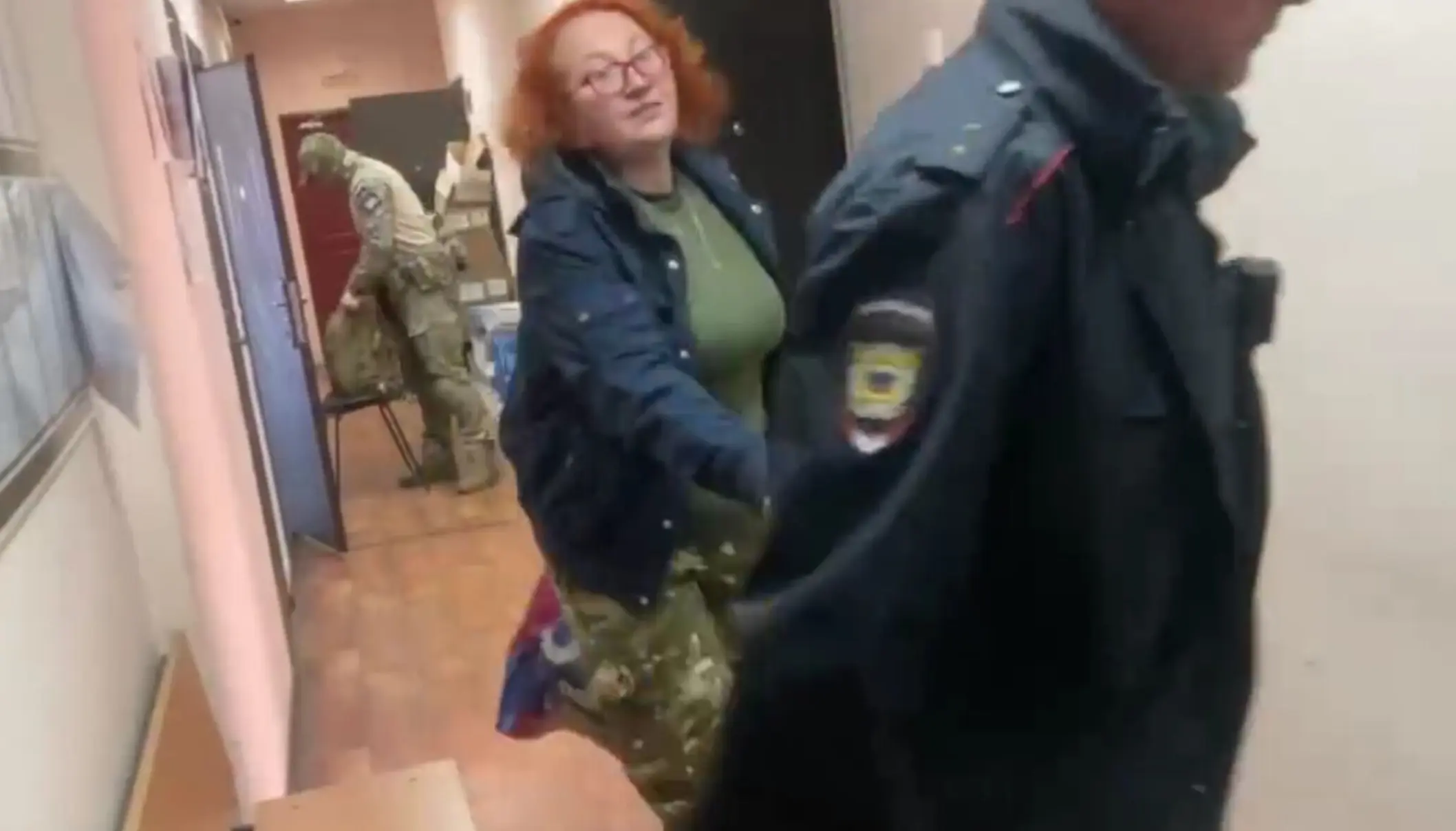
The Citizens of USSR movement prison case has drawn attention after Russian authorities opened a criminal investigation against a 52-year-old woman accused of participating in an extremist organisation. If convicted, she could face up to six years in prison under Russian law.
The case reflects a broader pattern of prosecutions linked to the controversial movement, which has been banned in Russia since 2022 and continues to be a subject of legal enforcement across multiple regions.
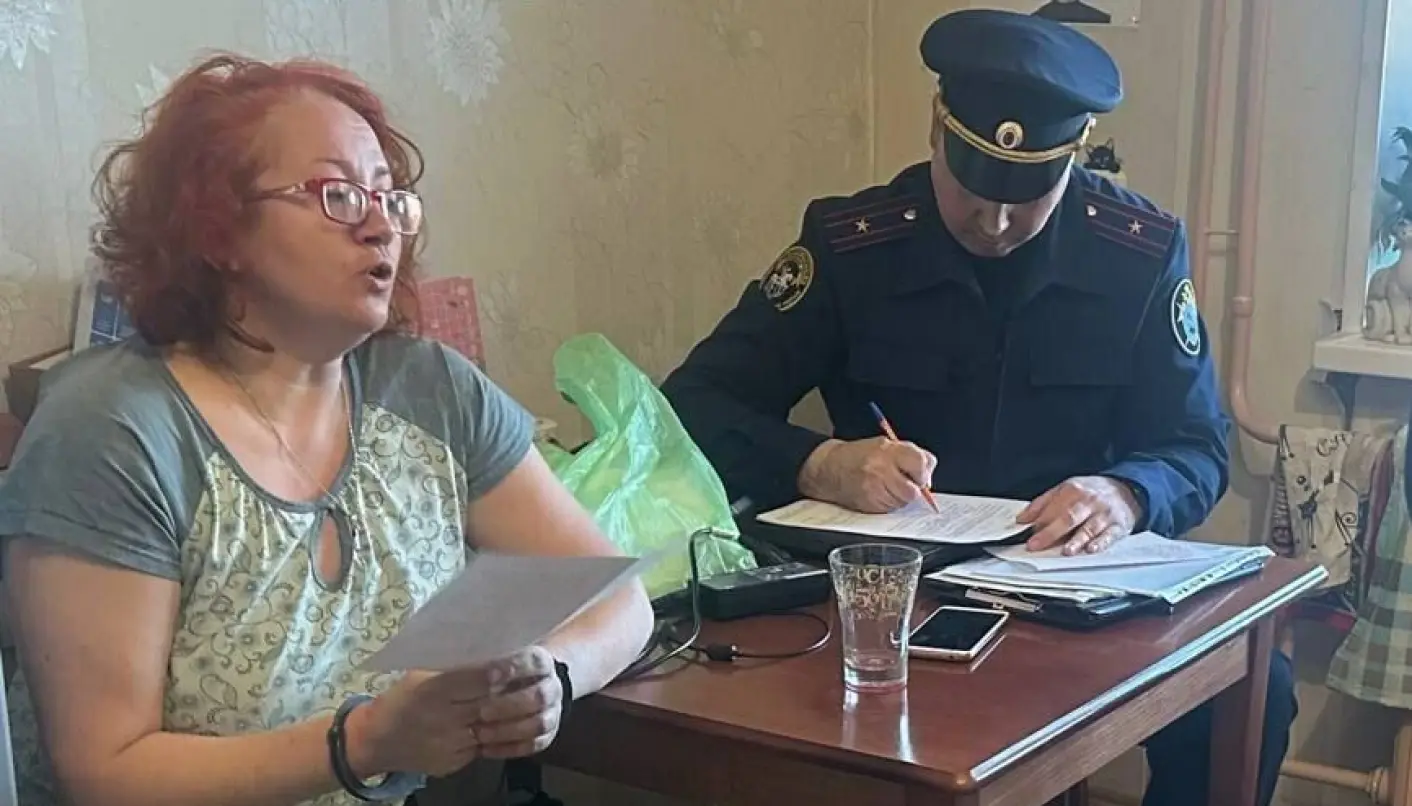
Criminal Case Opened in Arkhangelsk Region
Authorities in Russia confirmed that a case has been launched against a resident of Koryazhma in the Arkhangelsk region.
Allegations Against the Suspect
Investigators claim that between 2022 and 2026, the woman:
- Participated in activities linked to a banned extremist organisation
- Promoted its ideology during meetings and online discussions
- Encouraged others to support its views
The Citizens of USSR movement prison case centers on alleged ideological promotion and participation in what authorities describe as unlawful activity.
Possible Sentence
If found guilty, the suspect could face:
- Up to six years in prison
- Additional penalties depending on court findings
Officials have stated that the case is being handled under Russia’s anti-extremism legislation.
What Authorities Say About the Investigation
The Investigative Committee of Russia has publicly outlined its position on the case.
Official Statement
According to investigators:
- The suspect actively supported the movement
- She shared its ideology within her local community
- She also engaged in online dissemination of related content
These claims form the legal basis of the Citizens of USSR movement prison case currently under review.
Evidence Reported by Officials
Authorities and pro-government sources have also referenced materials allegedly found during the investigation, including:
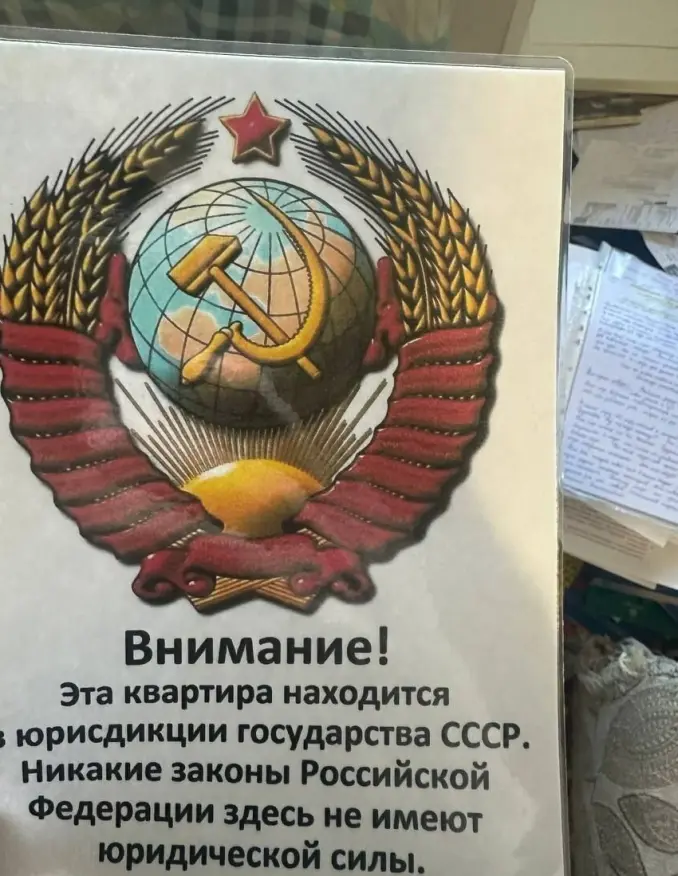
- Printed posters referencing Soviet-era jurisdiction claims
- Handwritten or illustrated materials linked to the ideology
- Digital content shared through online platforms
Background of the Suspect
Before this criminal case, the woman had reportedly been involved in other legal disputes connected to activism.
Previous Administrative Cases
Reports indicate she had earlier faced penalties related to environmental activism. These included:
- Detention during protests related to waste landfill plans
- Overnight police custody
- Allegations of repeated searches during detention
- A sentence involving compulsory labor
These earlier incidents are separate from the current Citizens of USSR movement prison case but are part of her broader legal history.
Understanding the “Citizens of the USSR” Movement
The movement at the center of the case is not a formal political party but an informal ideological network.
Core Beliefs of the Movement
Supporters of the movement generally believe that:
- The Soviet Union still legally exists
- The Russian Federation lacks legitimate authority
- Russian state institutions are not valid
Because of these beliefs, followers often reject:
- Government-issued passports
- Court rulings and legal systems
- Administrative regulations
Legal Status in Russia
In 2022, Russian authorities officially classified the movement as extremist. This decision was based on a regional court ruling and led to:
- Nationwide legal restrictions
- Increased surveillance of suspected members
- Criminal prosecutions across multiple regions
The Citizens of USSR movement prison case is one of several arising from this classification.
Pattern of Legal Prosecutions
The case is not isolated. Similar prosecutions have been recorded across Russia in recent years.
Previous Sentencing Trends
Court records and human rights monitoring groups have documented multiple cases, including:
- Prison sentences ranging from 2 to over 6 years
- Multiple defendants in single trials
- Convictions across several regions
Regional Distribution of Cases
Reported cases have appeared in:
- Bryansk region
- Samara region
- Sverdlovsk region (Yekaterinburg)
- Dagestan and Khakassia
- Kemerovo and Altai regions
- Rostov region
These cases show the broad geographic spread of enforcement linked to the Citizens of USSR movement prison case trend.
Human Rights Monitoring and Concerns
Human rights organizations have tracked these prosecutions over time.
Documented Findings
Monitoring groups have reported:
- Dozens of criminal cases since the movement was banned
- Early prosecutions dating back to 2020
- Increasing frequency of convictions after 2022
Legal and Civil Debate
The cases have sparked debate over:
- Freedom of belief versus state security laws
- Interpretation of extremism laws
- Proportionality of sentencing
Broader Context of Extremism Laws in Russia
The case is part of a wider legal framework used by Russian authorities to regulate extremist activity.
Enforcement Approach
Authorities typically focus on:
- Ideological groups deemed a threat to state authority
- Online dissemination of banned content
- Organised networks operating across regions
Impact on Individuals
People accused under these laws may face:
- Criminal prosecution
- Travel restrictions
- Surveillance or repeated questioning
The Citizens of USSR movement prison case reflects how these laws are applied in practice.
FAQ Section
What is the Citizens of the USSR movement?
It is an informal group that believes the Soviet Union still legally exists and rejects the legitimacy of the Russian Federation.
Why is the woman facing prison in this case?
She is accused of participating in and promoting the ideology of a banned extremist organisation.
How long could she be sentenced to?
If convicted, she could face up to six years in prison under Russian extremism laws.
Is this the first case of its kind?
No, similar cases involving alleged members of the movement have been reported across multiple Russian regions.
Conclusion
The Citizens of USSR movement prison case highlights ongoing legal action in Russia against individuals linked to the banned movement. With authorities continuing to pursue similar cases nationwide, the situation reflects broader enforcement of extremism laws and their impact on ideological groups. The outcome of this case will add to a growing body of legal precedents surrounding the movement.
Click here for more news