 0
0
 0
0
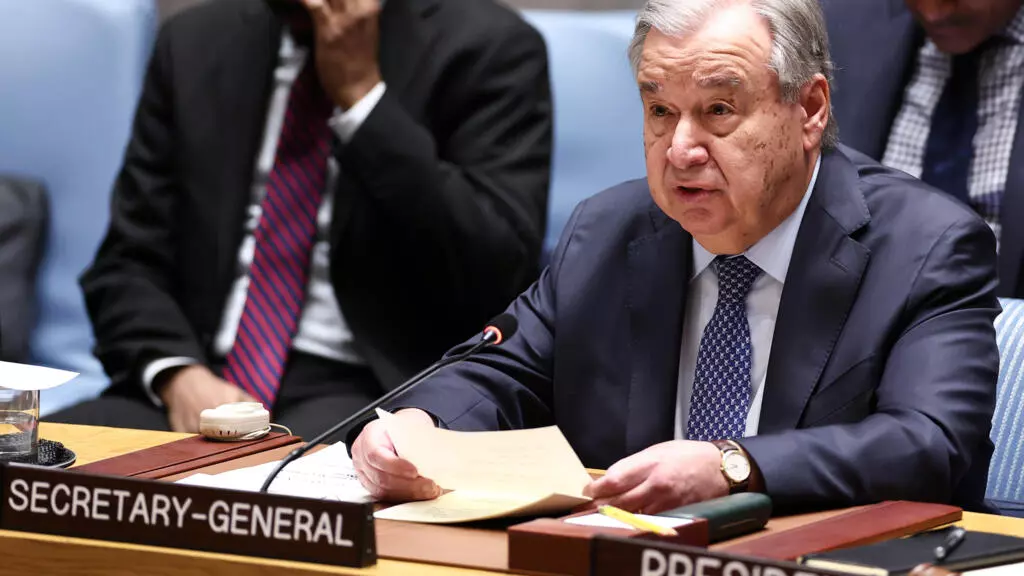
US Iran civilian attacks 2026 have drawn severe criticism from the United Nations. Tom Fletcher, UN Under-Secretary-General for Humanitarian Affairs, called out US President Donald Trump for targeting bridges, schools, and other civilian infrastructure. Fletcher stated that such acts could constitute war crimes under international law.
“War is not a game show; peace making is not a real estate deal; the world is not a casino,” Fletcher emphasized, highlighting the devastating impact on ordinary Iranians.
Details of the US Military Operations
Bridges and Power Infrastructure Targeted
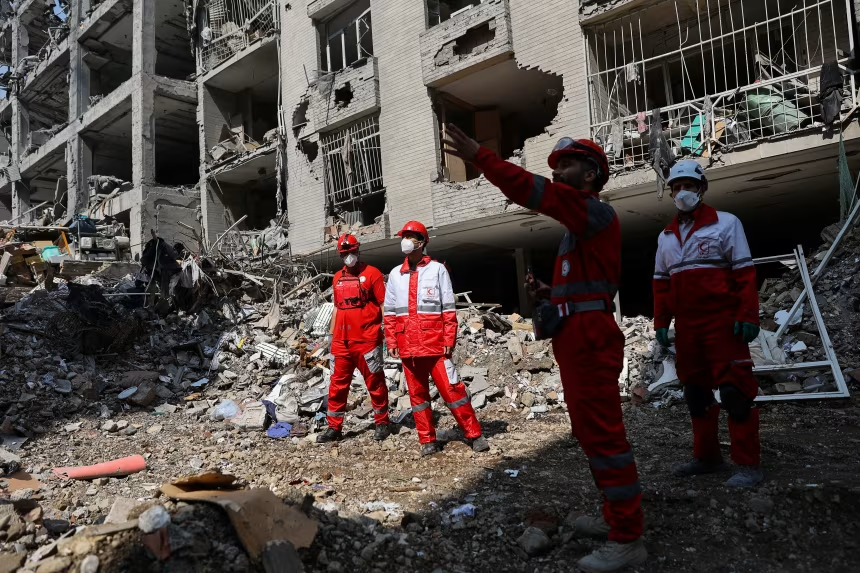
US strikes in Iran have focused on bridges and energy installations, allegedly to pressure Iranian leadership. President Trump posted on Truth Social that additional attacks on power plants and other infrastructure are planned unless Iran meets US demands.
Civilian Casualties and Humanitarian Impact
Reports indicate that civilian areas, including schools and hospitals, have suffered collateral damage. Fletcher warned that the ongoing conflict has created a severe humanitarian crisis, forcing UN aid workers to respond to widespread displacement and destruction.
International Legal Response
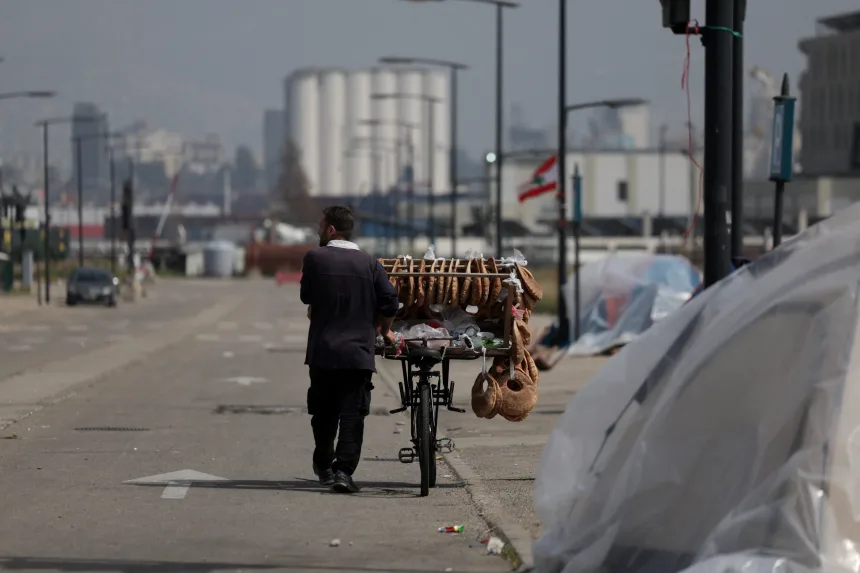
Over 100 experts in international law signed an open letter condemning the US for potential violations of the United Nations Charter. The experts highlighted that attacks on civilian infrastructure without UN authorization breach international norms.
Key Legal Points Raised
- Attacks on schools, hospitals, and bridges may constitute war crimes if conducted recklessly.
- The open letter includes former US officials and international law scholars.
- Both US conduct and rhetoric, including threats to “bomb Iran back to the Stone Ages,” were criticized as alarming.
Global Diplomatic Reactions
UK and Allied Stance
UK Foreign Secretary Yvette Cooper called for immediate reopening of the Strait of Hormuz, emphasizing the global economic threat posed by Iran’s blockade. Cooper also signaled that sanctions could be extended if Iran continued to restrict access to the maritime trade route.
US-UK Tensions
President Trump criticized the UK’s reluctance to participate in offensive actions, mocking the Royal Navy’s aircraft carriers. The White House defended the operations, claiming the strikes are in the interest of regional stability and US security.
Potential Escalation Risks
The conflict risks further escalation in the Middle East, impacting global oil and gas markets. Fletcher stressed that protecting civilians must remain a top priority to prevent catastrophic humanitarian consequences.
Humanitarian Priorities
- Immediate aid delivery to affected civilians.
- Restoration of damaged infrastructure to resume daily life.
- International oversight to ensure adherence to laws of armed conflict.
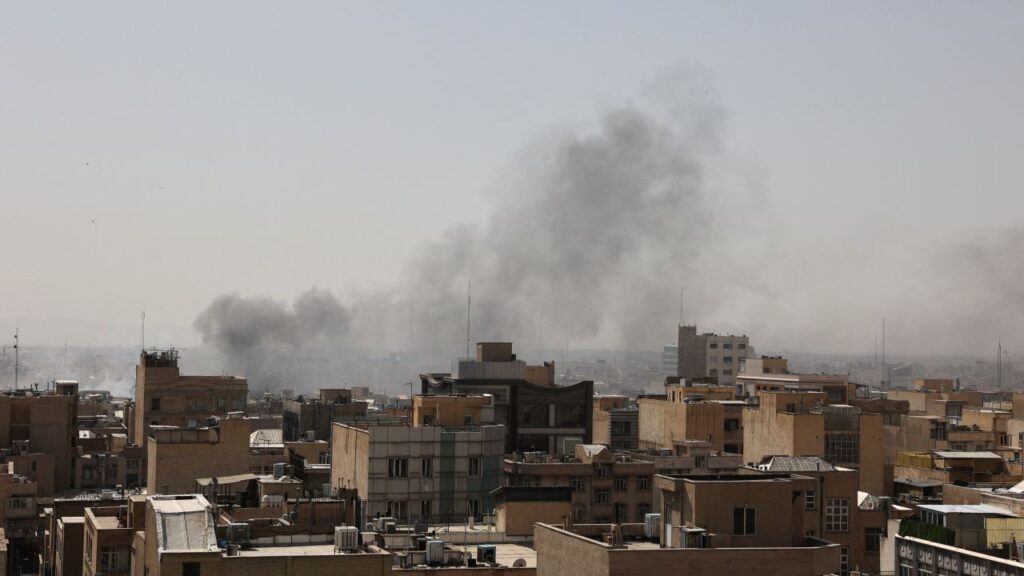
US military strikes on Iran civilian infrastructure
Statements from UN and Experts
Fletcher highlighted that impunity and indifference in war decisions endanger both civilians and global stability. He reiterated that adherence to international humanitarian law is non-negotiable, calling for a de-escalation of the conflict.
Timeline of Events
- Early 2026: US conducts strikes on Iranian bridges and power plants.
- March-April 2026: UN and international law experts issue warnings.
- April 2026: UK leads diplomatic initiative to reopen Strait of Hormuz and prevent further escalation.
Regional and Global Impact
US Iran civilian attacks 2026 have caused immediate disruptions in the energy market and raised concerns about a wider regional conflict. Analysts suggest that ongoing strikes could further destabilize the Middle East if not carefully managed.
Economic Implications
- Surge in oil and gas prices globally.
- Disruption of maritime trade through the Strait of Hormuz.
- Potential increase in regional security costs for allied nations.
Calls for Immediate Action
UN officials and legal experts urge an immediate cessation of attacks on civilian targets, while advocating for diplomatic resolutions. The international community stresses coordinated efforts to ensure safety and legal accountability.
Recommended Measures
- Halt attacks on civilian infrastructure.
- Facilitate humanitarian aid access to affected areas.
- Engage in multilateral diplomacy to resolve the conflict peacefully.
FAQ Section
Q1: What constitutes a war crime in US Iran civilian attacks 2026?
A1: Attacks on civilian infrastructure such as schools, hospitals, and energy installations without justification or reckless conduct can be classified as war crimes under international law.
Q2: How is the UN responding to US Iran civilian attacks 2026?
A2: The UN is condemning the strikes, coordinating humanitarian aid, and urging compliance with international law to protect civilians.
Q3: What are the global economic impacts of US Iran civilian attacks 2026?
A3: The conflict has disrupted oil and gas supplies, affecting global markets and creating uncertainty in energy-dependent economies.
Q4: How are international experts advising on the conflict?
A4: Over 100 experts have called for a halt to attacks on civilians, adherence to the UN Charter, and diplomatic measures to resolve tensions peacefully.
Conclusion
US Iran civilian attacks 2026 have drawn widespread condemnation for their humanitarian and legal implications. The UN, international experts, and global leaders emphasize de-escalation, protection of civilians, and diplomatic engagement to prevent further regional instability.
PLEASE CLICK HERE FOR MORE NEWS