 0
0
 0
0
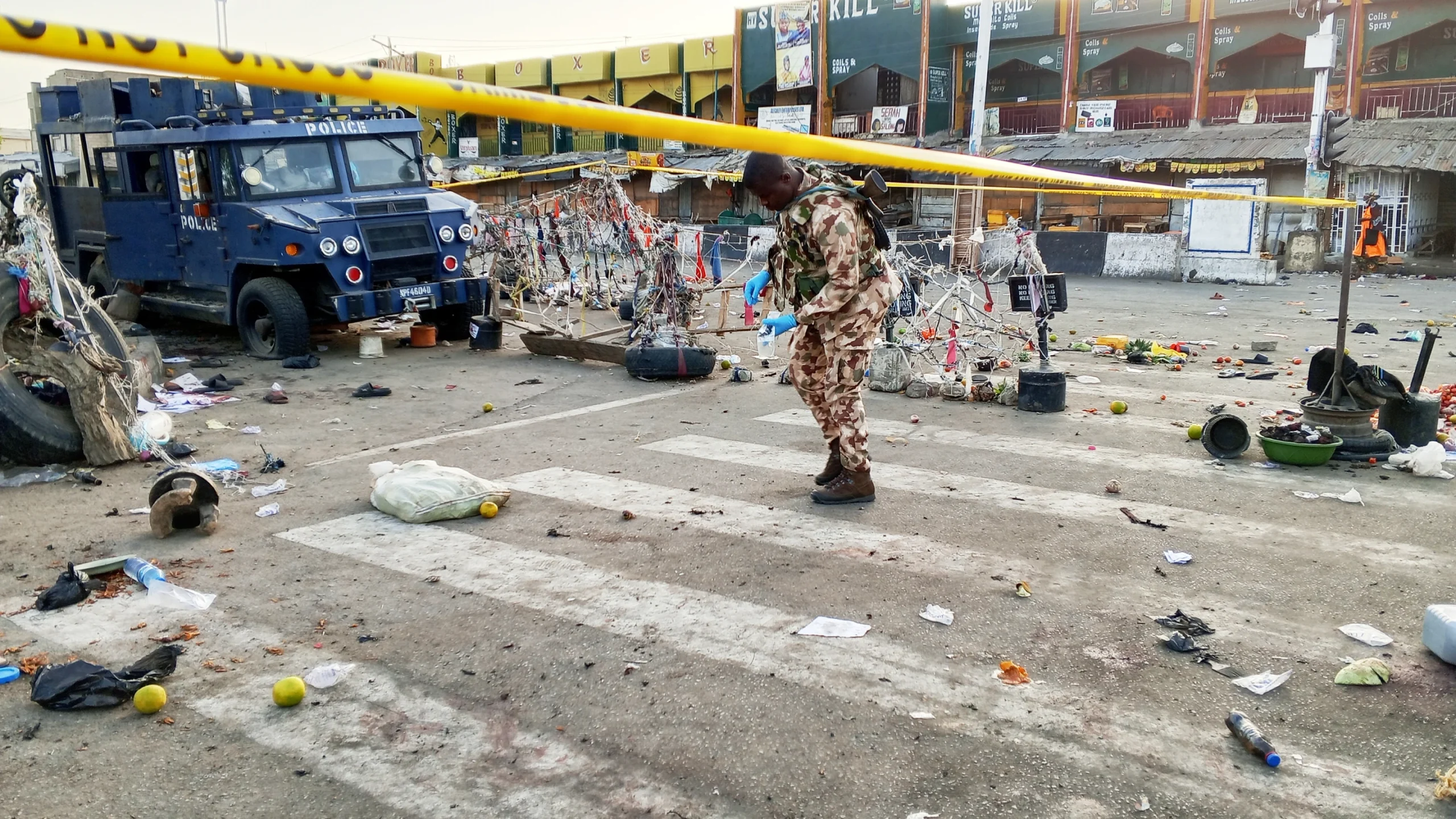
Maiduguri bombing casualties March 2026 have been confirmed by authorities after multiple coordinated explosions killed at least 23 people and injured 108 others in Nigeria’s northeastern city of Maiduguri.
The attacks, which occurred on Monday evening, targeted several high-traffic locations across the city, raising fresh concerns about security in the region. Officials say the explosions were likely carried out by suspected suicide bombers linked to insurgent activity.

Coordinated Explosions Rock Maiduguri
The Maiduguri bombing casualties March 2026 resulted from a series of near-simultaneous blasts that struck key public areas.
According to police reports, the explosions occurred at approximately 7:24 p.m., a time when many residents were still active in markets and public spaces.
Locations Targeted in the Attacks
Authorities confirmed that the attackers targeted multiple crowded locations, including:
-
Monday Market, a major commercial hub
-
The main gate of the University of Maiduguri Teaching Hospital
-
The Post Office Flyover
These locations are known for heavy foot traffic, which may have contributed to the high number of casualties.
Nature of the Attacks
Preliminary investigations suggest that the explosions were carried out by suicide bombers.
Security officials described the attacks as coordinated, indicating a planned effort to strike multiple locations within a short period.
Casualties and Medical Response
The Maiduguri bombing casualties March 2026 include 23 confirmed deaths and 108 individuals injured, according to the Borno State Police Command.
Possibility of Higher Death Toll
Local sources indicate that the death toll may increase.
Some of the injured victims were reported to be in critical condition, and there are concerns that additional fatalities could occur as medical teams continue treatment.
Emergency Medical Efforts
Emergency response teams were quickly mobilized following the explosions.
Key agencies involved include:
-
Borno State Emergency Management Agency (SEMA)
-
Medical personnel at nearby hospitals
Victims were transported to medical facilities across Maiduguri, where they are currently receiving treatment.
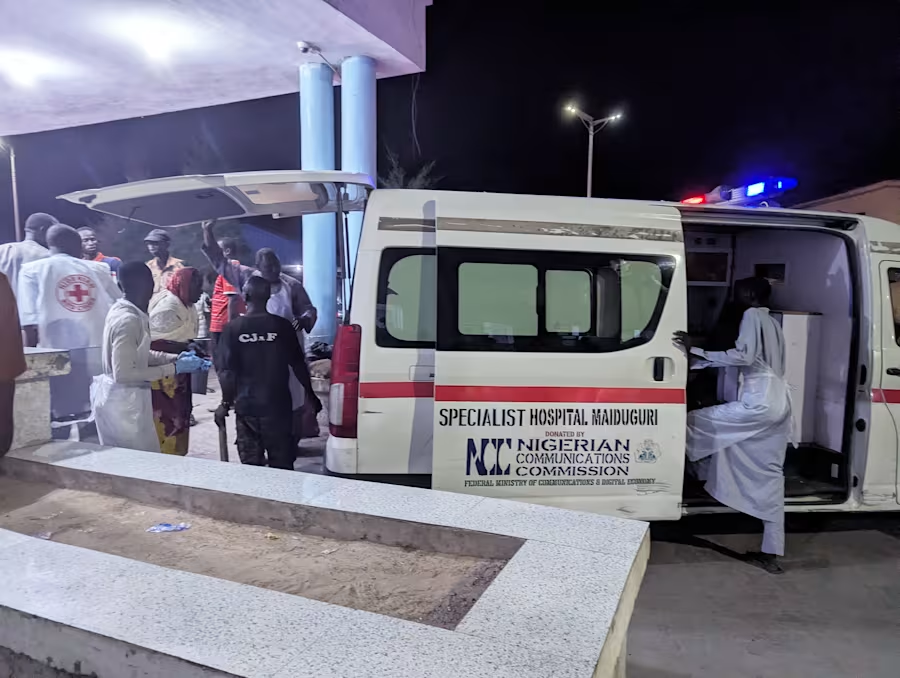
Security Agencies Respond Swiftly
Following the attacks, security forces moved rapidly to secure affected areas and prevent further incidents.
Deployment of Joint Security Teams
A joint team consisting of police tactical units, military personnel, and other security agencies was deployed.
Their responsibilities included:
-
Securing the blast sites
-
Conducting search and rescue operations
-
Assisting injured victims
Explosive Ordnance Disposal Operations
The Police Explosive Ordnance Disposal (EOD) Unit conducted thorough sweeps of the affected locations.
These operations were aimed at:
-
Detecting and neutralizing additional explosive devices
-
Ensuring public safety
-
Preventing follow-up attacks

Official Statements and Reactions
Authorities have described the Maiduguri bombing casualties March 2026 as a major security incident.
Police Confirmation of Casualties
The Police Public Relations Officer confirmed the figures in an official statement, noting that the investigation is ongoing.
Officials emphasized that the attacks were carried out by suspected suicide bombers and described the situation as devastating.
Visit by Police Commissioner
The Commissioner of Police in Borno State visited the affected areas following the incident.
During the visit:
-
Condolences were extended to victims and their families
-
Assurance was given regarding ongoing security efforts
-
Authorities reiterated their commitment to protecting lives and property
Military Assessment of the Attack
The Headquarters Joint Task Force (North East), known as Operation HADIN KAI, also reacted to the incident.
Objective of the Attack
Military officials stated that the attacks appeared to be an attempt to:
-
Inflict mass casualties
-
Create panic among residents
-
Disrupt normal activities in the city
Ongoing Security Operations
Troops, alongside police units and other agencies, continue to maintain a strong presence in the affected areas.
Their efforts include:
-
Monitoring potential threats
-
Supporting ongoing investigations
-
Maintaining public order

Background: Insurgency in Northeastern Nigeria
The Maiduguri bombing casualties March 2026 highlight ongoing security challenges in northeastern Nigeria.
History of Insurgent Attacks
Maiduguri, the capital of Borno State, has been a focal point in the fight against insurgency for over a decade.
The region has experienced:
-
Repeated bombings and attacks
-
Displacement of residents
-
Long-term security operations by Nigerian forces
Impact on Civilians
Civilians often bear the brunt of such attacks.
Effects include:
-
Loss of lives and injuries
-
Economic disruption
-
Psychological trauma
Despite ongoing military efforts, sporadic attacks continue to occur in parts of the region.
Public Safety Advisory for Residents
Authorities have urged residents to remain calm but vigilant following the incident.
Safety Recommendations
Residents are advised to:
-
Avoid crowded areas when possible
-
Report suspicious individuals or objects
-
Follow official security updates
-
Cooperate with law enforcement agencies
These measures are intended to reduce risks and enhance community safety.
Investigation and Next Steps
Security agencies have launched a full investigation into the Maiduguri bombing casualties March 2026.
Key Areas of Investigation
Investigators are focusing on:
-
Identifying those responsible
-
Tracing the source of explosives
-
Determining how the attacks were coordinated
Continued Monitoring
Authorities have stated that further updates will be provided as the investigation progresses.
Security presence in Maiduguri remains heightened as officials work to prevent additional incidents.
FAQ
What happened in the Maiduguri bombing March 2026?
Multiple suicide bomb attacks occurred in Maiduguri, killing at least 23 people and injuring 108 others across several locations.
Where did the explosions occur in Maiduguri?
The attacks targeted Monday Market, the University of Maiduguri Teaching Hospital gate, and the Post Office Flyover.
Who is responsible for the attacks?
Authorities suspect the involvement of terrorist groups, with early indications pointing to suicide bombers linked to insurgent activity.
Are security forces taking action after the attack?
Yes, joint security teams have been deployed, and investigations are ongoing to identify those responsible and prevent further incidents.
Conclusion
The Maiduguri bombing casualties March 2026 underscore the persistent security challenges facing northeastern Nigeria. With 23 lives lost and over 100 injured, the attacks have once again highlighted the need for continued vigilance and coordinated security efforts. As investigations continue, authorities are working to restore stability and reassure residents while addressing the broader threat posed by insurgent activities.