 0
0
 0
0
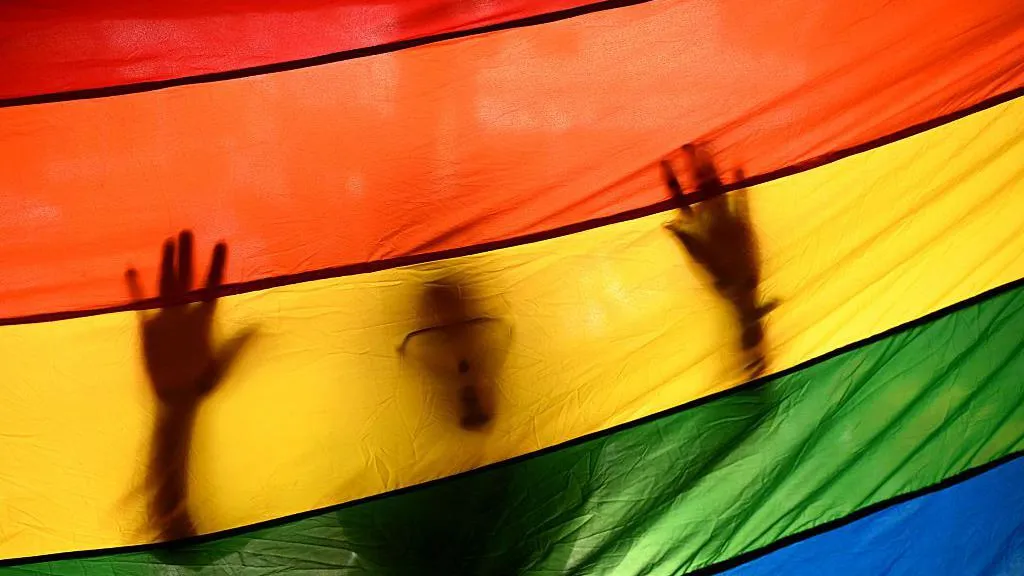
Senegal Approves Tougher Anti Gay Law after lawmakers in the West African country voted to increase penalties for same sex relations and introduce new restrictions related to the promotion of homosexuality. The legislation was approved by a large majority in parliament and now awaits final approval from the country’s president before it becomes official law.
The vote took place in the parliament of Senegal where 135 members supported the bill, none voted against it, and three lawmakers abstained. The decision represents one of the most significant changes to the country’s existing laws regarding same sex relationships.
Government officials say the legislation reflects the views and cultural values of many citizens, while human rights organizations warn it could lead to increased discrimination and fear among sexual minorities.
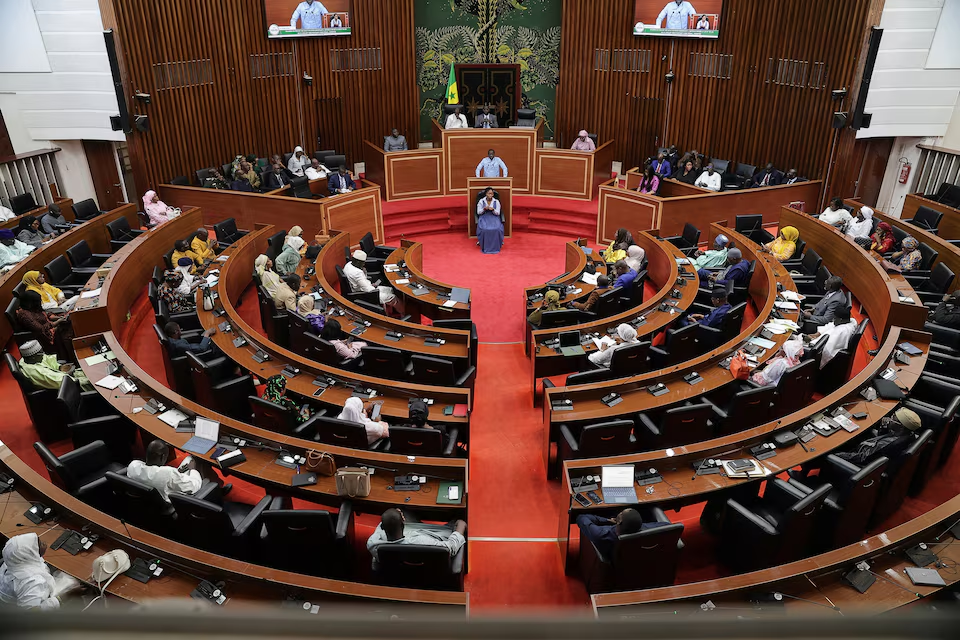
Parliament Votes to Strengthen Existing Law
The new legislation strengthens existing laws that already criminalize same sex relationships in Senegal. Under the previous law, individuals convicted of same sex relations could face prison sentences ranging from one to five years.
The new bill increases the maximum sentence to ten years in prison and also introduces penalties for individuals accused of promoting homosexuality.
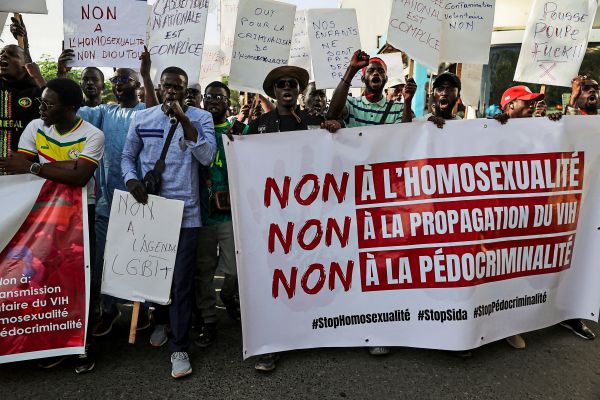
The legislation was proposed following a series of arrests last month involving people accused of participating in same sex relationships.
Supporters of the bill say stricter penalties are necessary to enforce existing cultural and social norms within Senegalese society.
Political Leaders Support the Bill
The legislation had strong backing from the administration of Bassirou Diomaye Faye and Prime Minister Ousmane Sonko.
Government officials said the proposal was a campaign commitment made during the election period and was introduced to parliament in response to growing public pressure from conservative groups.
A government spokesperson, Amadou Moustapha Ndieck Sarré, defended the decision by saying the law reflects widely held cultural beliefs in the country.
Officials argued that the legislation was necessary to protect what they describe as traditional values and social norms.
Conservative Groups Call for Stricter Measures
Several conservative organizations in Senegal have long advocated for stronger laws against homosexuality.
One of the most prominent movements, And Sàmm Jikko Yi, has repeatedly urged authorities to adopt stricter measures aimed at criminalizing homosexual acts.
Leaders of the movement say their campaign is intended to defend moral and cultural traditions within Senegalese society.
Supporters of the legislation believe the tougher penalties will discourage behaviour they consider unacceptable within the country’s cultural framework.
Human Rights Groups Express Concern
Human rights organizations have criticized the new law and warned it could worsen discrimination against sexual minorities.
Researchers from Human Rights Watch said criminalizing sexual orientation violates internationally recognized principles of equality and non discrimination.
Rights advocates argue that stricter laws may expose individuals to harassment, violence, and fear.
Analysts say the Senegal Approves Tougher Anti Gay Law decision could intensify social tensions in the country if not carefully managed.
Experts Warn of Public Health Risks
Health experts have also expressed concerns about the potential impact of the law on public health programs.
Specialists involved in HIV prevention efforts say stronger criminal penalties could discourage people from seeking medical care or testing due to fear of legal consequences.
Officials working with Senegal’s HIV prevention programs warn that stigma and discrimination can undermine years of progress in disease prevention.
According to national health authorities, between 42,000 and 44,000 people are living with HIV in Senegal, with one of the lowest prevalence rates in West Africa.
Health professionals caution that policies that increase stigma could make it harder to maintain effective public health programs.
Debate Over Social Impact Continues
Some observers say the new legislation may push same sex relationships further underground rather than eliminating them.
Advocates for LGBTQ communities say the law could increase fear among individuals who already face social stigma.
They also warn that some people may choose to leave the country to avoid potential legal consequences.
Others argue that the law reflects the will of the majority and should be respected as part of Senegal’s democratic process.
Wider Trend Across Africa
The decision in Senegal follows a broader trend across several African countries where governments have introduced stricter laws targeting same sex relationships.
Countries such as Burkina Faso and Mali have recently passed legislation banning homosexual acts.
In 2023, Uganda adopted some of the world’s strictest anti homosexuality laws, including severe criminal penalties in certain circumstances.
Meanwhile, lawmakers in Ghana are considering new legislation related to homosexuality that has sparked debate both locally and internationally.
The Senegal Approves Tougher Anti Gay Law decision therefore reflects a wider discussion taking place across the region about law, culture, and human rights.