 0
0
 0
0
The Qatar Typhoon shootdown has marked a major development in the escalating Gulf conflict after Qatar’s air force reportedly destroyed two Iranian bomber aircraft using advanced long-range Meteor missiles.
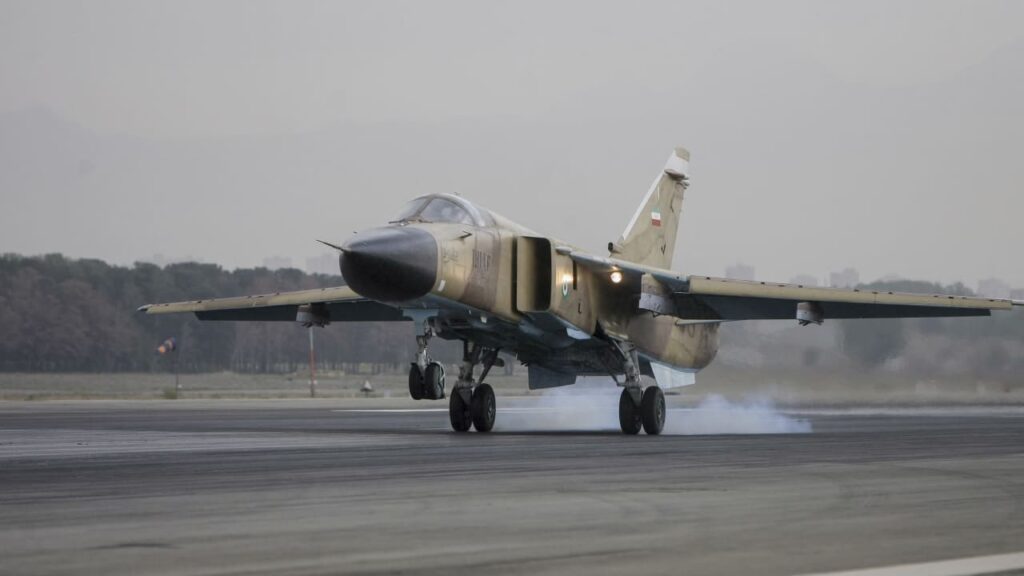
The aircraft, identified as Soviet-era Sukhoi Su‑24 bombers, were intercepted late Monday near the Arabian Gulf. Officials said the incident represents the first confirmed destruction of Iranian aircraft since regional hostilities intensified over the weekend.
According to Qatar’s defence authorities, the Iranian aircraft were targeted by fighter jets belonging to the Qatari air force after radar systems identified them as potential threats.
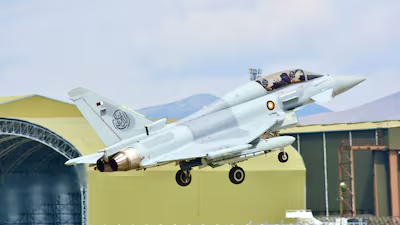
Qatari Eurofighter Typhoons Intercept Iranian Bombers
The Qatar Typhoon shootdown reportedly involved two Eurofighter Typhoon aircraft placed on quick reaction alert status.
Quick reaction alert missions allow fighter jets to scramble within minutes when unidentified or hostile aircraft are detected approaching national airspace.
Military sources indicated that the Typhoon fighters used advanced Active Electronically Scanned Array radar systems to detect the Iranian bombers.
Once the targets were identified, the Qatari aircraft engaged using Meteor missile systems designed for long-range aerial combat.
Officials did not disclose the exact coordinates of the engagement but reports suggest the aircraft were likely intercepted over the Arabian Gulf rather than inside Iranian territory.
Meteor Missile Gives Qatar Long-Range Combat Advantage
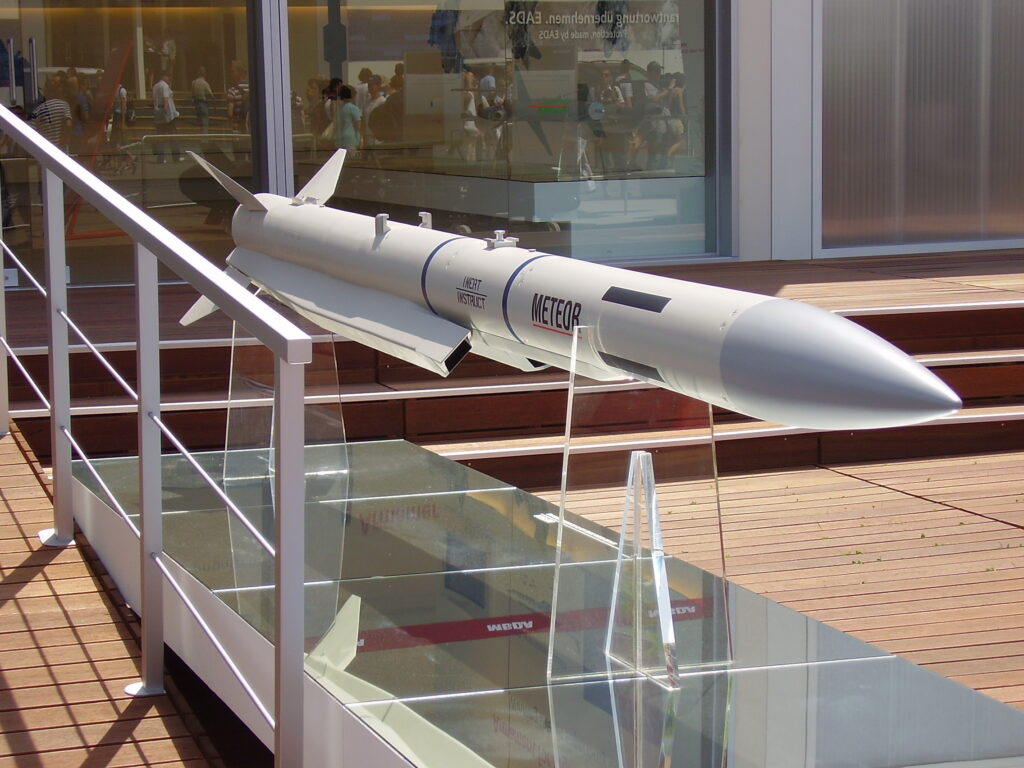
The Meteor missile used during the Qatar Typhoon shootdown is considered one of the most advanced air-to-air weapons currently deployed by Western air forces.
Developed by the European defence manufacturer MBDA, the missile is designed for beyond-visual-range combat.
Key capabilities of the missile include:
• Speeds exceeding Mach 4
• Operational range reaching about 200 kilometres
• Ramjet propulsion system that maintains sustained speed
• One of the world’s largest no-escape zones for aerial targets
Military analysts say the missile can lock onto targets from distances of roughly 60 kilometres with extremely high interception probability.
Because of these capabilities, once a target is successfully tracked and the missile is launched, enemy aircraft have very limited chances of escape.
Radar Detection Led to Rapid Engagement
According to defence observers, the Qatar Typhoon shootdown occurred after Iranian aircraft were detected by radar systems operating in the Gulf region.
Experts believe the Iranian bombers were airborne at some distance from their coastline when they were picked up by radar surveillance.
The Typhoon fighters, already stationed on standby, were quickly launched to intercept the aircraft.
A former Royal Air Force officer, Sammy Sampson, said the event was likely a long-range missile engagement rather than a traditional dogfight.
He explained that radar conditions over open sea provide fighter jets with clearer tracking information because there is minimal interference from terrain.
According to him, such conditions allow modern fighter aircraft to achieve better targeting accuracy against older platforms like the Su-24 bomber.
Iranian Drones and Missiles Also Intercepted
Alongside the aircraft interception, Qatari authorities said their air defence systems also neutralised several other threats.
The Ministry of Defence reported intercepting five Iranian drones and seven ballistic missiles.
Earlier reports indicated that Iranian drones had targeted infrastructure sites within Qatar, including a power facility and a location linked to the national energy company QatarEnergy.
These attacks formed part of a broader escalation that has seen multiple countries in the Gulf region heighten their military readiness.
Missile Strike Hits Al Udeid Base
Amid the rising tensions, another incident occurred when a missile struck the Al Udeid Air Base, one of the largest military installations in the Middle East.
Officials confirmed that the strike did not result in casualties.
The base hosts United States and coalition forces and plays a major role in regional air operations.
Gulf Nations Condemn Iranian Attacks
Countries belonging to the Gulf Cooperation Council strongly condemned the attacks attributed to Iran.
In a joint response, member states described the strikes as violations of regional sovereignty and threats to civilian safety.
The bloc stated that it would take all necessary measures to defend its territory and security interests.
Officials also warned that further attacks could trigger stronger defensive actions from Gulf nations.
Growing Concerns Over Regional Stability
The Qatar Typhoon shootdown highlights the growing volatility across the Gulf region as military confrontations intensify.
Defence analysts say the use of advanced fighter aircraft and long-range missiles underscores the technological advantage held by Gulf states equipped with modern Western military systems.
However, they warn that continued aerial engagements could escalate tensions further and increase the risk of wider conflict.
For now, regional governments are closely monitoring the situation while strengthening air defence systems and military readiness.
PLEASE CLICK HERE FOR MORE NEWS