 0
0
 0
0
US Closes Gulf Embassies after a series of drone attacks and rising missile threats across the Middle East, signaling a sharp escalation in tensions involving Iran, Israel and the United States.
The decision to suspend operations at multiple diplomatic missions comes amid expanding military activity and urgent security warnings for American citizens across the region.
Why US Closes Gulf Embassies in Saudi Arabia, Kuwait and Lebanon
The US State Department confirmed that US Closes Gulf Embassies in Saudi Arabia, Kuwait and Lebanon following drone attacks targeting diplomatic facilities.
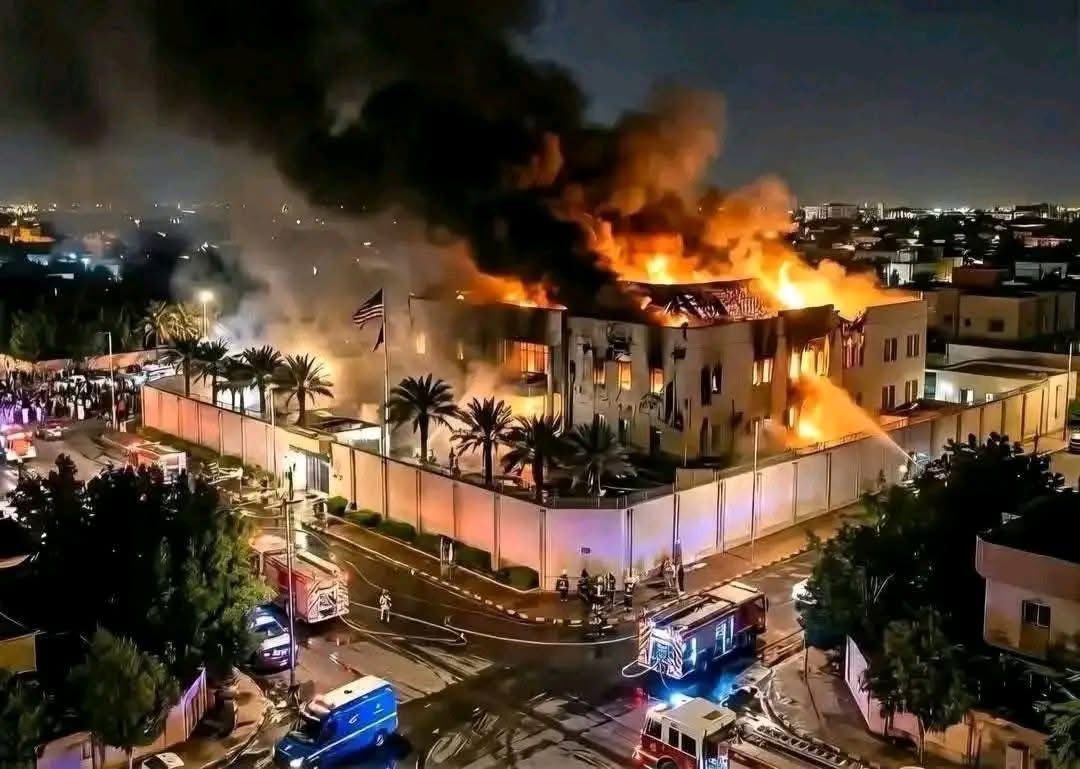
In Riyadh, Saudi authorities reported that two drones struck the US embassy compound, causing minor structural damage. A separate drone incident reportedly triggered a fire at the US embassy compound in Kuwait.
Security officials indicated that the embassy closures were precautionary, aimed at protecting diplomatic staff and American citizens as threats intensify.
The US Embassy in Riyadh also warned of imminent missile and unmanned aerial vehicle activity over Dhahran. Citizens were instructed to shelter in place, remain indoors and avoid windows due to potential debris from intercepted projectiles.
US Closes Gulf Embassies and Urges Americans to Depart Now
As US Closes Gulf Embassies, Washington issued a strong advisory urging Americans to depart immediately from 14 countries across the Middle East.
The advisory covers Iran, Israel, Saudi Arabia, Qatar, the United Arab Emirates, Bahrain, Egypt, Iraq, Jordan, Kuwait, Lebanon, Oman, Syria, Yemen and the Palestinian territories.
The State Department also ordered nonessential personnel and their families to evacuate from Bahrain, Iraq, Jordan, Kuwait, Qatar and the UAE.
Assistant Secretary Mora Namdar advised Americans to use available commercial transportation while it remains operational and to contact emergency consular lines for support if required.
The move underscores growing concern that hostilities between the United States, Iran and Israel could spread further across borders.
Donald Trump Responds After US Closes Gulf Embassies
US President Donald Trump suggested that the current military campaign could expand.
Speaking publicly, Trump stated that the most significant phase of operations had not yet occurred and indicated that additional measures could follow. He declined to rule out deploying ground forces, noting that future decisions would depend on developments on the ground.
Secretary of State Marco Rubio warned that further military action may be necessary. Defence Secretary Pete Hegseth said the United States would respond proportionately to threats while avoiding prolonged entanglement similar to past conflicts.
The remarks have intensified speculation about whether the embassy closures signal preparation for broader operations.
Regional Conflict Expands After US Closes Gulf Embassies
The situation has widened beyond Iran and Israel.
Qatar reported that its air force intercepted two Iranian Su 24 aircraft approaching its airspace. Saudi Arabia said drones targeted the Ras Tanura oil refinery but were intercepted before major damage occurred.
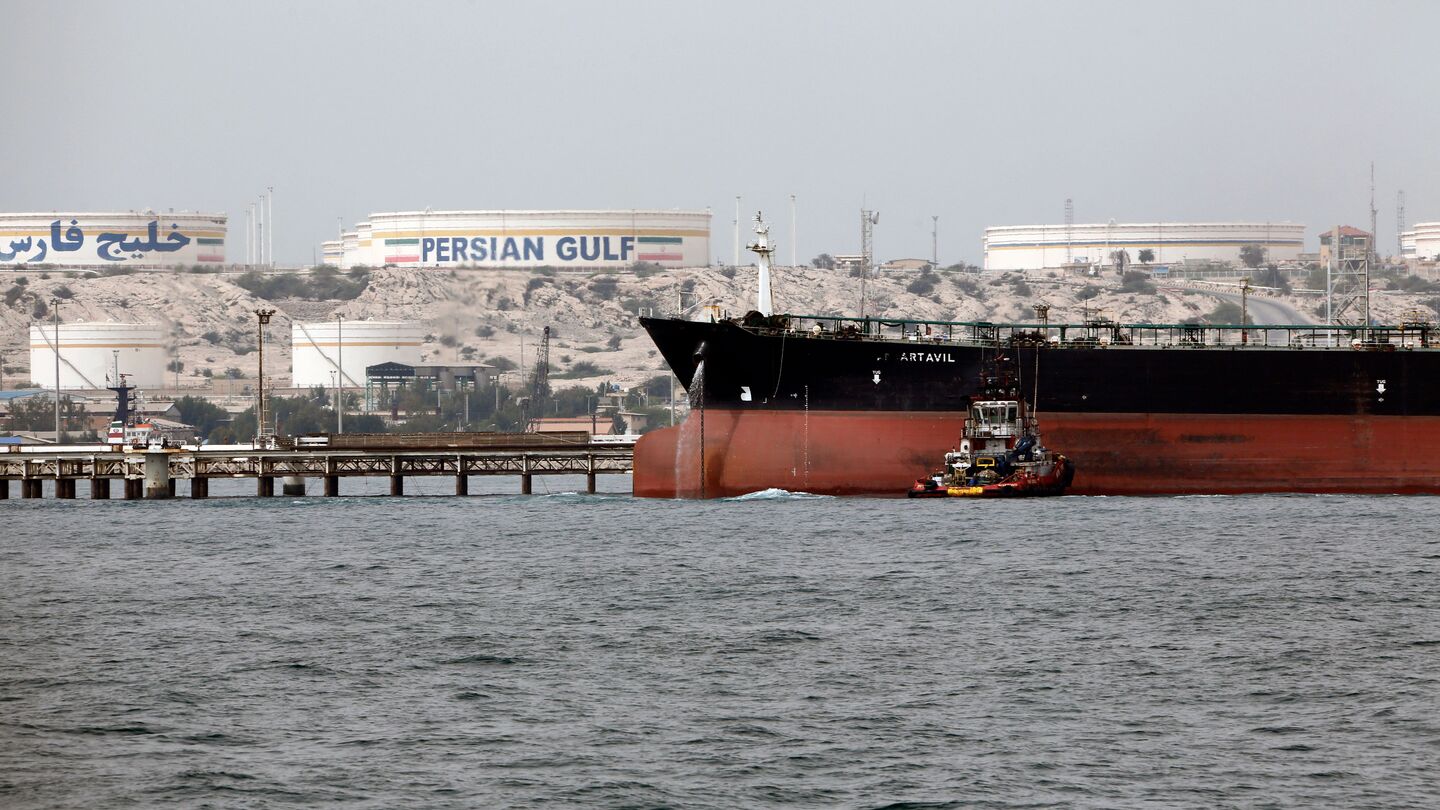
Concerns are also mounting around the Strait of Hormuz, a strategic waterway that carries nearly one fifth of global oil supplies. Any disruption to shipping routes could significantly impact energy markets.
Financial markets have already reacted. Brent crude oil rose above 80 dollars per barrel, while natural gas prices increased sharply. Stock markets in Asia and Europe experienced declines amid uncertainty.
Casualties and Economic Impact
The Pentagon confirmed that six US service members were killed in recent strikes. Iranian authorities reported hundreds of casualties linked to US and Israeli operations. Lebanon and Israel have also reported fatalities.
Educational institutions with American affiliations in the Middle East have shifted to remote learning or suspended operations as a safety precaution.
Analysts note that continued instability could trigger prolonged economic consequences if oil infrastructure or shipping lanes are further disrupted.
What Comes Next After US Closes Gulf Embassies
As US Closes Gulf Embassies and evacuation efforts continue, diplomatic engagement remains uncertain.
President Trump is scheduled to meet German Chancellor Friedrich Merz in Washington, where the crisis is expected to be a central topic.
Security experts suggest the coming weeks will determine whether tensions stabilize through diplomatic channels or escalate into a prolonged regional confrontation.
For now, the closure of embassies and urgent travel advisories mark one of the most serious diplomatic shifts in the Middle East in recent years.
Please click here for more news