

 0
0
 0
0
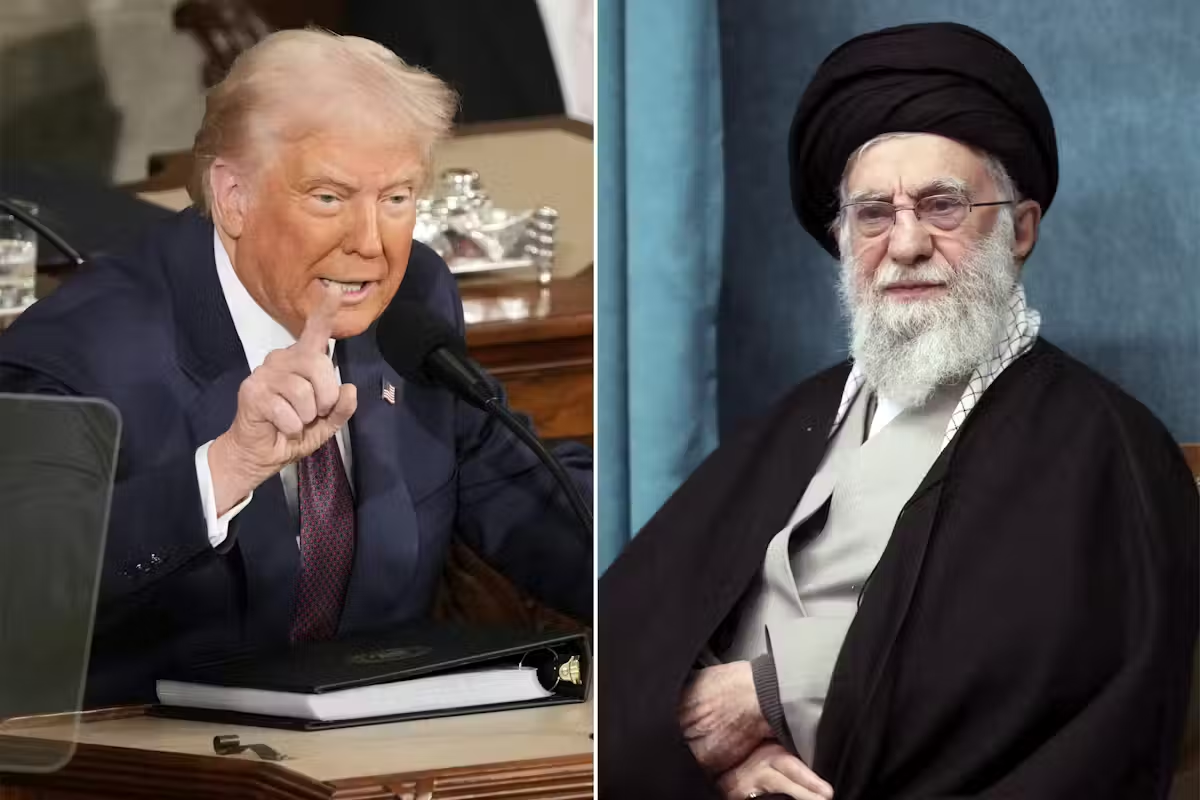
The Trump Iran nuclear deal deadline has intensified tensions across the Middle East after US President Donald Trump gave Tehran 10 to 15 days to reach a new agreement on its nuclear program or face what he described as “really bad things.”
The warning came amid a significant US military buildup in the region, raising fears of a broader confrontation. Iranian officials responded swiftly, cautioning that any attack would trigger retaliation against American bases and assets in the Middle East.
The escalating rhetoric surrounding the Trump Iran nuclear deal deadline has already affected oil markets and heightened diplomatic concerns globally.
Trump Issues 10 to 15 Day Ultimatum
Speaking at the inaugural meeting of his Board of Peace in Washington, President Trump made clear that negotiations with Iran were progressing but stressed that time was running out.
“You’ll be finding out over the next probably 10 days,” Trump said, later clarifying aboard Air Force One that “10, 15 days” would be the maximum timeframe.
The Trump Iran nuclear deal deadline reflects the administration’s push for what it calls a “meaningful” agreement that would address concerns over Iran’s uranium enrichment activities and broader regional influence.
While Trump did not outline specific consequences, he repeatedly warned that failure to reach a deal would result in severe outcomes.
Tehran Warns of Retaliation
In response to the Trump Iran nuclear deal deadline, Tehran sent a letter to Antonio Guterres, asserting that Iran does not seek war but would act decisively if attacked.
The letter stated that all US bases, facilities, and military assets in the region would become legitimate targets in the event of aggression. Iranian officials emphasized that any military action would be met with proportionate retaliation.
The sharp exchange underscores the fragile state of diplomacy as both sides remain far apart on key issues.
US Military Buildup Raises Stakes
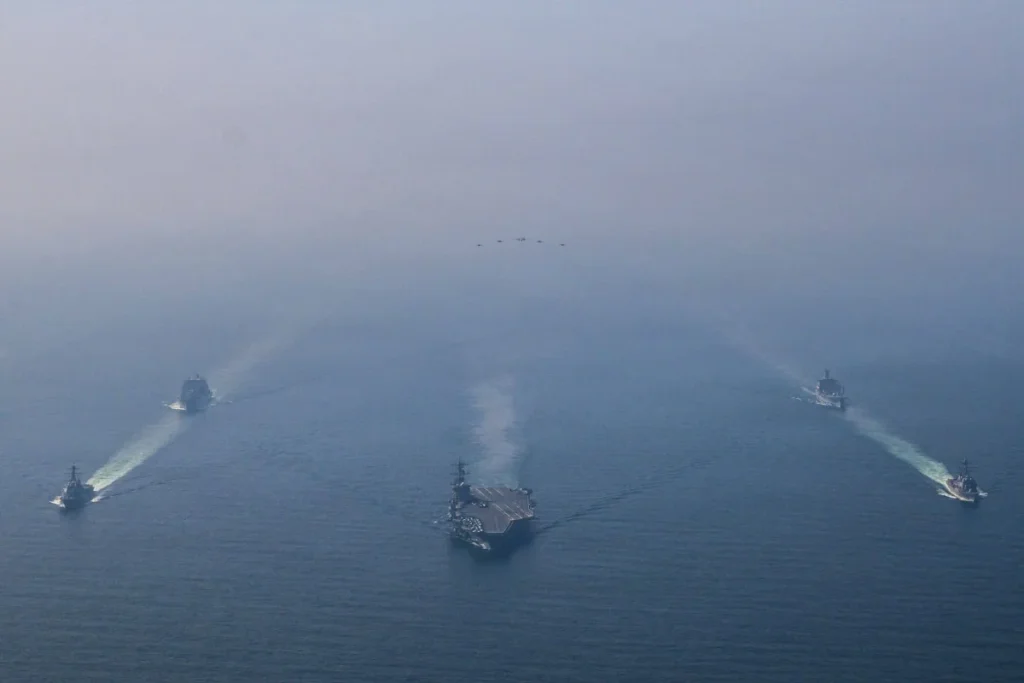
The Trump Iran nuclear deal deadline comes as the United States increases its military presence in the Middle East. Aircraft carriers, warships, and fighter jets have been deployed to strategic locations.
The US Navy’s USS Abraham Lincoln carrier strike group has been operating in the Arabian Sea, signaling heightened readiness. Officials indicated the buildup could be completed by mid March.
The military posture has fueled fears of another confrontation similar to last June, when US and Israeli forces struck Iranian nuclear facilities and military sites.
Negotiations Continue Amid Tension
Despite the tough language, US officials described ongoing discussions as productive. Iranian and American negotiators met earlier this week, and Iranian Foreign Minister Abbas Araqchi said both sides had agreed on guiding principles.
However, White House press secretary Karoline Leavitt acknowledged that significant differences remain.
A senior US official stated that Iran is expected to submit a written proposal addressing American concerns. Whether this proposal will satisfy the demands set under the Trump Iran nuclear deal deadline remains uncertain.
Core Disputes Over Nuclear Program
At the heart of the Trump Iran nuclear deal deadline is Washington’s insistence that Iran cannot possess nuclear weapons capability.
Trump reiterated that peace in the Middle East is incompatible with a nuclear armed Iran. The US wants Tehran to:
-
Fully halt uranium enrichment
-
Abandon long range ballistic missile development
-
End support for regional armed groups
-
Limit military activities beyond the nuclear file
Iran, however, maintains that its nuclear program is for peaceful purposes and refuses to negotiate beyond atomic issues. Iranian leaders have described missile restrictions as a red line.
Global Reactions and Market Impact
The Trump Iran nuclear deal deadline has already influenced global markets, with oil prices rising amid uncertainty. The Gulf of Oman, a vital energy transit route, has seen increased naval activity.
Russia warned against what it called unprecedented escalation of tensions and urged restraint. A Russian naval vessel joined Iranian exercises in the region, highlighting the broader geopolitical implications.
European nations have also expressed concern. Poland became the latest country advising its citizens to leave Iran, citing the possibility of rapid deterioration in security conditions.
Israel and Regional Dynamics
The United States continues to coordinate closely with Israel. Secretary of State Marco Rubio is scheduled to meet Israeli Prime Minister Benjamin Netanyahu later this month to discuss Iran.
Israel has long opposed Iran’s nuclear ambitions and has previously supported military measures to limit Tehran’s capabilities.
The Trump Iran nuclear deal deadline therefore intersects with broader regional security calculations involving Israel and Gulf states.
Risk of Escalation
The sharp rhetoric and visible military deployments have revived fears of open conflict. Satellite imagery reportedly shows continued Iranian fortification of nuclear and missile facilities since last year’s strikes.
Meanwhile, US bases across the region have increased readiness levels.
The coming days will be critical. If diplomacy fails before the Trump Iran nuclear deal deadline expires, markets and governments worldwide will be closely watching the next steps.
What Happens Next?
With roughly two weeks set as the maximum timeframe, negotiators face intense pressure. Analysts suggest three possible outcomes:
-
A preliminary agreement that extends talks
-
A limited framework addressing enrichment
-
Escalation toward military confrontation
For now, both sides publicly maintain that diplomacy remains possible. Trump has described the discussions as “good talks,” even as he repeats the warning of serious consequences.
For more news, Please visit our Homepage




[…] retaliatory strikes further increased tensions across the Middle East and raised concerns about the possibility of a wider regional […]