
 0
 0
The El-Rufai phone tapping trial has reached an important stage after the Federal High Court in Abuja rejected former Kaduna State Governor Nasir El-Rufai’s no-case submission. Justice Joyce Abdulmalik ruled that the prosecution had presented enough evidence for the trial to continue.
The case involves allegations that telephone communications belonging to National Security Adviser Nuhu Ribadu were unlawfully intercepted. The Department of State Services (DSS) investigated the matter, leading to criminal charges against El-Rufai.
After the prosecution presented two key witnesses and finished its case, El-Rufai’s lawyers asked the court to dismiss the charges. They argued that the evidence was not strong enough to require him to defend himself.
The DSS opposed the application, arguing that the evidence presented, including exhibits relating to the alleged intercepted conversations, was enough for the trial to continue.
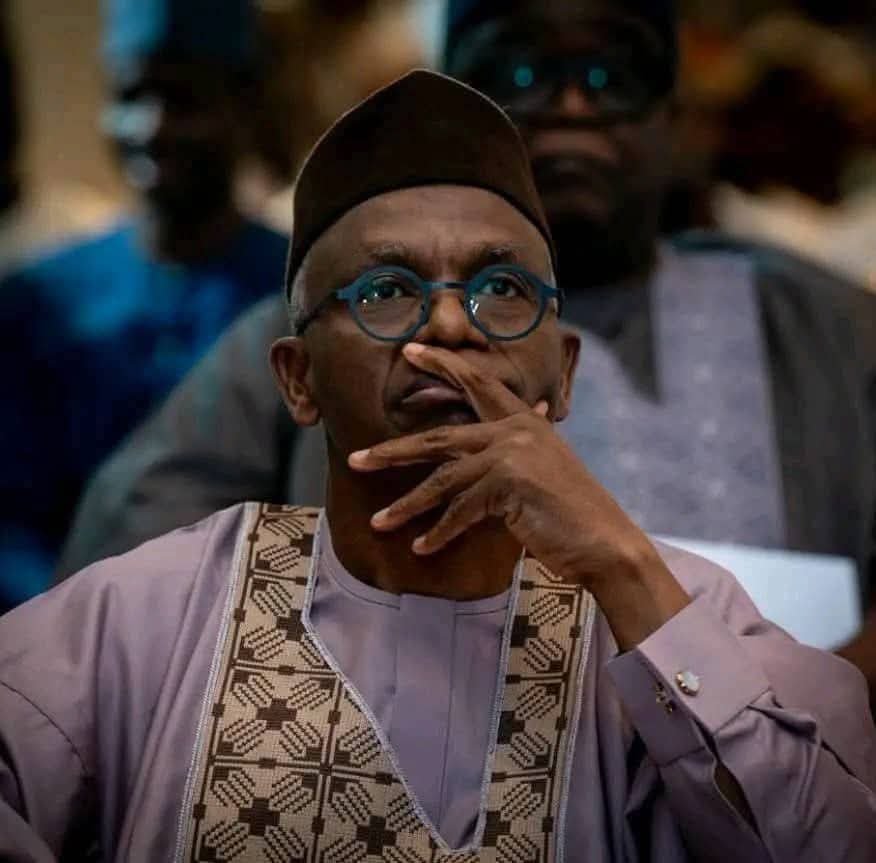
El-Rufai phone tapping trial
In her ruling, Justice Abdulmalik found that a prima facie case had been established. This means the prosecution had presented enough evidence to require a response from the defendant at this stage of the trial.
The judge referred to Exhibit B, which contained material relating to the alleged interception of Ribadu’s telephone communications. She rejected El-Rufai’s no-case submission and directed him to present his defense.

In the El-Rufai phone tapping trial, the rejection of a no-case submission does not mean the defendant has been found guilty. It simply means the court believes there is enough evidence for the trial to continue.
The next stage will focus on El-Rufai’s defense and any evidence his legal team presents. The case has attracted public attention because it involves a former state governor and Nigeria’s National Security Adviser.
Click here for more news