 0
0
 0
0
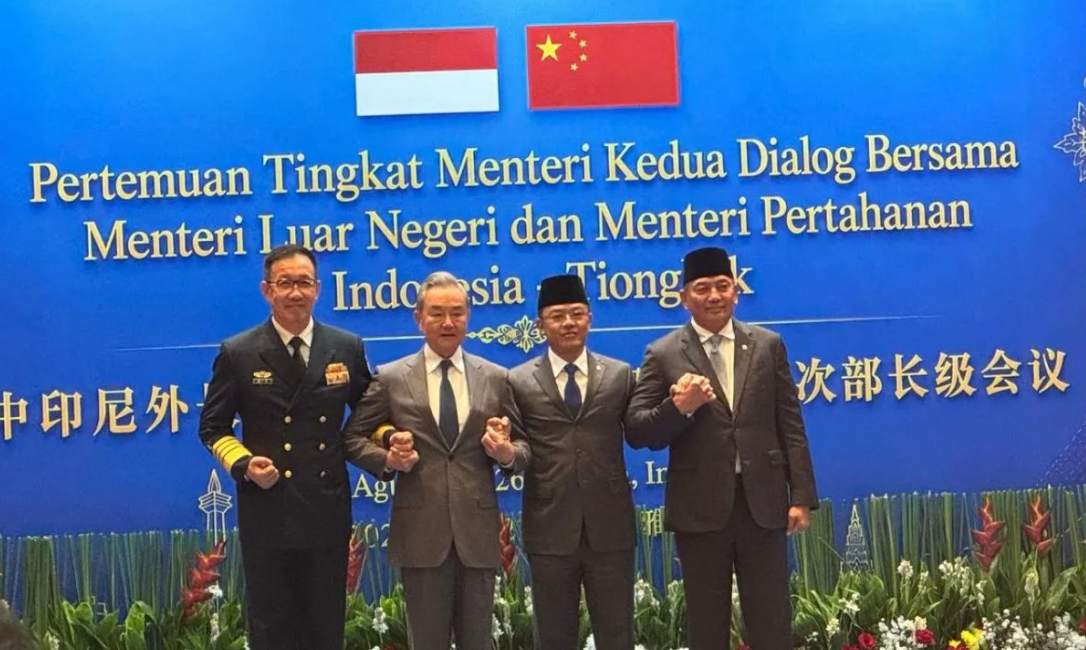
China is expanding its influence in Southeast Asia by working more closely with countries in areas such as defense, critical minerals, energy, and artificial intelligence. A recent meeting in Jakarta on August 20 between Chinese and Indonesian ministers led to agreements to deepen cooperation in these areas. One of the main projects is a joint munitions factory in Indonesia, expected to start operating by 2027, possibly using Chinese technology.

The meeting followed a “2+2” format, where foreign and defense ministers from both sides meet together. China has used this approach before, including during Foreign Minister Wang Yi’s visit to Cambodia earlier this year. These talks are part of Beijing’s wider push to strengthen relationships across Southeast Asia, which has also included visits to Vietnam, Malaysia, and Cambodia.
China influence in Southeast Asia
Furthermore, China influence in Southeast Asia stands out compared to Washington’s limited presence in the region under the Trump administration. Many Southeast Asian governments are looking for dependable economic partners as they face uncertainty from U.S. tariffs and the impact of the Iran war. This situation has given China more opportunities to strengthen its relationships.
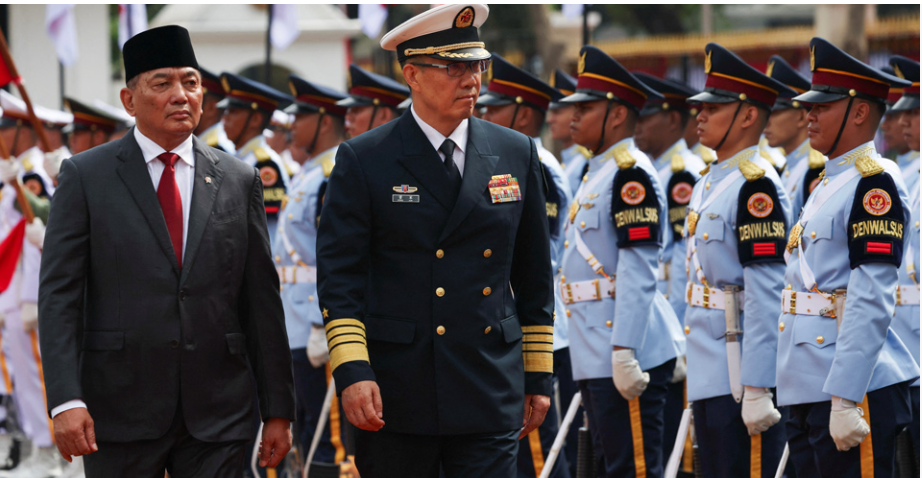
China’s partnerships with Southeast Asian countries now covers many areas from defense and minerals to energy and technology. The planned munitions factory shows how cooperation is extending into security matters. At the same time, China continues to engage with Cambodia, Vietnam, and Malaysia, showing its broader strategy to expand ties across the region.
In conclusion, China is using deeper cooperation with countries like Indonesia and Cambodia to expand its role in Southeast Asia. The agreements along with projects like the munitions factory, show how Beijing is strengthening its position while the U.S. maintains a smaller presence.