
 0
0
 0
0
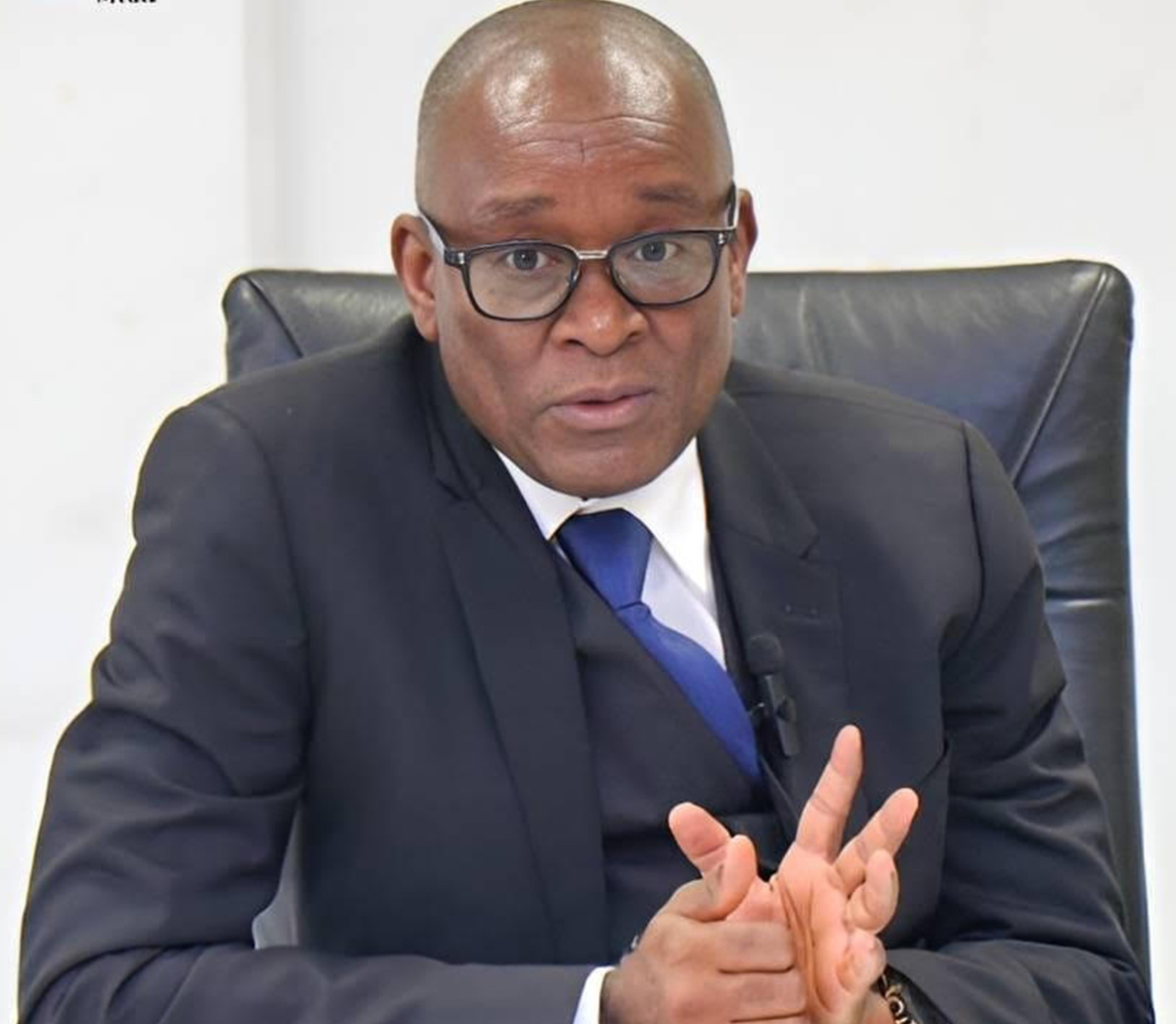
The Nigeria economic foresight transformation has become a central theme in recent economic discussions following comments by the Minister of State for Industry, Trade and Investment, Senator John Owan Enoh. The minister stressed that Nigeria must move beyond traditional oversight systems and adopt long-term strategic foresight to achieve meaningful and sustainable economic development.
He made this statement during an event in Abuja focused on governance, leadership, and corporate board excellence, where key stakeholders in both the public and private sectors gathered to discuss Nigeria’s development direction.

Nigeria Economic Foresight Transformation and Leadership Shift
The Nigeria economic foresight transformation agenda highlights the need for a shift in how decisions are made within government institutions and corporate organizations.
Moving from oversight to strategic foresight
According to the minister, traditional oversight models are no longer sufficient for today’s economic realities. Instead, leaders must focus on:
- Long-term planning and strategic forecasting
- Proactive decision-making systems
- Adaptive governance structures
- Innovation-driven policy development
He emphasized that leadership today must anticipate challenges rather than only respond to them.
Importance of leadership in economic transformation
The minister noted that both public and private sector leaders play a key role in shaping Nigeria’s future economy through:
- Corporate governance reforms
- Institutional efficiency improvements
- Policy innovation
- Strategic economic planning
CIoD Event Highlights Governance and Corporate Excellence
The Nigeria economic foresight transformation discussion took place during the investiture of Mrs Rose Eshiett as Chairman of the Chartered Institute of Directors (CIoD) Abuja Zone.
Focus on sustainable value creation
The event centered on building sustainable value in uncertain economic conditions, with emphasis on:
- Strengthening corporate governance systems
- Improving leadership capacity
- Enhancing boardroom effectiveness
- Promoting ethical decision-making
Role of CIoD in Nigeria’s governance system
The institute was highlighted as a key player in shaping governance outcomes across sectors by:
- Training corporate directors
- Promoting ethical leadership practices
- Strengthening institutional accountability
- Supporting executive development
Government Vision for Nigeria Economic Foresight Transformation
The minister linked the foresight approach to the broader economic goals of the current administration, particularly the ambition to grow Nigeria into a trillion-dollar economy.
Connection to Renewed Hope Agenda
The government’s economic direction under the Renewed Hope Agenda focuses on:
- Long-term economic expansion
- Structural reforms across sectors
- Investment-driven growth strategies
- Private sector participation in development
Strategic policy direction
Officials argue that achieving these goals requires:
- Data-driven decision-making
- Economic diversification
- Improved regulatory frameworks
- Strong institutional coordination
Corporate Governance and Leadership Development in Nigeria
A key part of the Nigeria economic foresight transformation agenda is improving corporate governance across institutions.
Why corporate governance matters
Strong governance structures help to:
- Improve transparency and accountability
- Reduce inefficiencies in management systems
- Strengthen investor confidence
- Promote sustainable business growth
Role of directors in economic development
Directors in both public and private sectors are expected to:
- Guide organizational strategy
- Ensure compliance with governance standards
- Oversee risk management systems
- Drive performance and innovation
CIoD Abuja Leadership Agenda Under Mrs Rose Eshiett
During the same event, Mrs Rose Eshiett outlined her leadership priorities as the new CIoD Abuja Zone Chairman, aligning with broader governance reform goals.
Three-pronged development strategy
Her agenda includes:
- Increasing visibility of CIoD in Nigeria
- Expanding membership across sectors
- Enhancing revenue generation for sustainability
Focus on ethical leadership and board excellence
She emphasized the need for:
- Strong ethical leadership culture
- Improved boardroom professionalism
- Better governance education and training
- Financial sustainability for institutional programs
Economic Challenges and the Need for Forward Planning
The Nigeria economic foresight transformation discussion also reflects broader economic challenges facing the country and the need for more proactive governance systems.
Why foresight is critical now
Nigeria’s current environment requires:
- Anticipation of global economic shifts
- Stronger resilience planning
- Policy flexibility in uncertain conditions
- Long-term investment strategies
Risks of outdated governance models
The minister warned that relying on traditional oversight systems could lead to:
- Slow policy response times
- Weak economic competitiveness
- Missed investment opportunities
- Poor institutional coordination
Impact on Nigeria’s Future Economic Direction
The shift toward foresight-based governance is expected to influence Nigeria’s development trajectory in several ways.
Expected outcomes
If implemented effectively, the Nigeria economic foresight transformation approach could lead to:
- Stronger economic planning systems
- Improved investor confidence
- Better policy outcomes
- Increased institutional efficiency
Role of collaboration
Achieving these outcomes will require cooperation between:
- Government institutions
- Corporate organizations
- Professional bodies like CIoD
- Private sector stakeholders

FAQ Section
What does Nigeria economic foresight transformation mean?
It refers to shifting from reactive oversight systems to proactive long-term planning and strategic economic decision-making.
Why is foresight important for Nigeria’s economy?
Foresight helps leaders anticipate challenges, improve planning, and strengthen economic resilience.
What role does CIoD play in governance?
CIoD promotes ethical leadership, corporate governance, and boardroom excellence across organizations.
How does this relate to Nigeria’s economic goals?
It supports the government’s long-term plan to build a stronger, trillion-dollar economy through better governance and strategy.
Conclusion
The Nigeria economic foresight transformation agenda reflects a growing push for strategic leadership and long-term planning in both government and corporate sectors. By prioritizing foresight over reactive oversight, Nigeria aims to strengthen governance systems, improve economic resilience, and support sustainable national development.
Click here for more news