 0
0
 0
0
NERC fintech collaboration power payments is gaining attention as the Nigerian Electricity Regulatory Commission signals its readiness to adopt financial technology solutions aimed at improving payment systems and liquidity within Nigeria’s electricity sector.
The move reflects growing efforts to modernize the Nigerian Electricity Supply Industry (NESI) through innovation, efficiency, and improved revenue collection mechanisms.
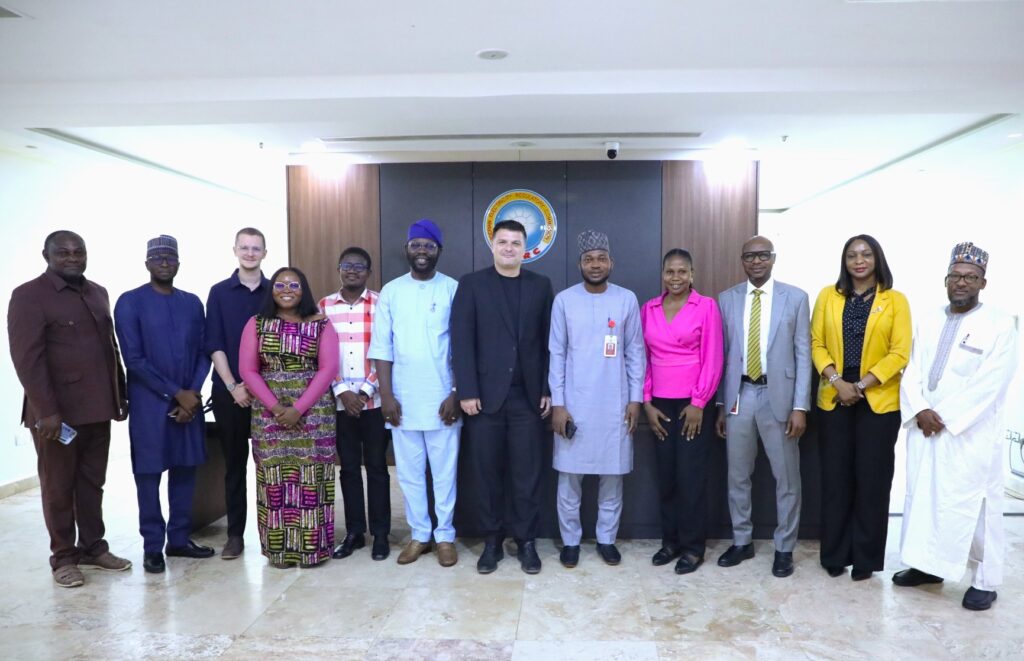
NERC Engages Fintech Firm on Payment Solutions
The NERC fintech collaboration power payments initiative follows a strategic engagement with eTranzact International Plc, a leading Nigerian fintech firm specializing in digital payment infrastructure.
Purpose of the Meeting
The visit by the fintech company to NERC’s headquarters in Abuja was aimed at:
-
Presenting innovative payment solutions
-
Exploring partnerships to improve electricity billing
-
Enhancing financial flows within the power sector
This engagement marks a step toward integrating modern financial technologies into Nigeria’s electricity ecosystem.
Leadership Commitment to Innovation
NERC Chairman Musiliu Oseni emphasized the Commission’s openness to adopting solutions that improve operational efficiency.
He reiterated that technology-driven systems can:
-
Simplify payment processes
-
Reduce revenue leakages
-
Strengthen market performance

How Fintech Can Transform Power Payments
The NERC fintech collaboration power payments strategy focuses on leveraging digital tools to address long-standing challenges in electricity billing and collection.
Addressing Payment Inefficiencies
Nigeria’s electricity sector has faced persistent issues such as:
-
Delayed payments by consumers
-
Revenue shortfalls for distribution companies
-
Weak liquidity across the value chain
Fintech solutions can help streamline these processes and ensure faster, more reliable transactions.
Digital Platforms for Consumers
One of the major highlights presented by eTranzact includes flexible payment systems designed for electricity users.
Pay-in-Installments Model
The proposed system allows consumers to:
-
Purchase electricity credits in instalments
-
Manage energy expenses more effectively
-
Avoid sudden financial strain
This approach could significantly improve payment compliance among consumers.
Integrated Billing and Settlement Systems
Other fintech tools introduced include:
-
Automated billing platforms
-
Real-time payment tracking systems
-
Centralized settlement infrastructure
These innovations are expected to enhance transparency and accountability within the sector.
Improving Liquidity in Nigeria’s Power Sector
Liquidity challenges remain one of the biggest obstacles in Nigeria’s electricity market, making the NERC fintech collaboration power payments initiative particularly significant.
Why Liquidity Matters
Liquidity refers to the availability of funds within the power sector to ensure smooth operations.
Poor liquidity can lead to:
-
Inability to maintain infrastructure
-
Delays in power generation and distribution payments
-
Reduced investor confidence
Role of Fintech in Liquidity Enhancement
Financial technology can improve liquidity by:
-
Ensuring faster payment cycles
-
Reducing transaction bottlenecks
-
Increasing revenue collection efficiency
With improved liquidity, the overall stability of the electricity market can be strengthened.
Alignment With Electricity Act 2023
The NERC fintech collaboration power payments initiative aligns with the broader regulatory framework guiding Nigeria’s electricity sector.
Key Objectives of the Act
The Electricity Act 2023 aims to:
-
Promote efficiency in the power sector
-
Encourage private sector participation
-
Enhance transparency and accountability
By embracing fintech solutions, NERC is working toward achieving these objectives.
Strengthening Regulatory Oversight
As the sector regulator, NERC is responsible for:
-
Monitoring electricity market operations
-
Ensuring compliance with policies
-
Protecting consumer interests
Adopting digital systems can improve oversight and data-driven decision-making.
Benefits for Electricity Consumers
The NERC fintech collaboration power payments initiative is expected to deliver several advantages to consumers.
More Flexible Payment Options
Consumers may benefit from:
-
Instalment-based electricity purchases
-
Multiple digital payment channels
-
Easier access to billing information
Improved Service Delivery
Better payment systems can lead to:
-
Faster issue resolution
-
Reduced billing disputes
-
More reliable electricity services
Opportunities for the Power Sector
The collaboration between NERC and fintech providers opens up new opportunities for growth and innovation.
Encouraging Private Sector Participation
Fintech companies can play a larger role in:
-
Supporting infrastructure development
-
Providing digital solutions for utilities
-
Enhancing customer engagement
Driving Digital Transformation
The initiative represents a broader shift toward digitalization in Nigeria’s energy sector.
Potential outcomes include:
-
Increased efficiency across the value chain
-
Better data management systems
-
Enhanced transparency in operations
Challenges to Consider
While the NERC fintech collaboration power payments plan offers promising benefits, certain challenges may arise.
Infrastructure Limitations
Issues such as:
-
Limited internet access in rural areas
-
Power supply inconsistencies
-
Technological adoption barriers
could affect implementation.
Consumer Awareness and Trust
For successful adoption, consumers must:
-
Understand how new systems work
-
Trust digital payment platforms
-
Be willing to transition from traditional methods
Future Outlook for Fintech in Electricity Payments
The NERC fintech collaboration power payments initiative signals a long-term strategy to modernize Nigeria’s power sector.
Potential Long-Term Impact
If successfully implemented, fintech solutions could:
-
Improve financial sustainability of the electricity market
-
Enhance investor confidence
-
Support national economic growth
Continued Collaboration
Both NERC and fintech stakeholders have expressed readiness to deepen their partnership, indicating that further developments are likely.
FAQ
What is the NERC fintech collaboration about?
It is an initiative to integrate financial technology solutions into Nigeria’s electricity sector to improve payment systems and liquidity.
How will fintech improve electricity payments?
Fintech can enable faster transactions, flexible payment options, and better revenue tracking.
What is the instalment payment system for electricity?
It allows consumers to pay for electricity in smaller amounts over time instead of upfront payments.
Why is liquidity important in the power sector?
Liquidity ensures that all participants in the electricity value chain can operate efficiently and maintain infrastructure.
Conclusion
The NERC fintech collaboration power payments initiative represents a significant step toward improving Nigeria’s electricity market through innovation and digital transformation. By integrating fintech solutions, the sector stands to benefit from enhanced efficiency, better revenue collection, and improved service delivery. While challenges remain, the collaboration offers a promising pathway toward a more sustainable and transparent power industry.