 0
0
 0
0
US mosques Ramadan charity support 2026 is providing crucial assistance to Muslim communities and families in need across the country. From offering free iftar meals to distributing food packages and financial aid, mosques are becoming essential lifelines for residents, particularly minorities and recently arrived refugees.
Daily Iftar as Community Support
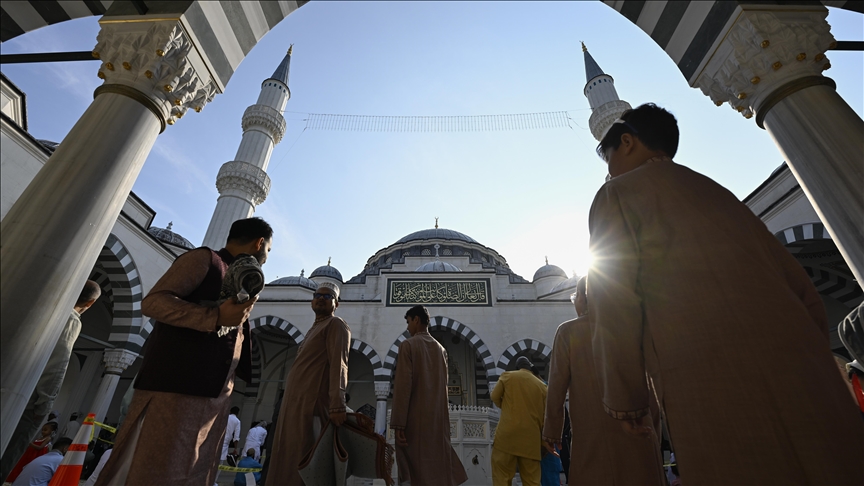
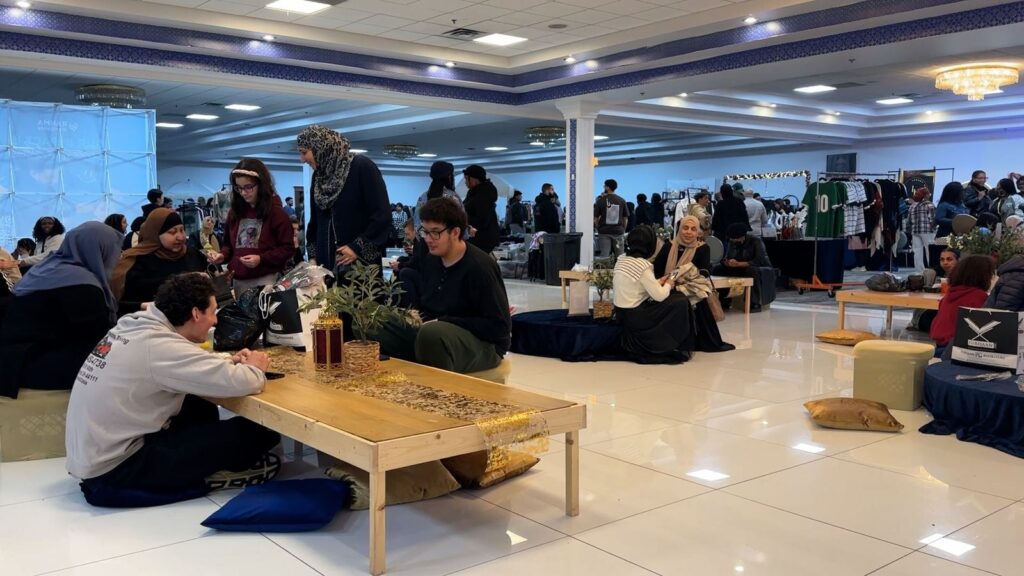
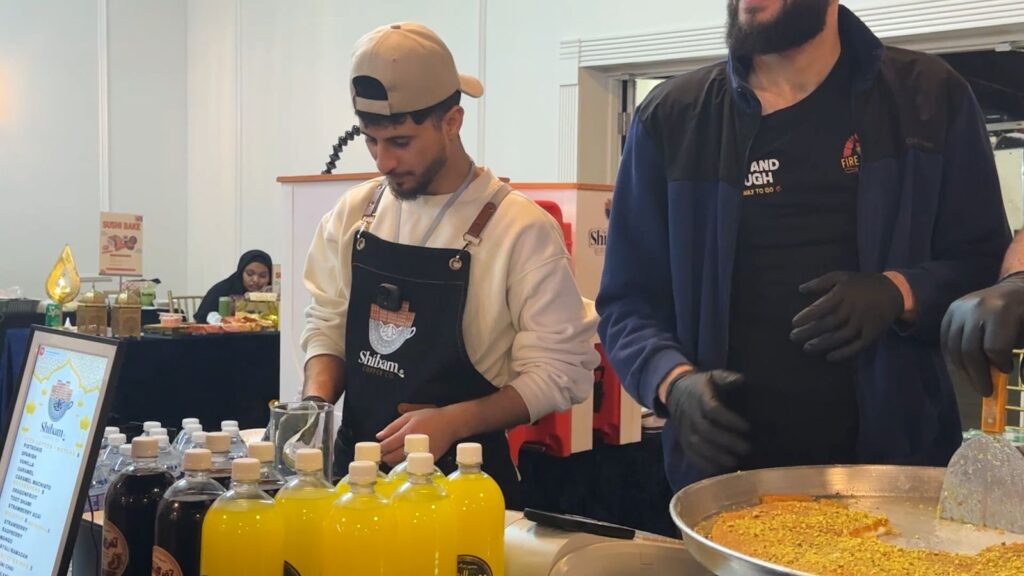
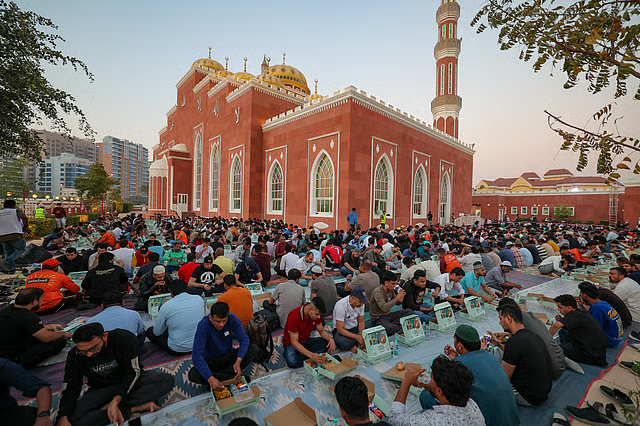
At mosques like the Imaam Center in Maryland, evenings during Ramadan are marked by communal iftar gatherings. Families arrive carrying trays of food, while volunteers prepare and serve hundreds of meals. The smell of lentils, rice, and dates fills the air as worshippers wait to break their fast.
Creating a Sense of Belonging
-
Shared meals foster kinship, unity, and community bonds
-
Provides social support for Muslims living as a minority in the US
-
Reinforces spiritual and cultural traditions
Hadi, the operations manager at the Imaam Center, highlights the importance of these gatherings: “During Ramadan, it’s the best time of the year, because people come to the masjid, eat together, and share in a sense of family and brotherhood.”
Ramadan and Zakat Giving
Charitable giving is central to Ramadan, with many Muslims practicing zakat, a required donation of 2.5% of accumulated wealth to support those in need.
Key Statistics
-
Muslim Americans contribute approximately $1.8 billion in zakat annually, with nearly 70% given during Ramadan
-
Total charitable contributions by Muslim Americans reach around $4.3 billion each year, with 85% staying in the US
-
Donations support meals, food packages, financial aid, and health services
At the Imaam Center, volunteers serve hundreds of people nightly, and donations collected during prayers help support urgent needs such as rent assistance for refugees or struggling families.
Expanding US Mosques Ramadan Charity Support Nationwide
The impact of US mosques Ramadan charity support extends beyond spiritual nourishment, offering practical assistance to low-income and refugee families. The rising cost of living in metropolitan areas like Washington, D.C., creates additional demand for aid. Many families, particularly newly arrived refugees, face challenges once short-term government support ends.
Practical Assistance
-
Distribution of over 160 food packages in partnership with Islamic Relief USA
-
Provision of staple items including lentils, cooking oil, tea, and dates
-
Free health clinics offering blood pressure checks and basic screenings
These initiatives ensure that Ramadan charity is both spiritual and practical, helping families meet daily necessities while fostering community support.
Volunteer Efforts and Community Engagement
Preparing and distributing meals is a community-driven effort. The Imaam Center hosts around 30 Quran study circles, or halakat, whose members rotate responsibilities for cooking and service.
Volunteer Responsibilities
-
Managing daily operations, from parking to facility maintenance
-
Coordinating meal preparation and distribution
-
Supporting families with financial or urgent aid requests
The collaborative environment strengthens bonds within the mosque community and promotes a sense of responsibility and inclusion.
Personal Stories: Community Impact
Salman, a convert to Islam, shares how Ramadan gatherings helped him feel included and connected. Initially drawn to Islam by observing the character of Muslims, he now sees the holy month as a time for spiritual reflection, growth, and charitable action.
Testimonials
-
“Every Ramadan you learn something new about yourself,” says Salman
-
“We’ve got to be together, you know?” – Hadi, reflecting on the community spirit
These stories illustrate that beyond physical assistance, Ramadan charity fosters emotional and spiritual wellbeing among participants.
Nationwide Charity Initiatives
Beyond individual mosques, national Muslim charities such as ICNA Relief USA expand services during Ramadan, operating food banks, medical clinics, and refugee support programs across multiple states.
Services Provided
-
Food and meal distribution for needy families
-
Health and wellness screenings
-
Financial and housing support for refugees and low-income households
The collaborative approach ensures that assistance reaches as many families as possible, reflecting the inclusive ethos of Ramadan.
A Lifeline of Faith and Generosity
US mosques Ramadan charity support goes beyond feeding the hungry—it strengthens community ties, provides crucial aid, and enhances the spiritual experience of the holy month.
Long-Term Benefits
-
Strengthened sense of community and belonging
-
Enhanced support for vulnerable populations
-
Promotion of interfaith cooperation and shared humanitarian values
By combining spiritual devotion with practical support, mosques across the US ensure that Ramadan continues to be a powerful time of generosity, learning, and connection.
FAQ
How do US mosques support families during Ramadan?
Mosques provide free iftar meals, food packages, financial aid, and health services to families and individuals in need.
What is the role of zakat in Ramadan charity?
Zakat is a required form of almsgiving, typically 2.5% of accumulated wealth, often given during Ramadan to support the needy.
Which national organizations assist mosques during Ramadan?
Organizations like ICNA Relief USA and Islamic Relief USA provide food, medical care, and support for refugees and low-income families.
How does Ramadan charity strengthen communities?
Charity fosters a sense of unity, belonging, and support among Muslims, particularly for minorities and newly arrived residents.
Conclusion
US mosques Ramadan charity support 2026 highlights the essential role of faith-based initiatives in providing aid, fostering community, and enhancing spiritual practice. Through meals, financial assistance, and volunteer engagement, mosques across the US serve as lifelines, ensuring that the values of generosity, compassion, and solidarity remain central to Ramadan.
PLEASE CLICK HERE FOR MORE NEWS