


 0
0
 0
0
Israel kills Iranian top official 2026 Ali Larijani, secretary of Iran’s Supreme National Security Council (SNSC), in what the Israeli military describes as a precise airstrike near Tehran. The announcement, made on March 17, 2026, marks a significant escalation in the ongoing US-Israel-Iran conflict. Tehran has not yet confirmed the reports.
Israeli Military Confirms Strike
Precision Airstrike Details
The Israeli Defense Forces (IDF) released a statement confirming the strike:
-
Conducted on March 17, 2026, near Tehran
-
Carried out by the Israeli Air Force using integrated operational capabilities
-
Targeted Ali Larijani, described as “the de facto leader” of the Iranian regime
Israel kills Iranian top official 2026 Larijani as part of a broader campaign targeting senior Iranian figures. The statement emphasized intelligence-driven planning and operational precision.
Previous Targeted Operations
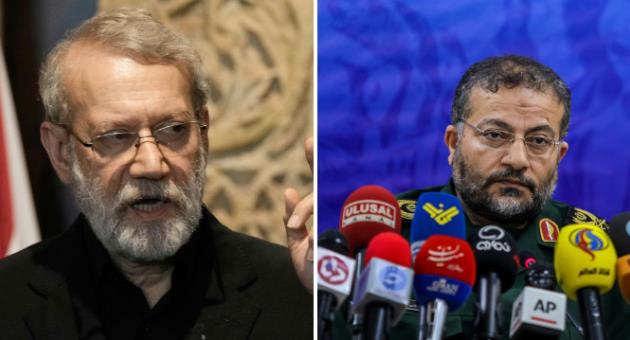
Israel had recently carried out another high-profile operation, targeting Gholamreza Soleimani, Commander of the Basij unit of the Islamic Revolutionary Guard Corps (IRGC). The coordinated strikes reflect Israel’s ongoing strategy to neutralize senior Iranian military and political figures amid escalating regional tensions.
Statements from Israeli Officials
Israeli Defense Minister Israel Katz provided additional context, highlighting Larijani’s significance:
-
Larijani emerged as one of Iran’s key leaders during the current conflict
-
The strike eliminated both Larijani and the Basij commander
-
Katz described the operation as part of ongoing efforts against the so-called “axis of evil”
Israel kills Iranian top official 2026 Larijani, underscoring Israel’s readiness to conduct precise strikes against perceived threats.
Iranian Response and Uncertainty
Tehran Remains Silent
As of the announcement, Iran has neither confirmed nor denied the assassination reports. This silence fuels speculation and uncertainty about the internal Iranian response and potential retaliatory actions.
Larijani’s X Account Activity
Minutes after Katz’s statement, Ali Larijani’s X account shared a handwritten letter honoring members of the Iranian Navy. Notably, the post does not address the assassination reports, leaving observers unclear about Larijani’s status.
Background on Ali Larijani
Political and Military Career
Ali Larijani, a senior Iranian politician and former IRGC officer, has held several key positions:
-
Secretary of the SNSC (2005–2007), Iran’s chief negotiator on national security and nuclear issues
-
Advisor to the late Supreme Leader Ayatollah Ali Khamenei
-
Appointed in August 2025 as one of Khamenei’s personal representatives to the SNSC
Role in Current Conflict
Larijani became a central figure in Iran’s national security during recent military escalations, making him a high-value target. Israel kills Iranian top official 2026 Larijani as a critical measure to disrupt Iran’s leadership structure.
Regional Implications of the Strike
Escalation Risks
The reported killing of Larijani could heighten tensions across the Middle East, particularly:
-
Increased risk of retaliatory strikes from Iran
-
Potential escalation of the US-Israel-Iran conflict
-
Heightened alert levels for neighboring countries, including Iraq and Lebanon
International Reactions
Global leaders are closely monitoring the situation. While Israel frames the strike as a defensive measure, analysts warn that further targeted operations could destabilize the region further.
Timeline of Key Events
-
August 2025: Larijani appointed as Khamenei’s representative to SNSC
-
March 17, 2026: Israeli military announces airstrike near Tehran
-
Post-strike: Larijani’s X account shares a letter honoring Iranian Navy members
-
March 2026 onwards: Iran has yet to officially respond
Related Facts and Context
-
Larijani’s previous roles in nuclear negotiations make him a high-profile figure internationally
-
The strike follows Israel’s pattern of precision targeting of Iranian officials in the past decade
-
Observers note that such operations are likely to provoke both domestic and international reactions
Potential Scenarios Moving Forward
-
Iran may issue official confirmation or denial in the coming days
-
Retaliatory attacks on Israeli or allied interests are possible
-
Diplomatic efforts may intensify to prevent a broader regional conflict
Possible Responses
-
Increased military readiness in Iran and Israel
-
Calls for emergency sessions at the UN or other diplomatic channels
-
Strategic recalibration by US and regional allies
Summary
Israel kills Iranian top official 2026 Ali Larijani, signaling a serious escalation in the ongoing conflict. With Tehran yet to respond, the operation underscores the fragile security environment in the Middle East and the potential for wider repercussions. Analysts continue to assess both the immediate and long-term implications for regional stability and international relations.
FAQ
Q1: Who is Ali Larijani and why was he targeted?
A1: Ali Larijani is the Secretary of Iran’s Supreme National Security Council, a former IRGC officer, and advisor to the late Supreme Leader Ayatollah Ali Khamenei. He was targeted due to his strategic role in national security and nuclear affairs.
Q2: Has Iran confirmed Ali Larijani’s death?
A2: As of March 17, 2026, Iran has not confirmed or denied reports of Larijani’s assassination.
Q3: What was the significance of Israel’s March 17, 2026 airstrike?
A3: The strike eliminated a high-ranking Iranian official and signals an escalation in the US-Israel-Iran conflict, raising concerns of retaliatory actions and regional instability.
Q4: How might this affect Middle East security?
A4: The operation could heighten tensions, provoke retaliation, and prompt diplomatic or military responses from Iran and its allies, potentially destabilizing the region further.
Conclusion
The reported killing of Ali Larijani highlights the fragile dynamics in the Middle East, where strategic strikes carry significant geopolitical risks. While Israel emphasizes national security objectives, the absence of confirmation from Tehran keeps the situation uncertain. Observers and international leaders will continue to monitor developments closely for potential escalation or diplomatic intervention.
PLEASE CLICK HERE FOR MORE NEWS


[…] Gholamreza Soleimani Basij commander profile illustrates the career of a key figure in Iran’s military and internal security […]