 0
0
 0
0
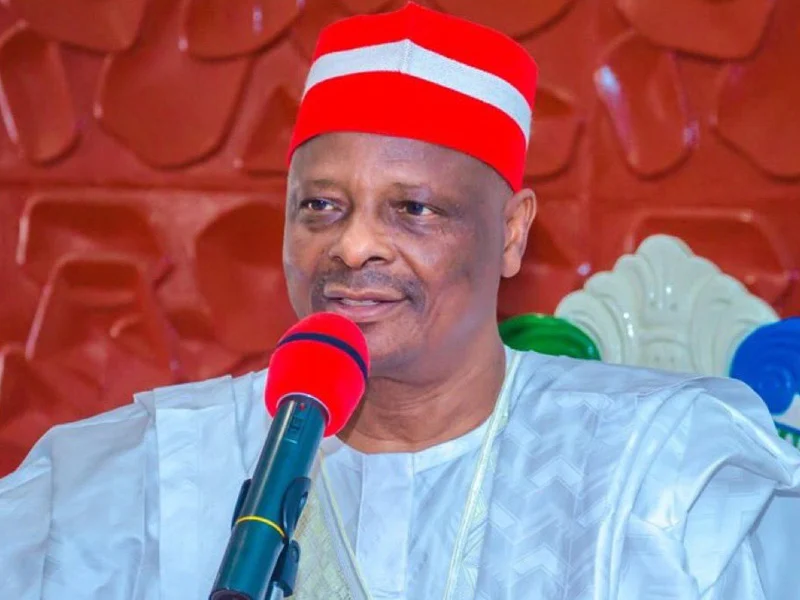
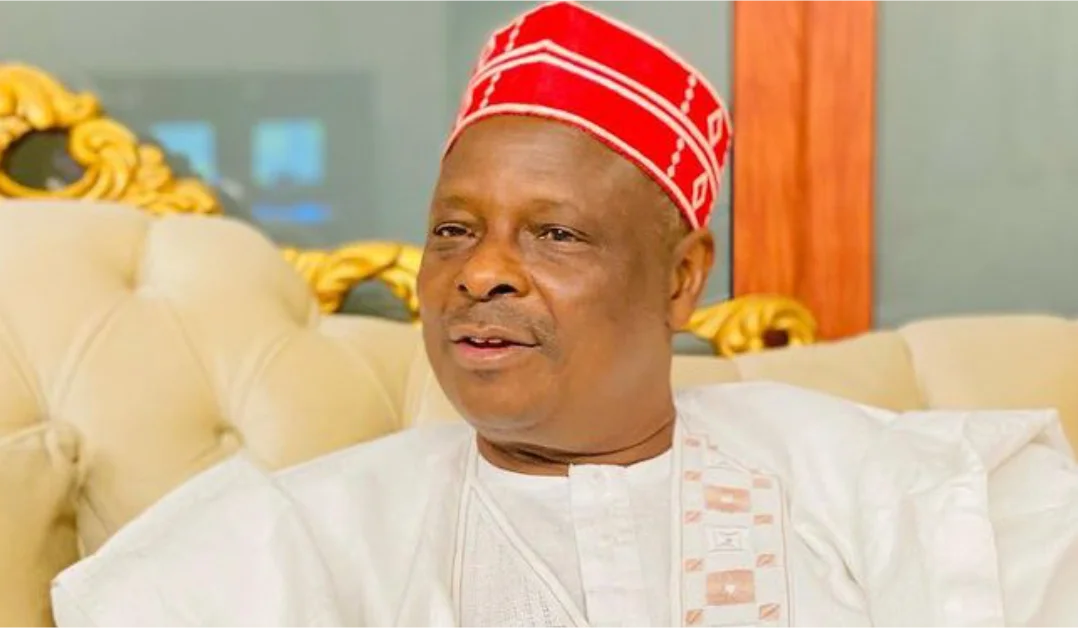
The Kwankwaso NDC exit rumours denied by party officials have sparked fresh discussions within Nigeria’s political landscape as preparations for future elections continue. The Nigeria Democratic Congress (NDC) has firmly rejected reports suggesting that Senator Rabiu Kwankwaso threatened to leave the party over disagreements linked to candidate selection and internal arrangements in Kano State.
Party leaders described the reports as inaccurate and politically motivated, insisting that there was no threat by Kwankwaso to abandon the party. The clarification comes amid growing public interest in the NDC’s internal structure and political strategy ahead of the 2027 election cycle.
The controversy emerged following reports alleging dissatisfaction within the party after adjustments were made to a list of nominees connected to the Kwankwasiyya movement in Kano State.
NDC Rejects Claims of Internal Crisis
The Nigeria Democratic Congress has moved to counter narratives suggesting a growing rift between party leaders and Senator Rabiu Kwankwaso.
Speaking during a television interview, the party’s National Publicity Secretary stated that reports linking Kwankwaso to plans to leave the party were unfounded.
According to the party spokesman, such reports were based on speculation rather than facts and were being circulated to create a false impression of instability within the NDC.
Party Insists Kwankwaso Remains Committed
The NDC maintained that Kwankwaso has remained committed to the party and has not expressed intentions to leave.
Officials stressed that no formal or informal communication indicating a planned departure had been received by the party leadership.
The clarification was intended to reassure party supporters and members following days of speculation surrounding developments in Kano State.
Response to Media Reports
The party argued that some reports were driven by political interests seeking to portray internal disagreements as a major crisis.
According to NDC officials, political organizations frequently experience debates and discussions regarding candidate selection and party administration without such issues resulting in defections.
The party emphasized that internal disagreements should not automatically be interpreted as evidence of division.
What Triggered the Controversy?
The Kwankwaso NDC exit rumours denied by party officials appear to have originated from discussions surrounding changes to the party’s candidate nominations in Kano State.
Reports indicated that some nominees initially associated with the Kwankwasiyya movement were replaced during a review process conducted by party authorities.
The development generated political debate and led to speculation about possible dissatisfaction among supporters of the movement.
Candidate List Adjustments in Kano
According to party sources, adjustments were made to ensure compliance with an existing political arrangement involving different blocs within the party structure in Kano State.
The changes reportedly affected a number of nominations and elective ticket allocations.
Party officials insisted that the decisions were made in accordance with previously agreed principles rather than personal or political disputes.
Understanding the Kano Political Structure
Kano remains one of Nigeria’s most politically influential states due to its large voting population and active political engagement.
As a result, political parties often pay significant attention to maintaining balance among various interest groups operating within the state.
Analysts note that internal negotiations over positions and representation are common features of party politics in Kano and across the country.
The Role of the Kwankwasiyya Movement
The Kwankwasiyya movement has remained one of the most recognizable political structures associated with Rabiu Kwankwaso.
Over the years, the movement has built a strong support base, particularly in Kano State and parts of northern Nigeria.
Its influence continues to play a significant role in discussions surrounding political alliances and party organization.
Background of the Political Movement
The movement emerged during Kwankwaso’s years in public office and has since developed into a broad political network.
Supporters are often involved in political mobilization, grassroots engagement, and campaign activities.
The group’s organizational strength has made it an important stakeholder within any political coalition involving Kwankwaso.
Influence Within the NDC
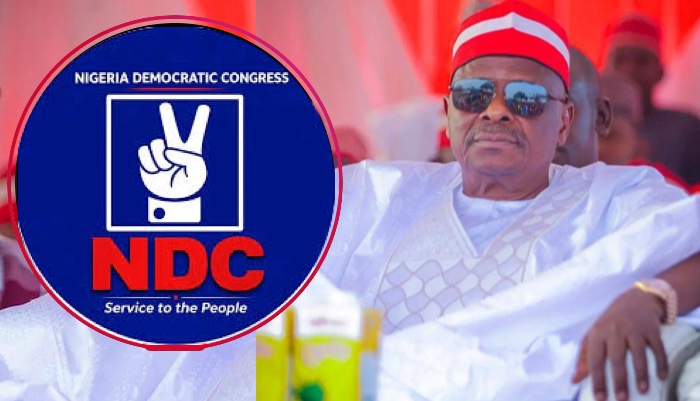
Since aligning with the NDC, the Kwankwasiyya bloc has become one of the party’s major political forces.
Political observers have noted that maintaining cooperation between the movement and other party structures remains important for overall party unity.
The recent discussions surrounding nominations have therefore attracted significant public attention.
Power-Sharing Arrangement Explained
One of the central issues in the controversy involves an existing power-sharing arrangement reportedly agreed upon by stakeholders within the Kano chapter of the party.
According to documents cited in reports, positions and elective tickets were allocated using a formula designed to balance representation among different groups.
Reported Allocation Formula
Under the reported arrangement:
- Kwankwasiyya bloc receives 60 percent of positions and tickets
- Existing NDC structure receives 40 percent of positions and tickets
- Candidate selections are expected to reflect the agreed balance
- Adjustments may be made to maintain the distribution framework
Party leaders indicated that recent changes were intended to preserve this understanding.
Why Political Agreements Matter
Power-sharing agreements are often used within political parties to reduce tensions and encourage cooperation among different factions.
Such arrangements can help:
- Promote inclusiveness
- Reduce internal disputes
- Strengthen party unity
- Encourage broader participation
- Support electoral preparations
Political analysts note that similar frameworks exist in many political organizations across Nigeria.
Kwankwaso’s Position in the Party
Rabiu Kwankwaso remains one of the most prominent figures within the NDC and continues to attract attention due to his political influence.
The former Kano State governor has played key roles in various political developments over the years and remains a significant voice within national politics.
Political Experience and Influence
Kwankwaso’s political career includes:
- Service as Governor of Kano State
- Membership in the National Assembly
- Ministerial experience
- Leadership of a large political movement
- Participation in presidential politics
His political standing has contributed to continued interest in developments involving him and the NDC.
Looking Ahead to 2027
Although attention is increasingly turning toward the 2027 general elections, party officials insist that current discussions should not be interpreted as signs of instability.
Instead, they argue that organizational adjustments are part of the normal process of party administration and political preparation.
The NDC has continued to emphasize unity as it positions itself for future political contests.
Reactions to the Rumours
Political observers have offered different interpretations of the reports and the party’s response.
Some view the clarification as an effort to reassure supporters and maintain confidence in the party’s leadership structure.
Others see the situation as evidence of the intense political maneuvering that often accompanies preparations for major elections.
Importance of Party Stability
Maintaining internal cohesion is generally regarded as essential for political parties seeking electoral success.
Stable party structures often provide:
- Stronger campaign coordination
- Better grassroots engagement
- Consistent policy messaging
- Improved candidate management
For this reason, parties frequently move quickly to address reports that could create uncertainty among supporters.
Public Interest in Political Developments
The attention surrounding the Kwankwaso NDC exit rumours denied by party officials highlights the growing public interest in political realignments ahead of future elections.
As political activities continue to evolve, party decisions and leadership relationships are likely to remain closely monitored by supporters and analysts alike.
FAQ
Did Rabiu Kwankwaso threaten to leave the NDC?
According to the NDC’s National Publicity Secretary, Kwankwaso never threatened to leave the party, and reports suggesting otherwise were described as speculation.
Why were there rumours about Kwankwaso leaving the NDC?
The rumours emerged after adjustments were made to candidate nominations in Kano State, leading to speculation about possible disagreements within the party.
What is the Kwankwasiyya movement?
The Kwankwasiyya movement is a political bloc associated with Rabiu Kwankwaso and remains one of the most influential political groups in Kano State and parts of northern Nigeria.
What is the reported power-sharing arrangement in Kano?
Reports indicate that the arrangement allocates 60 percent of party positions and tickets to the Kwankwasiyya bloc and 40 percent to the existing NDC structure in Kano State.
The NDC’s rejection of reports linking Rabiu Kwankwaso to plans to leave the party reflects ongoing efforts to maintain unity and stability within its ranks. While discussions surrounding candidate nominations and political arrangements continue, party leaders insist that speculation about a looming split does not reflect the current reality. As attention shifts toward future elections, developments within major political parties are expected to remain a key focus of national political discourse.
Click here for more news