 0
0
 0
0
The Israel Lebanon ceasefire civilian return warning has raised fresh concerns after the Israeli military instructed residents not to return to parts of southern Lebanon, despite an extended ceasefire agreement. The directive highlights ongoing tensions and security risks in the region.
Israeli Army Issues Civilian Movement Restrictions
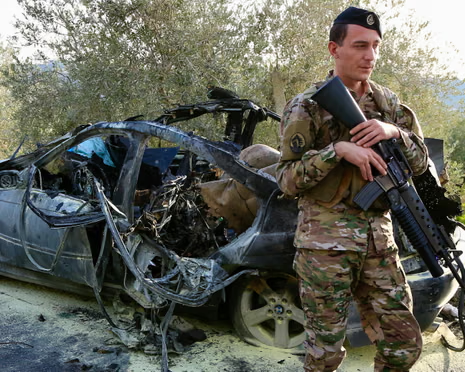
The Israeli military announced that civilians should avoid returning to several areas in southern Lebanon due to continued military activity.
A military spokesperson outlined specific locations where access remains restricted, including:
- The Litani River area
- The Salhani Valley
- The Saluki region
More than 50 villages were reportedly included in the warning, indicating a broad geographic scope.
Reason for Continued Restrictions
According to military statements, the restrictions are linked to:
- Ongoing operational activity
- Security concerns in sensitive zones
- Risks posed by unexploded ordnance or active threats
Despite the ceasefire, authorities suggest that the situation on the ground remains unstable.
Communication Through Official Channels
The warning was communicated publicly through official statements, aiming to inform displaced civilians and prevent potential casualties.
Residents have been urged to wait for further updates before attempting to return to their homes.
Ceasefire Extension Amid Continued Tensions
The Israel Lebanon ceasefire civilian return warning comes shortly after an agreement to extend the ceasefire between both sides.
Timeline of the Ceasefire Agreement
Recent developments include:
- A 10-day truce initially announced on April 16
- Extension of the ceasefire by three weeks
- High-level negotiations held in Washington
The extension was intended to reduce hostilities and allow for stability in affected areas.
Role of International Mediation
The ceasefire extension followed diplomatic efforts involving international actors.
Negotiations reportedly took place at the White House, where discussions focused on maintaining calm and preventing further escalation.
Reports of Continued Military Activity
Despite the ceasefire, there have been reports of ongoing military actions in southern Lebanon.
Overnight Strikes in Multiple Areas
The Israeli military stated that it carried out strikes in three different locations overnight.
According to official claims, the targets included:
- Rocket launchers
- Positions associated with Hezbollah
These operations suggest that hostilities have not fully ceased on the ground.
Artillery Fire in Houla
Local sources reported that the town of Houla, located in the Marjayoun area, experienced artillery fire.
Such incidents contribute to uncertainty among civilians and complicate efforts to restore normal life.
Impact on Displaced Civilians
The Israel Lebanon ceasefire civilian return warning directly affects thousands of displaced individuals.
Living Conditions in Temporary Camps
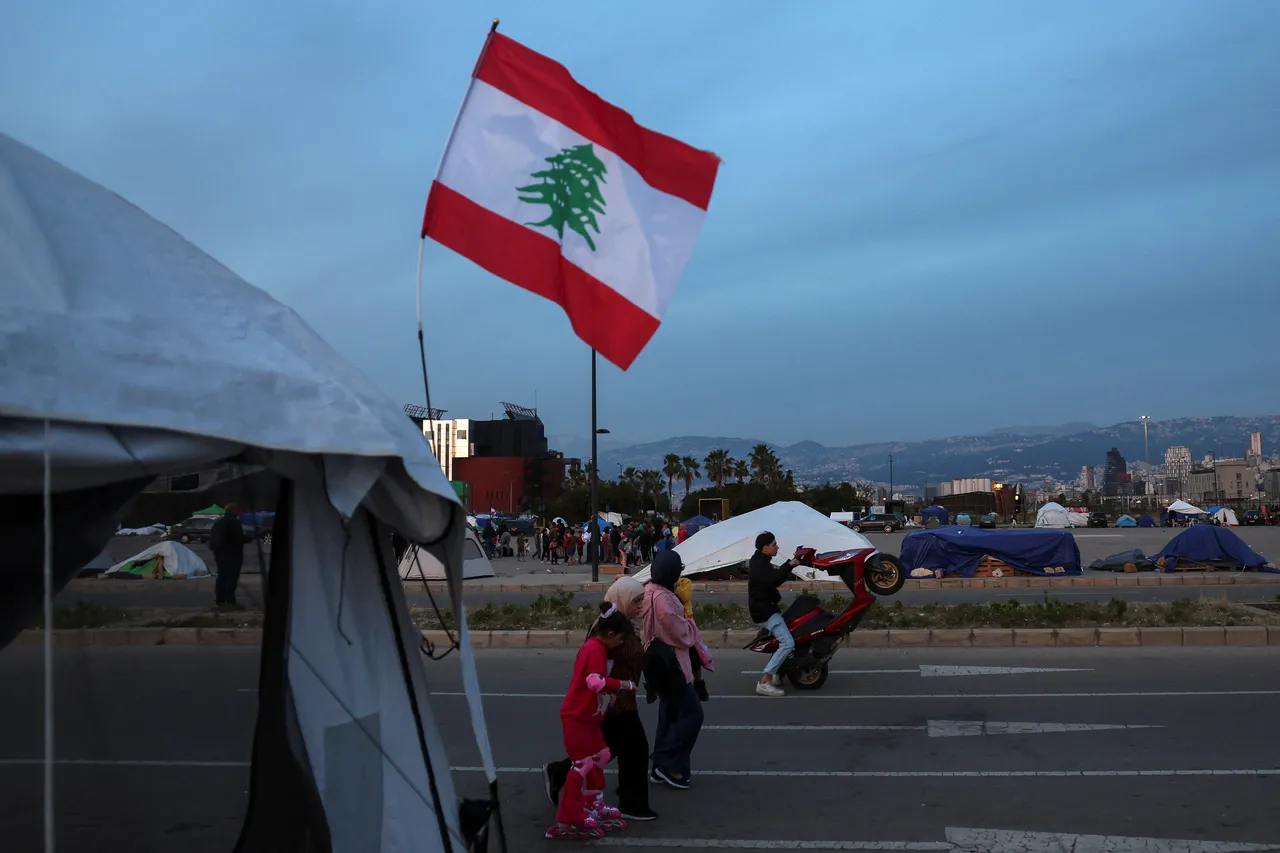
Many residents remain in temporary shelters or makeshift encampments.
Challenges faced by displaced populations include:
- Limited access to basic services
- Uncertainty about return timelines
- Psychological stress from ongoing conflict
These conditions highlight the humanitarian dimension of the situation.
Hesitation to Return Home
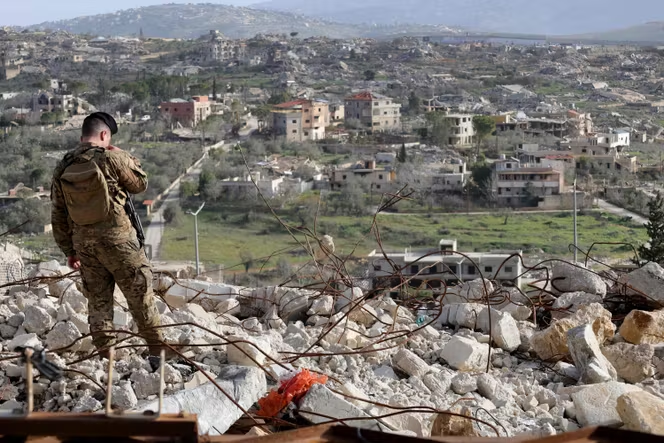
Even with a ceasefire in place, many civilians are reluctant to return due to:
- Safety concerns
- Reports of continued strikes
- Lack of clear security guarantees
The military warning reinforces these fears.
Strategic Importance of Southern Lebanon
Southern Lebanon has long been a focal point of tensions between Israel and armed groups in the region.
Presence of Armed Groups
The area is known for the presence of Hezbollah, which has been involved in past conflicts with Israel.
Military activity in the region often targets:
- Weapon storage sites
- Launch positions
- Infrastructure linked to armed groups
Geographic Significance
Key locations such as the Litani River hold strategic importance due to their proximity to the border and their role in past agreements.
Control and monitoring of these areas are critical for both security and political considerations.
Challenges in Maintaining the Ceasefire
The Israel Lebanon ceasefire civilian return warning reflects the difficulties in sustaining ceasefire agreements.
Repeated Violations
There have been reports that the initial truce announced earlier in April was not fully upheld.
Factors contributing to violations may include:
- Ongoing military objectives
- Lack of trust between parties
- Rapid escalation of localized incidents
Fragility of Temporary Agreements
Temporary ceasefires often face challenges such as:
- Limited enforcement mechanisms
- Differing interpretations of terms
- External influences on the conflict
These issues can lead to continued instability even during agreed pauses in fighting.
Regional and Global Implications
The situation in southern Lebanon has implications beyond the immediate area.
Impact on Regional Stability
Continued tensions may affect neighboring regions and contribute to broader instability in the Middle East.
Key concerns include:
- Escalation into wider conflict
- Increased displacement of civilians
- Strain on humanitarian resources
International Attention and Response
Global actors continue to monitor developments closely, particularly in light of recent diplomatic efforts.
Maintaining the ceasefire is seen as crucial for preventing further escalation.
FAQ
Why did Israel warn civilians not to return to southern Lebanon?
The warning was issued due to ongoing military operations and security risks in certain areas, despite the ceasefire.
Which areas are affected by the return restrictions?
The restrictions include regions near the Litani River, Salhani Valley, Saluki, and over 50 surrounding villages.
Has the ceasefire between Israel and Lebanon been extended?
Yes, the ceasefire was extended by three weeks following recent negotiations, though tensions remain.
Are there still attacks happening despite the ceasefire?
Reports indicate that strikes and artillery fire have continued in some areas, raising concerns about the stability of the agreement.
Conclusion
The Israel Lebanon ceasefire civilian return warning underscores the fragile nature of the current truce. While diplomatic efforts have extended the ceasefire, ongoing military activity and security concerns continue to affect civilians and delay their return home. The situation remains fluid, with stability dependent on sustained cooperation and adherence to agreements.
Click here for more news