 0
0
 0
0
The Indonesia GenZ protests crackdown continues to shape political discussions across the country following a wave of demonstrations, arrests, and security operations that intensified in 2025. The protests, which spread rapidly through social media platforms and grassroots networks, reflected growing frustration among young Indonesians over governance, economic pressures, and political representation.
What began as online mobilisation soon developed into nationwide demonstrations involving students, activists, labour groups, and urban youth communities. The aftermath has left many organisations reassessing their strategies, security structures, and long-term political goals.
How the Indonesia GenZ Protests Escalated
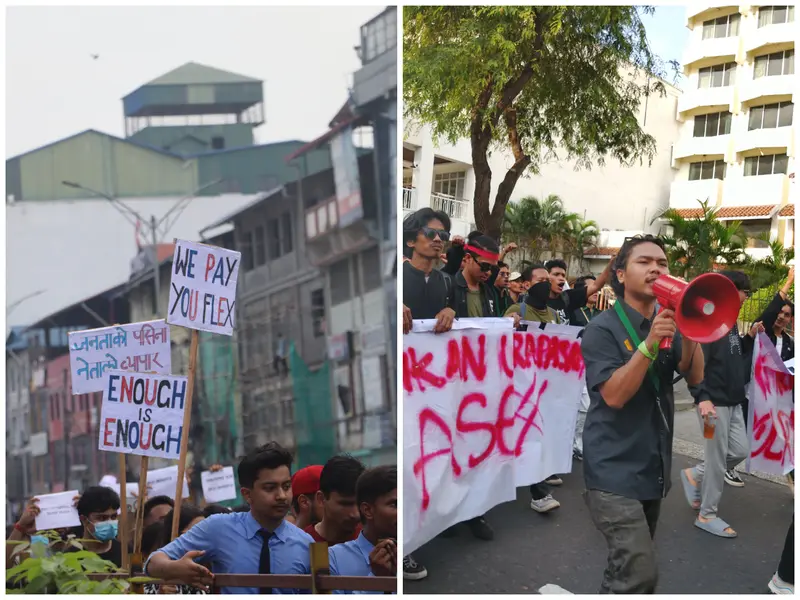
The demonstrations that emerged in Indonesia during August last year quickly expanded into multiple cities. Protest organisers and participants relied heavily on digital communication platforms, especially TikTok and X, to coordinate gatherings and spread information.
According to members of activist collectives involved in the movement, online broadcasts and viral content accelerated mobilisation faster than traditional organising methods.
Social Media Played a Central Role
Digital platforms became one of the primary tools used during the protests. Livestreams and viral videos reportedly encouraged people in different regions to join demonstrations within hours.
Observers noted several factors that contributed to the speed of mobilisation:
- Widespread use of short-form video platforms
- Rapid circulation of protest footage
- Online campaigns amplifying public anger
- Youth-driven digital communication networks
The “Dark Indonesia” online campaign also gained traction before the protests intensified, helping attract attention to economic and political concerns raised by demonstrators.
Clashes and Security Crackdowns Followed
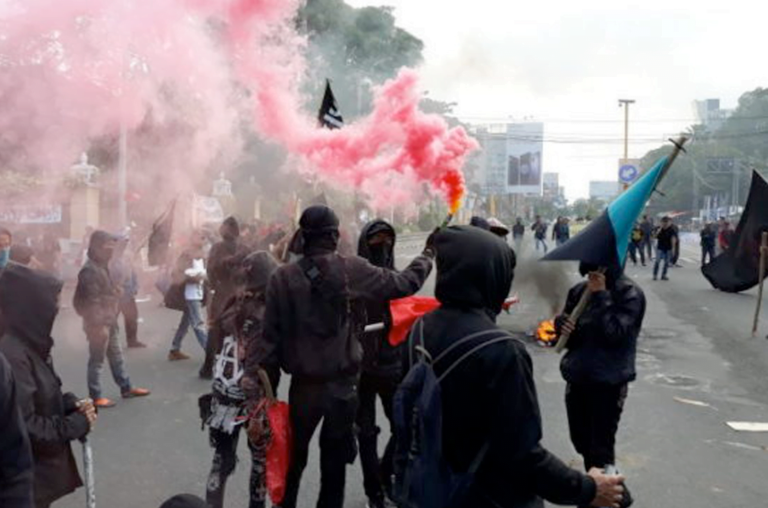
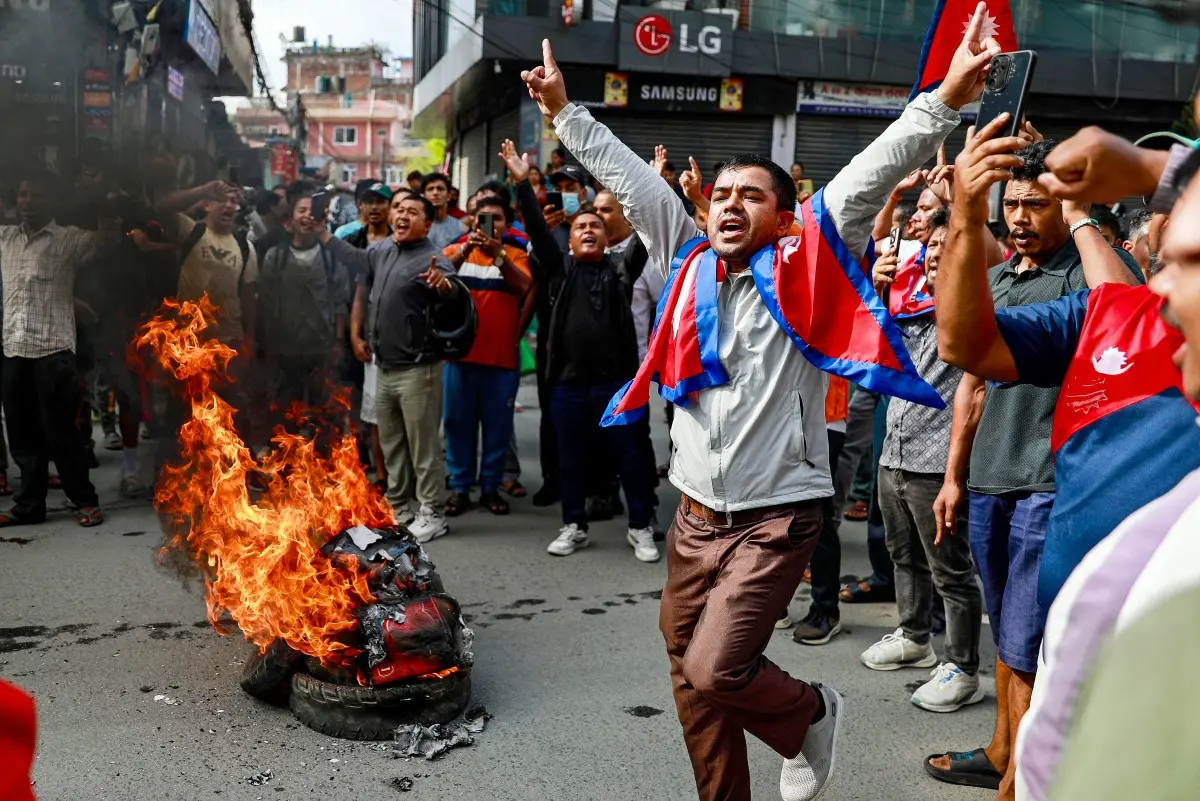
As protests expanded, clashes between demonstrators and security forces were reported in several cities. Authorities later carried out arrests targeting activists and protest participants.
According to activist accounts, concerns grew after incidents involving violent confrontations and alleged excessive force by security personnel. Protest networks also claimed that individuals linked to anarchist and left-wing movements were among the first targeted during the crackdown.
The Indonesia GenZ protests crackdown became one of the most discussed political developments among youth organisations and activist communities.
Growing Debate Around Protest Organisation
The protests also sparked wider debate about how political movements are structured in Indonesia. Some organisers argued that rapid mobilisation exposed weaknesses in communication and coordination between cities.
Challenges in Coordination
Several activist groups admitted that information-sharing systems were not fully prepared for demonstrations on such a large scale.
Common challenges reportedly included:
- Lack of secure communication networks
- Limited coordination between cities
- Difficulty verifying information during protests
- Inconsistent digital security practices
These issues became more visible after arrests began following the demonstrations.
Shift Toward Stronger Security Measures
Since the protests, many groups have reportedly focused on improving both physical and digital security. Activists say there is now greater emphasis on disciplined coordination and risk assessment.
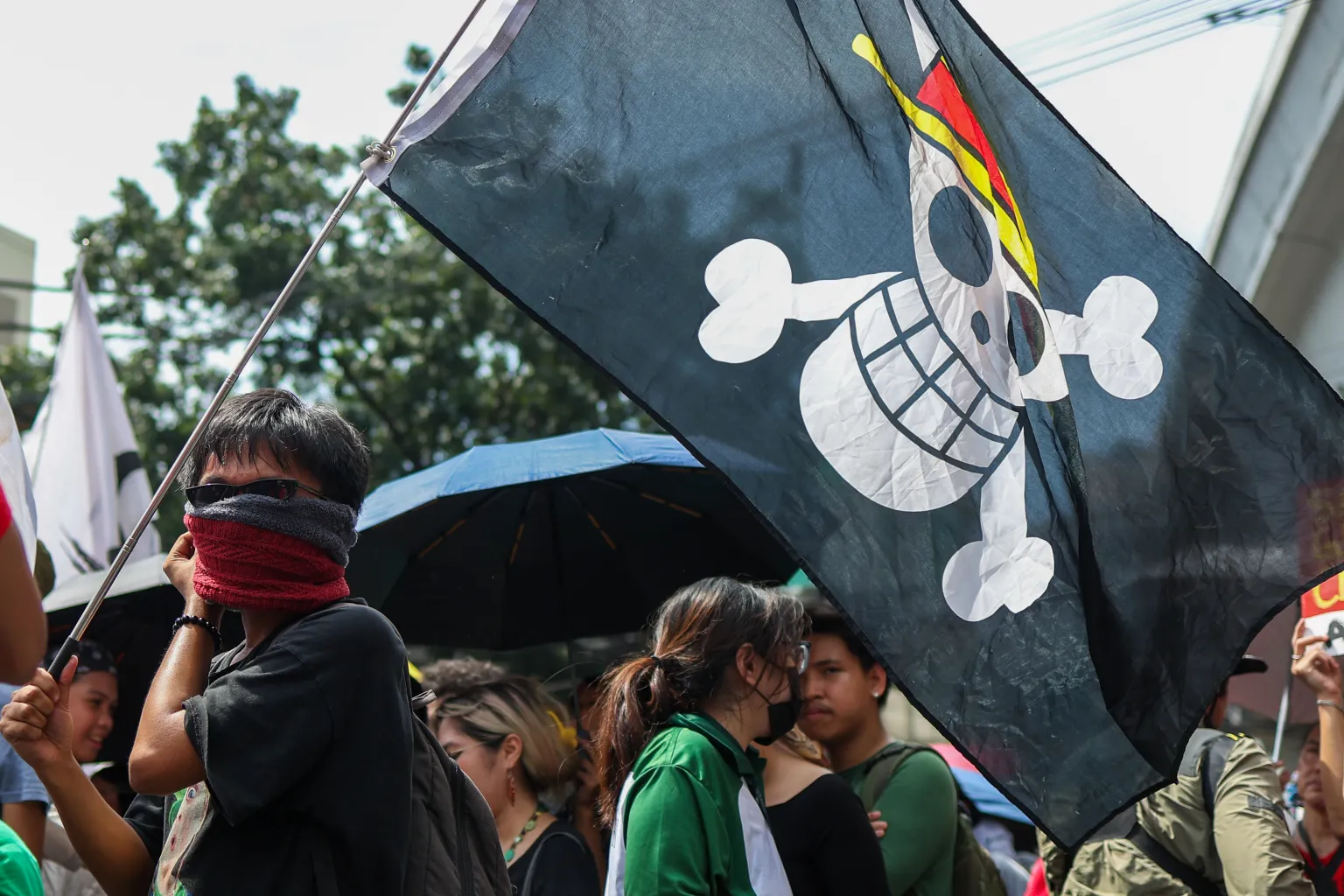
Some organisations also reduced the use of highly visible political symbols in public activities. This strategy was reportedly aimed at avoiding immediate identification by authorities while continuing community-based organising.
Evolution of Indonesia’s Youth Movements
The Indonesia GenZ protests crackdown is also linked to broader changes in Indonesian youth activism over the last decade.
Earlier Protest Waves Influenced Current Movements
Large demonstrations in 2019 and 2020 helped shape current protest tactics and political awareness among younger activists. Those earlier movements included opposition to labour legislation and concerns about economic reforms.
Street demonstrations during that period saw the emergence of:
- Student-led networks
- Community aid groups
- Volunteer medical teams
- Urban activist collectives
Many of these networks later became involved in more recent protests.
Online Culture and Political Identity
Activists say youth political culture in Indonesia has evolved alongside internet communities, music scenes, and independent publishing networks.
Political discussions among young Indonesians increasingly spread through:
- Online forums
- Music subcultures
- Community libraries
- Independent media channels
This environment helped introduce alternative political ideas to broader audiences, especially in urban areas.
Community Organising Beyond Street Protests
Some activist collectives have shifted their attention toward local organising projects instead of relying only on demonstrations.
Building Local Community Networks
Groups involved in grassroots activism say they are focusing more on neighbourhood-level organising and social projects.
These efforts include:
- Public education initiatives
- Community cooperatives
- Urban support networks
- Anti-gentrification campaigns
Organisers argue that long-term community structures may create more sustainable forms of political participation.
Economic and Social Initiatives Expanding
Several organisations have reportedly developed projects centered on economic independence and local support systems.
Their goals include:
- Supporting small businesses
- Strengthening local communities
- Expanding public learning spaces
- Assisting vulnerable residents
Activists involved in these projects believe social organisation at the community level can strengthen resilience during periods of political tension.
Impact of Arrests and Surveillance on Activist Networks
The Indonesia GenZ protests crackdown also intensified discussions surrounding surveillance and state monitoring of political movements.
Activists Adjusted Public Strategies
Following waves of arrests connected to earlier protests in 2019 and 2020, some groups changed how they operated publicly.
According to activist accounts, organisations began:
- Reducing visible political branding
- Focusing more on local community identity
- Expanding outreach beyond university circles
- Building broader coalitions with labour and urban groups
These changes were reportedly designed to reduce vulnerability to repression while maintaining organisational activities.
Debate Over Political Symbols
Some organisers said there has been growing debate over the use of ideological symbols during demonstrations.
Critics argued that highly recognisable symbols could make activists easier targets for surveillance and arrests. Others believed maintaining symbolic identity remained important for political clarity.
As a result, several groups reportedly adopted locally focused identities connected to their communities rather than broader ideological labels.
Urban Issues Becoming Central to Activism
Housing, urban displacement, and rising living costs are increasingly becoming major issues within Indonesian protest movements.
Anti-Gentrification Campaigns Growing
In cities such as Jakarta, activist groups have reportedly organised around concerns involving displacement and urban redevelopment.
Campaigns have focused on:
- Housing rights
- Protection of low-income communities
- Public space access
- Community preservation
Some organisers describe these struggles as long-term efforts tied closely to economic inequality and urban planning.
Youth Economic Pressures Increasing
Economic concerns remain one of the major drivers behind Indonesia’s recent protest movements.
Young Indonesians continue facing challenges such as:
- High tuition costs
- Limited job opportunities
- Rising urban expenses
- Economic uncertainty
Activists say these conditions have contributed to frustration among students and urban youth communities.
Student Movements Facing New Challenges
Several organisers believe student activism has changed significantly compared to previous decades.
Universities No Longer Central Hubs
Some activist groups argue universities are becoming less effective as organising centers due to financial pressures and changing student lifestyles.
Factors affecting student participation reportedly include:
- Heavy academic workloads
- Economic stress on families
- Increased reliance on digital communication
- Reduced physical gathering spaces
Activists say online engagement has partially replaced in-person organising, though opinions remain divided on whether this weakens long-term movement building.
Youth Activism Continues to Evolve
Despite challenges, many observers believe Indonesia’s younger generation remains politically active and highly engaged online.
Digital activism, community projects, and grassroots organising continue developing across multiple regions, particularly in urban centers on the island of Java.
The Indonesia GenZ protests crackdown has become part of a broader conversation about political participation, security measures, and the future of youth activism in Southeast Asia.
FAQ
What caused the Indonesia GenZ protests crackdown?
The crackdown followed widespread protests involving students, activists, and youth groups who demonstrated over political, economic, and social concerns.
How were the Indonesia protests organised?
Many demonstrations were coordinated through social media platforms such as TikTok and X, alongside grassroots activist networks and local organisations.
Why are youth movements growing in Indonesia?
Observers point to rising living costs, tuition fees, political frustration, and economic uncertainty as major factors driving youth activism.
What role did community groups play during the protests?
Community organisations provided local coordination, public education, support networks, and grassroots mobilisation during and after the demonstrations.
The Indonesia GenZ protests crackdown reflects broader political and social changes taking place across the country. While protests and arrests brought increased attention to youth activism, many organisations are now focusing on long-term community structures, digital security, and local organising strategies as Indonesia’s political landscape continues evolving.
Click here for more news