 0
0
 0
0
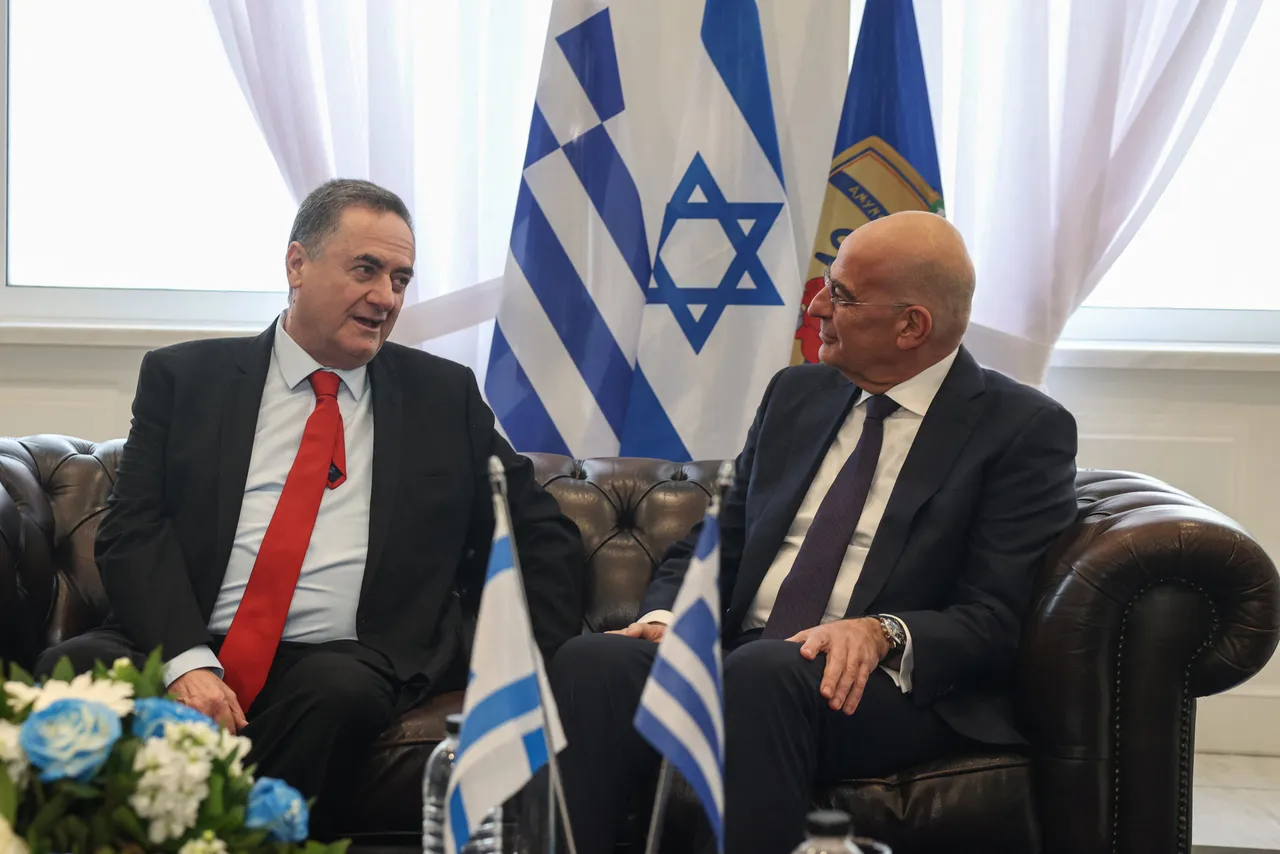
The relationship between Athens and Tel Aviv has developed into one of the most significant security alignments in the Eastern Mediterranean in recent years. This cooperation spans defense procurement, intelligence sharing, and expanding energy collaboration.
At the core of this development is the evolving regional security architecture, where both countries are seeking stronger positioning within broader Western institutions such as the European Union and NATO. Within this framework, the Greece Israel defense alignment is often presented as a stabilizing force in an otherwise complex and competitive regional environment.
Expanding defense and security cooperation
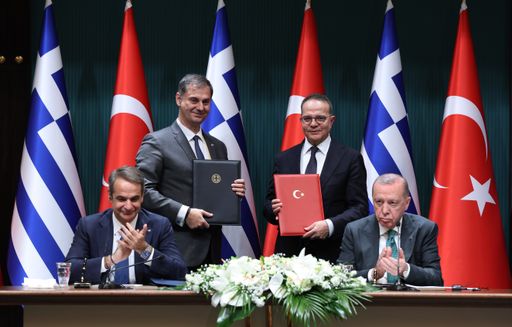
Defense cooperation has become the most visible aspect of bilateral relations. Greece has steadily increased its procurement of Israeli defense technology, including advanced missile systems, surveillance tools, and training programs.
Key aspects include:
- Joint military exercises in the Mediterranean region
- Technology transfer agreements in defense systems
- Intelligence cooperation focusing on regional threats
- Naval and air force coordination initiatives
Strategic positioning within NATO and the EU
Both countries benefit from deeper alignment within Western defense structures. Greece, as a NATO member and EU state, provides Israel with indirect access to European security frameworks, while Israel offers advanced military technology and operational experience.
This interdependence strengthens the Greece Israel defense alignment, while also raising questions about long-term strategic autonomy for Athens.
The $750 Million PULS Deal and Defense Integration
A major turning point in the bilateral relationship came with Greece’s agreement to purchase advanced rocket artillery systems from Israel. The deal, valued at approximately $750 million, includes 36 PULS (Precise and Universal Launching System) platforms developed by Israeli defense industries.
What the PULS system represents
The PULS system is a modern multiple rocket launcher platform designed for precision strikes and operational flexibility. It can launch a range of rockets with varying ranges and payloads, offering battlefield adaptability.
Key characteristics include:
- Long-range precision targeting capabilities
- Compatibility with multiple rocket types
- Rapid deployment and mobility
- Integration with modern battlefield command systems
Implications for regional military balance
The acquisition significantly enhances Greece’s artillery capabilities and contributes to the broader Greece Israel defense alignment. However, it also alters the regional military balance in the Eastern Mediterranean.
Implications include:
- Increased deterrence capabilities for Greece
- Greater interoperability with Israeli defense systems
- Potential shifts in regional defense planning strategies
- Heightened attention from neighboring states
Long-term dependency considerations
While the deal strengthens Greece’s military capacity, analysts often note that reliance on external defense suppliers may shape long-term procurement patterns. This creates a structural link between Athens and Tel Aviv that extends beyond a single transaction.
Energy and Economic Convergence in the Eastern Mediterranean
Beyond defense, energy cooperation is becoming a growing pillar of the relationship. The Eastern Mediterranean has emerged as a key zone for natural gas exploration and energy transit routes, attracting significant international interest.
Natural gas and regional energy networks
Greece and Israel have explored joint participation in energy infrastructure projects aimed at transporting natural gas to European markets. These initiatives are particularly relevant as Europe continues to diversify its energy sources.
Key areas of cooperation include:
- Offshore gas exploration partnerships
- Pipeline feasibility studies linking Eastern Mediterranean reserves to Europe
- Investment in liquefied natural gas (LNG) infrastructure
- Coordination on energy security policy

Economic integration and investment flows
In addition to energy, economic ties have expanded into technology, cybersecurity, and infrastructure development. Israeli firms have shown increased interest in Greek markets, particularly in sectors aligned with digital transformation and security systems.
This broader economic engagement reinforces the Greece Israel defense alignment, extending it into civil and commercial domains.
Strategic Implications for Greece’s Autonomy
While the partnership offers clear benefits in defense capability and economic cooperation, it also raises important questions about strategic independence.
Balancing partnerships and sovereignty
Greece’s foreign policy traditionally seeks to balance alliances with regional stability considerations. However, deeper reliance on external defense systems may influence long-term decision-making processes.
Key considerations include:
- Dependence on foreign military technology suppliers
- Influence of external partners on defense planning
- Reduced flexibility in independent strategic policymaking
- Increased integration into external security frameworks
The debate over resilience versus dependency
Supporters of closer cooperation argue that such alliances strengthen Greece’s deterrence and regional standing. Critics, however, caution that the Greece Israel defense alignment may gradually shift Greece from a position of autonomy toward structured dependency.
Regional Reactions and Broader Geopolitics
The evolving relationship between Greece and Israel does not exist in isolation. It forms part of a broader geopolitical competition in the Eastern Mediterranean involving multiple regional actors.
Shifting security dynamics in the region
As alliances deepen, regional actors are adjusting their strategic calculations. Military modernization efforts and diplomatic positioning are increasingly influenced by emerging partnerships such as that between Athens and Tel Aviv.
Key trends include:
- Increased defense modernization across the region
- Expansion of bilateral and multilateral security agreements
- Greater focus on maritime security and energy corridors
- Rising geopolitical competition over influence and resources
Eastern Mediterranean as a strategic crossroads
The Eastern Mediterranean continues to serve as a critical junction for trade routes, energy infrastructure, and military strategy. The Greece Israel defense alignment is one of several evolving relationships shaping this environment.
Future Outlook for Eastern Mediterranean Security
Looking ahead, the trajectory of Greece–Israel relations is likely to continue expanding across defense, energy, and technology sectors. However, the long-term impact will depend on how both countries manage strategic balance and regional sensitivities.
Possible developments include:
- Further defense procurement agreements
- Expansion of joint military exercises
- New energy transport projects linking Europe and the Eastern Mediterranean
- Increased institutional cooperation within EU and NATO frameworks
At the same time, regional dynamics will remain fluid, requiring careful navigation of competing interests and alliances.

FAQ
What is the Greece Israel defense alignment about?
The Greece Israel defense alignment refers to expanding military, energy, and strategic cooperation between the two countries in the Eastern Mediterranean.
Why did Greece buy the PULS rocket system from Israel?
Greece acquired the system to enhance its long-range precision strike capabilities and strengthen its overall defense posture.
How does the Greece Israel defense alignment affect regional stability?
It strengthens military cooperation between the two countries but also influences broader regional security dynamics and defense balances.
Does this partnership impact Greece’s strategic independence?
It may improve defense capacity, but some analysts argue it could also increase reliance on external defense suppliers.
Conclusion
The evolving partnership between Greece and Israel reflects a broader shift in Eastern Mediterranean geopolitics, where defense, energy, and strategic cooperation are increasingly interconnected. While the Greece Israel defense alignment offers clear advantages in capability and regional positioning, it also raises ongoing questions about long-term strategic autonomy and balance. The outcome will depend on how both countries manage cooperation within an already complex and competitive regional landscape.
Click here for more news