 0
0
 0
0
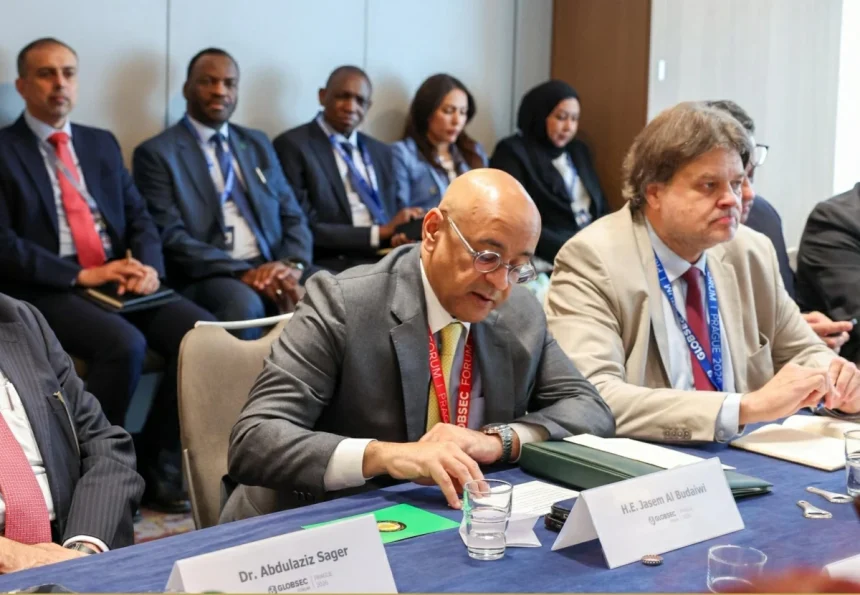
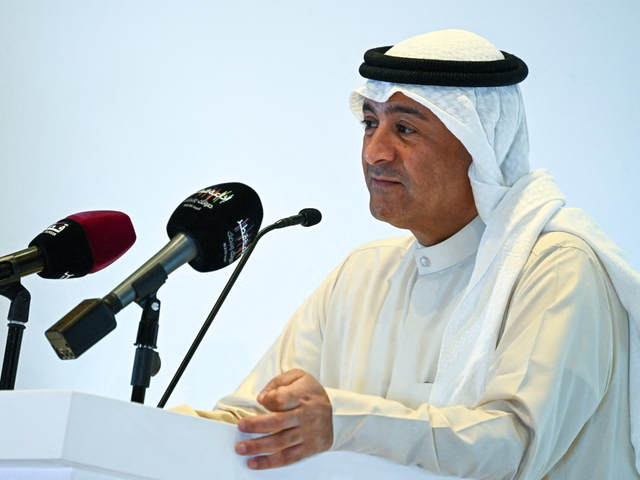
GCC maritime route security is the central message highlighted by Gulf Cooperation Council Secretary-General Jassem Mohamed Al-Budaiwi during his remarks at the GLOBSEC 2026 forum in Prague. The statement focused on safeguarding maritime and air routes, protecting global supply chains, and ensuring stability in international energy markets amid rising regional tensions.
Speaking at a session on Gulf–European relations, the GCC chief stressed that the security of shipping lanes and air corridors remains essential to both regional stability and the broader global economy
 .
.
GCC Emphasizes Importance of Maritime and Air Route Security
The Gulf Cooperation Council leadership highlighted growing concerns over the safety of international transportation corridors.
According to Al-Budaiwi, GCC maritime route security is directly linked to global economic stability and energy flow. Any disruption to these routes could have immediate global consequences.
Key Areas of Concern Raised
During his address, several critical priorities were emphasized:
- Protection of maritime shipping lanes
- Safety of international air corridors
- Stability of global supply chains
- Security of energy transport routes
These priorities reflect the GCC’s broader approach to maintaining regional and global economic balance.
Role of Global Energy Markets
Al-Budaiwi warned that instability in maritime regions could quickly affect energy prices and supply chains worldwide.
He noted that Gulf countries remain central to global oil and gas exports, making secure transport routes essential for economic stability.
GCC Maritime Route Security and Global Trade Stability
The discussion on GCC maritime route security extended to the broader importance of uninterrupted global trade.
Shipping lanes in the Gulf region are among the most strategically significant in the world, carrying a large share of global energy and commercial goods.
Why Maritime Routes Matter
Maritime routes in the Gulf region serve as critical arteries for international commerce.
They support:
- Global oil transportation
- Commercial shipping operations
- Energy exports to Europe and Asia
- Industrial supply chains
Economic Risks of Disruption
Officials warned that any disruption to these routes could result in:
- Delays in global trade shipments
- Increased energy prices
- Supply chain instability
- Higher transportation costs
Such risks highlight why GCC maritime route security remains a priority for regional policymakers.
GCC Calls for Strengthened Dialogue and Diplomacy
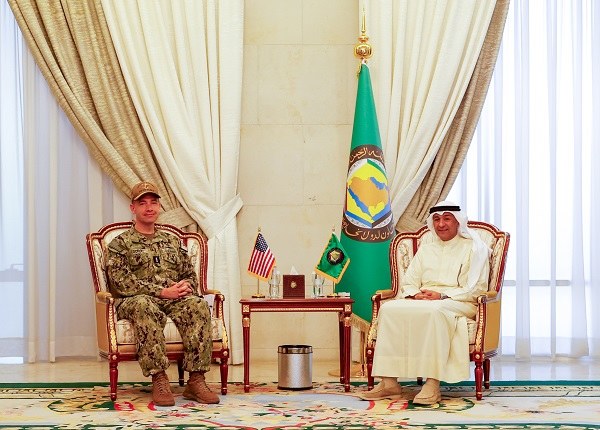
The GCC chief emphasized that regional stability depends heavily on diplomatic engagement and de-escalation efforts.
Member states continue to focus on dialogue-based solutions to reduce tensions and avoid escalation in sensitive regions.
GCC Efforts Toward Regional Stability
Al-Budaiwi noted ongoing initiatives by GCC countries aimed at maintaining peace and stability.
These efforts include:
- Diplomatic engagement with regional partners
- Support for international mediation efforts
- Promotion of conflict de-escalation
- Strengthening multilateral cooperation
Importance of Preventive Measures
Preventing conflict escalation is seen as essential to protecting both maritime and air routes.
Officials stressed that proactive diplomacy reduces risks to global trade and energy security.
GCC Maritime Route Security and Europe–Gulf Relations
The speech also highlighted the increasing connection between Gulf stability and European economic security.
Al-Budaiwi explained that GCC maritime route security is not only a regional concern but also a shared international responsibility.
Interdependence Between Regions
Europe and the Gulf region are closely linked through:
- Energy imports and exports
- Trade and shipping networks
- Investment partnerships
- Strategic cooperation frameworks
Impact on European Economies
The GCC chief warned that disruptions in Gulf maritime routes would have immediate effects on Europe, particularly in:
- Energy supply chains
- Industrial production costs
- Transportation logistics
- Market stability
This interconnectedness reinforces the importance of joint security cooperation.
GCC Position on Global Security Cooperation
At the GLOBSEC 2026 forum, the GCC leadership called for deeper international cooperation to address emerging security challenges.
Strengthening International Partnerships
Al-Budaiwi stressed that cooperation between Europe and the Gulf is essential for long-term stability.
He encouraged:
- Enhanced security coordination
- Shared intelligence and expertise
- Joint economic stability efforts
- Multilateral policy alignment
Previous Diplomatic Engagements
Earlier at the EU–Gulf Geopolitical and Investment Summit in Greece, similar concerns were raised regarding global security and economic cooperation.
These repeated discussions show continuity in GCC policy messaging.
Maritime and Air Security in a Changing Global Environment
Global security conditions have become increasingly complex, with rising concerns about regional conflicts, trade disruptions, and energy security.
Emerging Global Challenges
Key challenges affecting maritime and air route security include:
- Regional geopolitical tensions
- Disruptions to shipping lanes
- Rising insurance and transport costs
- Increased global demand for energy stability
GCC’s Strategic Outlook
The GCC continues to position itself as a key player in maintaining global stability through:
- Energy market leadership
- Strategic geographic positioning
- Diplomatic engagement
- Economic cooperation frameworks
FAQ
What is GCC maritime route security?
GCC maritime route security refers to efforts by Gulf Cooperation Council states to protect shipping lanes, air routes, and energy transport corridors essential for global trade.
Why are maritime routes in the Gulf region important?
They are critical for transporting oil, gas, and goods between Asia, Europe, and other global markets, making them vital for global economic stability.
What did the GCC chief say at GLOBSEC 2026?
He emphasized the importance of safeguarding maritime and air routes, protecting supply chains, and maintaining global energy market stability.
How does Gulf security affect Europe?
Disruptions in Gulf maritime routes could impact European energy supplies, increase costs, and affect industrial production and trade.
Conclusion
The GCC maritime route security message delivered at GLOBSEC 2026 highlights the growing interdependence between regional stability and global economic health. By emphasizing protection of maritime and air corridors, the GCC continues to position itself as a central actor in ensuring energy security, trade continuity, and international cooperation in an increasingly complex global environment.
Click here for more news