 0
0
 0
0
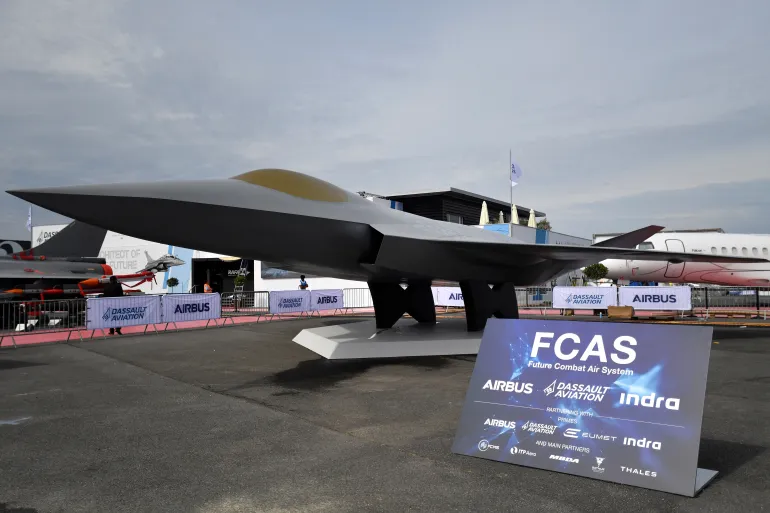
The France Germany fighter jet collapse has become a major talking point in global defence discussions after France and Germany confirmed the termination of their joint sixth-generation fighter jet programme. The decision marks a significant setback for European efforts to build a unified defence system and reduce reliance on external military support.
The now-abandoned project, known as the Future Combat Air System (FCAS), was intended to be one of Europe’s most ambitious defence collaborations. Its collapse has reignited debate about Europe’s ability to achieve strategic autonomy and manage its own security needs without depending heavily on the United States.
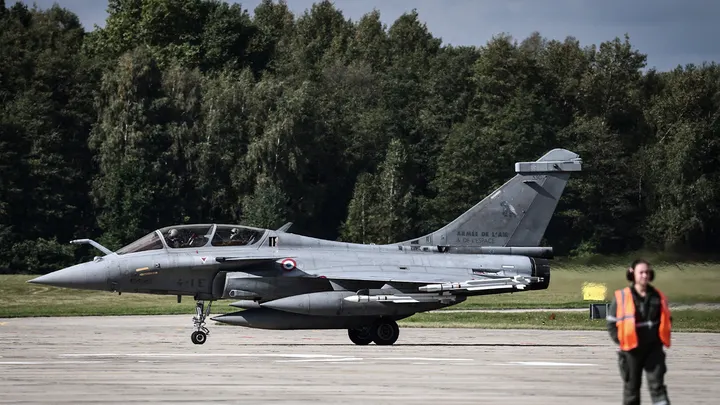
France and Germany Officially End FCAS Fighter Jet Programme
The France Germany fighter jet collapse was confirmed after both governments announced the discontinuation of the FCAS initiative earlier this week.
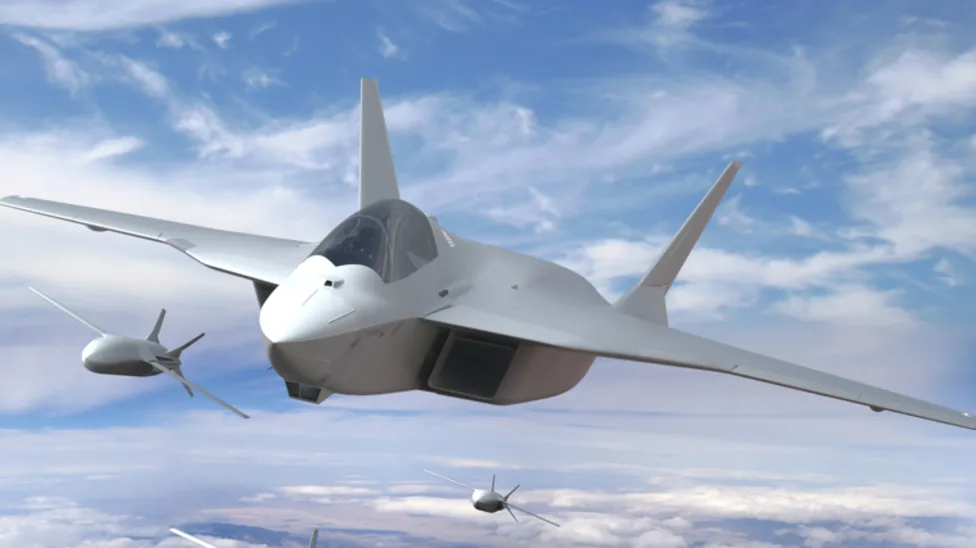
The programme had been designed to develop a next-generation combat aircraft that would replace existing fighter fleets and strengthen Europe’s defence capabilities.
What the FCAS Project Was Supposed to Achieve
The Future Combat Air System was envisioned as a long-term defence project involving:
- Development of a sixth-generation fighter jet
- Integration of advanced digital combat systems
- Improved aerial surveillance and defence coordination
- Joint industrial cooperation between European nations
Key Countries and Companies Involved
The project brought together major European defence players, including:
- France
- Germany
- Spain (as a supporting partner in earlier phases)
Leading aerospace companies such as Dassault Aviation and Airbus were central to the development efforts.
Why the Project Was Significant
The FCAS programme was widely seen as:
- A symbol of European defence unity
- A response to growing global security challenges
- A step toward reducing dependency on US military systems
Its cancellation now raises concerns about the future direction of European defence cooperation.
Reasons Behind the France-Germany Fighter Jet Collapse
The France Germany fighter jet collapse did not happen suddenly. Reports indicate that long-standing disagreements between key stakeholders contributed to the breakdown of the project.
Industrial and Political Differences
One of the major challenges involved disputes over:
- Workshare distribution between companies
- Leadership roles in aircraft development
- Technology control and intellectual property rights
These disagreements created friction between defence contractors and government stakeholders.
Strategic Priorities in Europe
Both France and Germany have different defence priorities, which affected project alignment:
France’s Position
- Strong focus on independent defence manufacturing
- Preference for national control over key military technology
Germany’s Position
- Emphasis on multinational cooperation
- Strong alignment with NATO and European partners
Budget and Timeline Pressures
The FCAS project also faced:
- Rising development costs
- Long production timelines
- Uncertainty over final deployment schedules
These factors added pressure on governments already dealing with other economic and security priorities.
Europe’s Strategic Autonomy Under Question
The France Germany fighter jet collapse has revived discussions about whether Europe can fully develop independent defence capabilities.
What Strategic Autonomy Means for Europe
Strategic autonomy refers to Europe’s ability to:
- Develop its own defence systems
- Make independent military decisions
- Reduce reliance on external allies
Concerns About Dependence on the United States
The United States remains a major provider of military support to NATO countries. However, shifting global politics have raised questions about long-term reliability and commitment levels.
Experts argue that Europe’s defence future depends on whether member states can successfully collaborate on major military projects.
Broader NATO Implications
The collapse of the FCAS project may also affect:
- Long-term NATO defence planning
- European contribution to collective security
- Future joint weapons development programmes
Future of European Fighter Jet Development
Despite the France Germany fighter jet collapse, defence analysts suggest that Europe is unlikely to abandon next-generation aircraft development entirely.
Possible Alternative Projects
European nations may explore:
- Smaller bilateral defence programmes
- Private-sector-led aircraft innovation
- Increased reliance on existing fighter upgrades
Continued Demand for Advanced Military Aircraft
Modern defence needs continue to grow due to:
- Rising global geopolitical tensions
- Increased use of drone warfare
- Advancements in artificial intelligence systems
- Expansion of air defence requirements
Industry Reaction and Outlook
Defence manufacturers are expected to reassess their strategies following the cancellation. While the FCAS project is no longer moving forward, many of its technological concepts may still influence future aircraft development.
Political Reactions Across Europe
The France Germany fighter jet collapse has sparked political discussion across European capitals.
Calls for Stronger Cooperation
Some leaders have called for:
- Renewed commitment to joint defence projects
- More flexible industrial partnerships
- Clearer governance structures for future programmes
Concerns About Fragmentation
Others worry that the collapse signals:
- Weakening EU defence coordination
- Increasing national rivalry in military production
- Delays in modernising European armed forces
Public Debate on Defence Spending
The issue has also contributed to wider debates on:
- Military budget allocations
- Economic priorities
- Long-term security planning
What Happens Next for Europe’s Defence Strategy
Following the France Germany fighter jet collapse, attention is now turning to future defence planning within the European Union.
Potential Policy Adjustments
European policymakers may focus on:
- Strengthening existing NATO partnerships
- Supporting smaller-scale defence collaborations
- Increasing investment in drone and cyber defence systems
Long-Term Defence Outlook
Despite the setback, many experts believe Europe will continue working toward improved defence integration, even if large-scale projects like FCAS become less common.
Key Challenges Ahead
Europe still faces several obstacles, including:
- Diverging national interests
- Industrial competition among member states
- Funding limitations for large-scale projects
FAQ
Why did the France-Germany fighter jet project collapse?
The project collapsed due to disagreements over industrial control, workshare distribution, and differing national defence priorities between France and Germany.
What was the FCAS fighter jet project?
The Future Combat Air System (FCAS) was a planned European sixth-generation fighter jet programme aimed at strengthening joint defence capabilities.
How does this affect Europe’s defence strategy?
The collapse raises concerns about Europe’s ability to achieve strategic autonomy and reduce dependence on external military support, especially from the United States.
Will Europe continue developing new fighter jets?
Yes, although the FCAS project has ended, European countries are expected to explore alternative defence projects and continued aircraft development efforts.
Conclusion
The France Germany fighter jet collapse represents a major turning point in European defence cooperation. While the termination of the FCAS programme highlights ongoing challenges in multinational military collaboration, it also underscores the urgency of redefining Europe’s long-term security strategy. As geopolitical tensions continue to evolve, Europe’s ability to coordinate defence innovation will remain a central issue in global security discussions.
Click here for more news