 0
0
 0
0
Ethiopia general election 2026 is taking place under intense political scrutiny as the East African nation heads to the polls amid ongoing armed conflicts, concerns over political freedoms, and questions about electoral inclusiveness. Prime Minister Abiy Ahmed and the ruling Prosperity Party are widely expected to retain power, but the election arrives at a time when Ethiopia continues to grapple with security challenges and deep political divisions.
The vote marks Ethiopia’s seventh general election since the fall of the military regime in 1991 and is seen as a critical test for the country’s democratic institutions and political stability.
Ethiopia general election 2026 expected to deliver ruling party victory
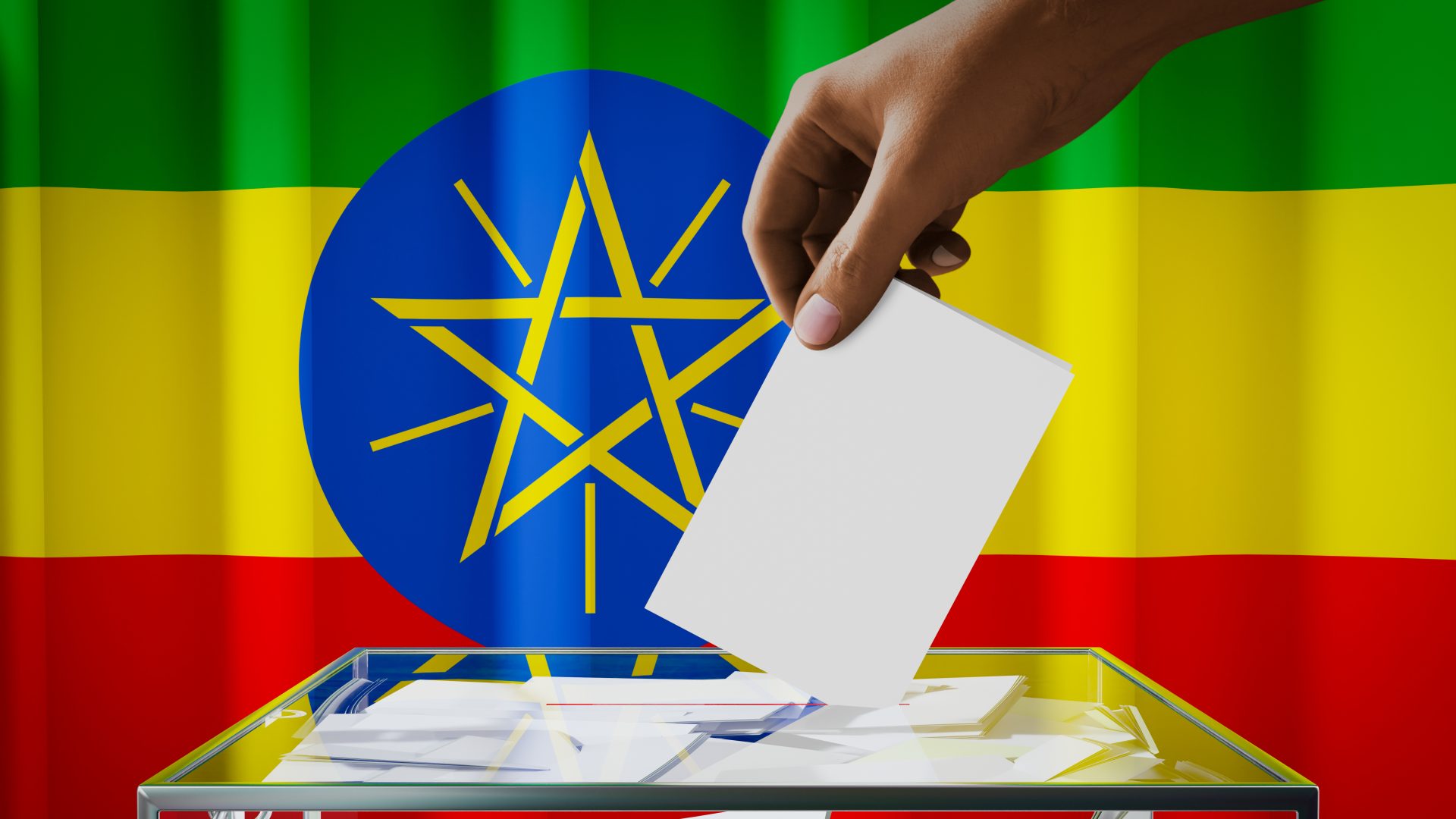
Millions of Ethiopians are eligible to vote in an election that will determine the composition of the country’s national parliament for the next five years.
How Ethiopia’s parliamentary system works
Voters are electing representatives to the 547-seat House of People’s Representatives.
Key facts include:
• Parliament consists of 547 seats
• A party requires at least 274 seats to form a government
• The winning party governs for a five-year term
• Prime ministerial leadership is determined through parliamentary majority
Political analysts expect the ruling Prosperity Party to secure a strong majority.
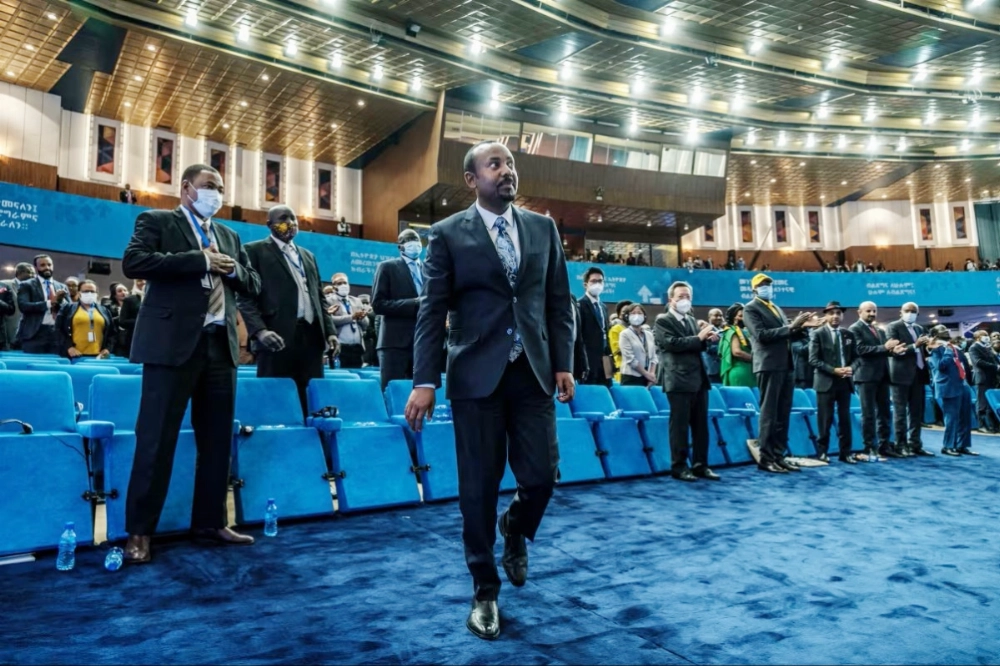
Abiy Ahmed remains central figure in Ethiopian politics
Since taking office in 2018, Abiy Ahmed has remained one of the most influential political leaders in Ethiopia.
His rise followed widespread protests against the previous government, creating expectations of political reform and national reconciliation.
Ethiopia general election 2026 takes place amid security concerns
One of the biggest issues surrounding the election is the ongoing security situation across several regions.
Armed conflicts continue in multiple regions
Large areas of Ethiopia continue to face instability.
Affected regions include:
• Tigray
• Amhara
• Oromia
These conflicts have led to:
• Population displacement
• Humanitarian challenges
• Security restrictions
• Limited voter participation in some areas
Tigray excluded from the election process
The northern Tigray region, which experienced a devastating civil war that formally ended in 2022, is not participating in the election.
This exclusion has raised concerns about:
• National representation
• Electoral inclusiveness
• Post-conflict recovery efforts
Many observers argue that the absence of voting in Tigray affects the overall scope of the national election.
Ethiopia general election 2026 reflects Abiy Ahmed’s political transformation
The election also highlights the political journey of Abiy Ahmed since taking office.
Early reform agenda generated optimism
When Abiy became prime minister in 2018, he introduced several reforms that attracted international attention.
These included:
• Releasing political prisoners
• Expanding media freedoms
• Encouraging political participation
• Improving relations with neighboring Eritrea
His peace agreement with Eritrea earned global recognition and helped secure the 2019 Nobel Peace Prize.
Reform momentum later faced challenges
The optimism that followed Abiy’s early reforms gradually weakened as political tensions increased.
Critics point to:
• Rising ethnic conflicts
• Restrictions on political opposition
• Concerns over press freedom
• Growing security operations across regions
These issues continue to influence public debate ahead of the election.
Ethiopia general election 2026 shaped by federalism debate
A major source of political disagreement involves Ethiopia’s governance structure.
Shift away from ethnic federalism
For decades, Ethiopia operated under a system of ethnic federalism that granted significant autonomy to regional states.
The system allowed regions to:
• Maintain local political structures
• Draft regional legislation
• Exercise substantial self-governance
Creation of the Prosperity Party
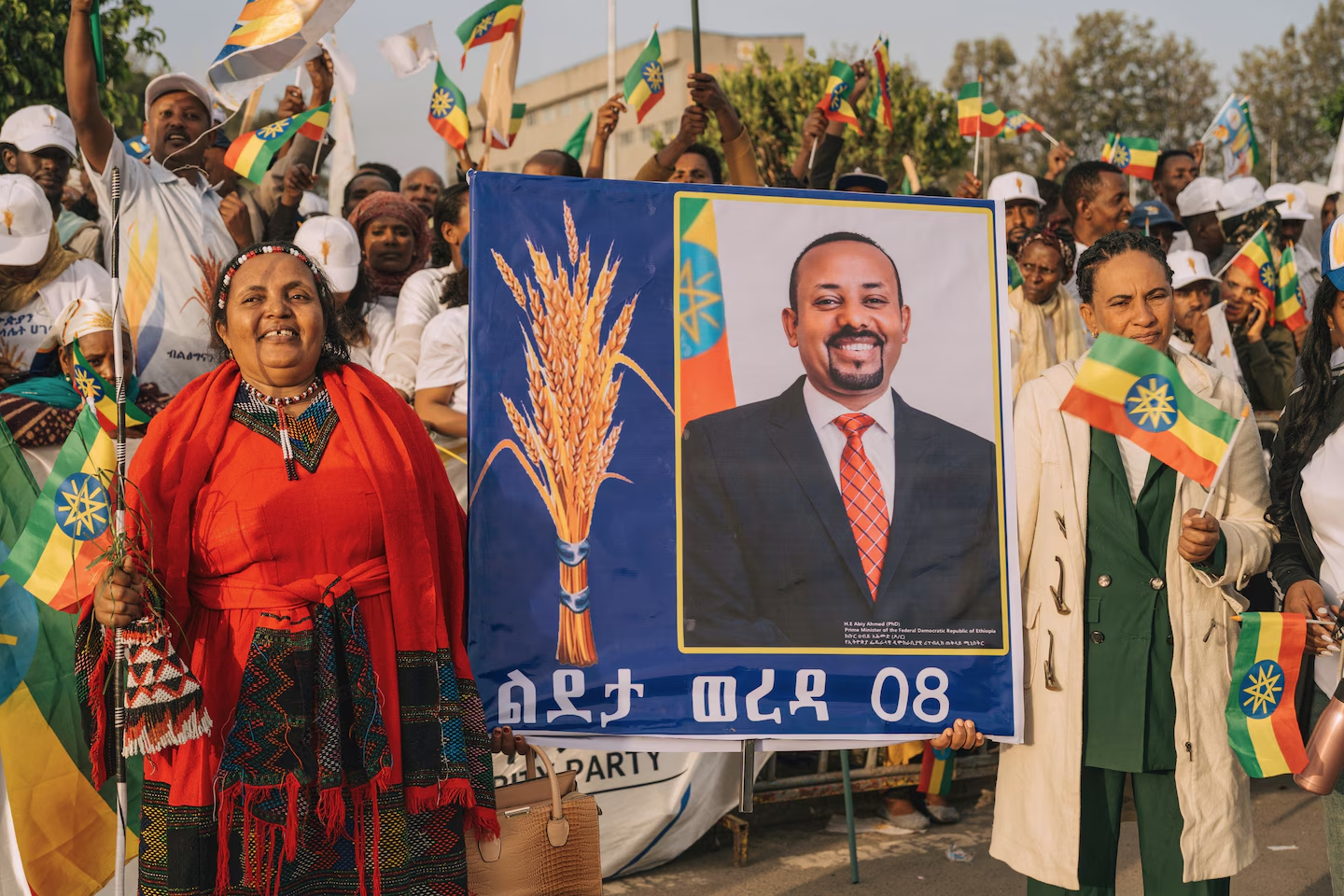
Abiy Ahmed later dissolved the Ethiopian People’s Revolutionary Democratic Front coalition and replaced it with the Prosperity Party.
Supporters argued that the move would strengthen national unity.
Opponents claimed it reduced regional influence and weakened long-standing political arrangements.
Ethiopia general election 2026 faces opposition criticism
Several opposition parties have expressed concerns about the electoral environment.
Allegations of political restrictions
Opposition groups have reported:
• Arrests of political supporters
• Administrative obstacles
• Campaign limitations
• Intimidation claims in some regions
Government officials have maintained that the election process remains lawful and organized.
Opposition participation remains limited
Some opposition leaders have questioned the competitiveness of the election while still choosing to participate.
Their concerns focus on:
• Electoral fairness
• Political representation
• Access to campaigning opportunities
• Equal treatment among parties
Ethiopia general election 2026 and the country’s future
The outcome of the election will likely shape Ethiopia’s political direction for years to come.
Key challenges facing the next government
Regardless of the results, major issues remain:
• National reconciliation
• Economic development
• Security stabilization
• Humanitarian recovery
• Political reform
Importance of post-election stability
Many observers believe that maintaining peace and rebuilding trust among communities will be critical following the vote.
The next administration will face pressure to address both immediate security concerns and long-term governance challenges.
FAQ
What is the Ethiopia general election 2026?
The Ethiopia general election 2026 is the country’s seventh national election since 1991 and will determine the composition of the 547-member parliament.
Why is the Ethiopia general election 2026 attracting international attention?
The election is taking place amid ongoing armed conflicts, political tensions, and concerns about democratic participation.
Is Tigray participating in the Ethiopia general election 2026?
No. The Tigray region has been excluded from the election process due to ongoing post-conflict challenges.
What are the main issues affecting the Ethiopia general election 2026?
Key issues include security concerns, political freedoms, regional conflicts, electoral participation, and debates over federal governance.
Conclusion
The Ethiopia general election 2026 represents a significant political moment for one of Africa’s most populous nations. While the ruling Prosperity Party is expected to perform strongly, the election unfolds against a backdrop of armed conflict, political debate, and ongoing questions about representation and democratic governance. The outcome is likely to influence Ethiopia’s stability, reform efforts, and national unity in the years ahead.
PLEASE CLICK HERE FOR MORE NEWS