 0
0
 0
0
The Apapa Tin Can port congestion issue has once again come into focus as the Nigerian Ports Authority (NPA) and the Association of Nigerian Licensed Customs Agents (ANLCA) agree on fresh measures to improve traffic flow and cargo movement at Nigeria’s busiest seaports in Lagos.
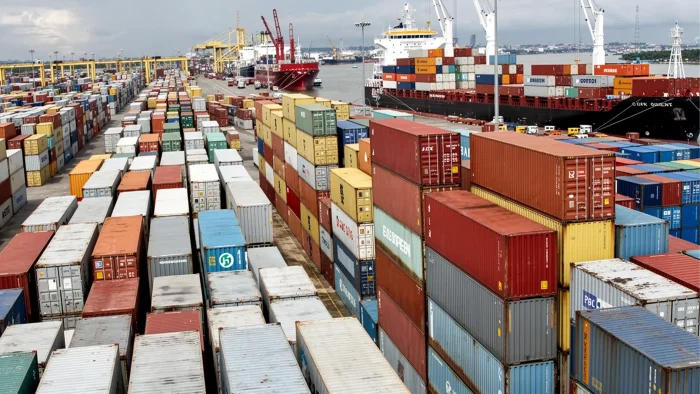
The renewed collaboration is aimed at reducing long-standing bottlenecks around Apapa and Tin Can Island ports, where heavy truck traffic has continued to affect business operations, logistics efficiency, and road safety.
Stakeholders Agree on New Cooperation Framework
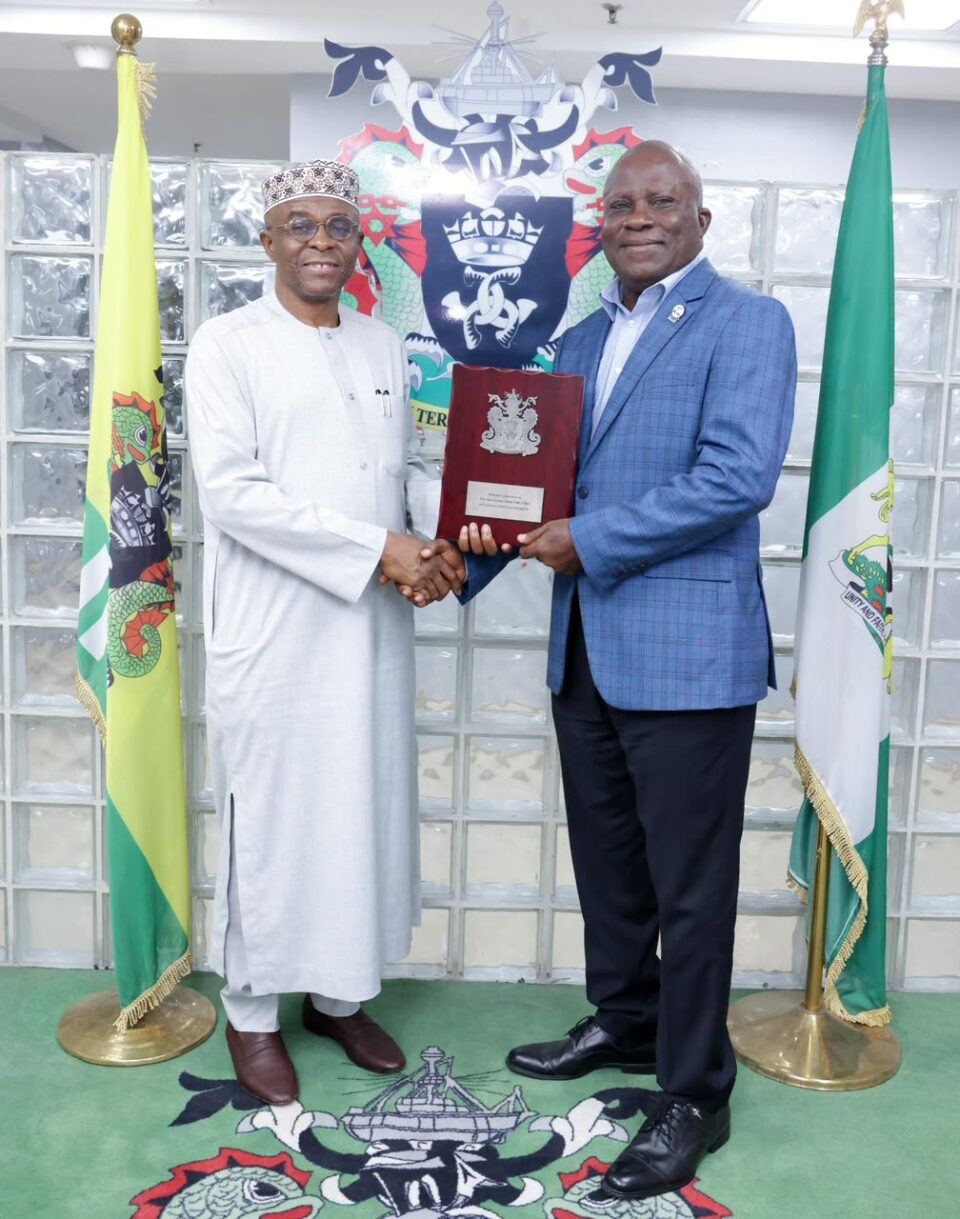
The agreement was reached during a high-level meeting between both organisations held at the NPA headquarters in Marina, Lagos.
Focus of the Meeting
Key issues discussed included:
- Persistent traffic congestion around port access roads
- Efficiency of cargo evacuation systems
- Strengthening port operational procedures
- Improving ease of doing business in the maritime sector
Both parties agreed that stronger collaboration is necessary to address structural and operational challenges affecting port logistics.
Leadership Present at the Meeting
The discussion involved:
- The Managing Director of the Nigerian Ports Authority
- National leadership of the Association of Nigerian Licensed Customs Agents
- Senior officials from both organisations
The engagement was described as strategic, focusing on long-term solutions rather than temporary traffic fixes.
Electronic Call-Up System at the Centre of Reforms
A major part of the discussion on Apapa Tin Can port congestion was the performance of the Electronic Call-Up System, commonly known as Eto.
How the System Works
The system was introduced to:
- Regulate truck entry into port terminals
- Reduce disorderly truck movement
- Improve scheduling of cargo pickup and delivery
- Minimise road blockage around port corridors
Current Challenges
Despite initial improvements, stakeholders noted:
- Increasing cargo volume pressure on the system
- Overstretching of existing logistics infrastructure
- Need for more robust digital coordination tools
These challenges have contributed to renewed calls for system upgrades.
Proposed Improvements
Suggestions raised during discussions include:
- Strengthening digital tracking of truck movements
- Expanding capacity of the call-up platform
- Enhancing enforcement mechanisms
- Integrating more stakeholders into operational decisions
NPA Pushes for Port Modernisation
The Nigerian Ports Authority emphasized the need for infrastructure renewal to sustain long-term efficiency.
Infrastructure Upgrade Needs
According to discussions, priorities include:
- Modern cargo handling equipment
- Expansion of port access infrastructure
- Upgrading ageing logistics facilities
- Improved operational coordination systems
These steps are considered essential for reducing congestion and improving throughput at the ports.
Lagos as a Regional Trade Hub
Stakeholders noted that Lagos remains a key commercial gateway in West Africa, making efficient port operations critical for regional trade stability.
ANLCA Calls for Stronger Stakeholder Inclusion
The Association of Nigerian Licensed Customs Agents also contributed key recommendations aimed at improving transparency and efficiency in the port system.
Role of Customs Agents in Port Operations
ANLCA emphasized:
- Inclusion in management of the Electronic Call-Up System
- Greater participation in decision-making processes
- Improved transparency in truck scheduling
- Reduction of bottlenecks caused by middlemen activities
Expected Benefits of Inclusion
According to stakeholders, involving licensed customs agents could lead to:
- Reduced delays in cargo clearance
- Improved accountability in truck movement systems
- Lower risk of racketeering
- Faster turnaround time at port access roads
Proposed Joint Task Force for Traffic Control
Another key proposal in addressing the Apapa Tin Can port congestion is the formation of a coordinated enforcement team.
Composition of the Task Force
The proposed team would involve:
- Nigerian Ports Authority
- Nigeria Police Force
- Relevant maritime and logistics stakeholders
Objectives of the Task Force
The initiative aims to:
- Monitor truck movement along port corridors
- Prevent illegal parking and obstruction
- Respond quickly to disruptions
- Improve overall traffic discipline
Recognition of Port Improvements
The NPA highlighted recent international recognition of Nigerian ports as part of ongoing reforms.
World Bank Ranking Achievement
Apapa and Tin Can Island ports were listed among improved global ports, reflecting:
- Ongoing operational reforms
- Policy adjustments in maritime management
- Improved service delivery frameworks
International Maritime Roles
Nigeria’s growing influence was also noted through:
- Leadership roles in regional port associations
- Increased participation in global maritime organisations
Strengthening Trade Facilitation in Nigeria
Efforts to address Apapa Tin Can port congestion are part of a broader national objective to improve trade facilitation.
Expected Economic Impact
Improved port efficiency is expected to:
- Reduce logistics costs
- Enhance import and export processes
- Boost investor confidence
- Support national economic growth
FAQ
What is causing Apapa and Tin Can port congestion?
Heavy truck traffic, infrastructure limitations, and increasing cargo volumes contribute to congestion around the ports.
What system is being used to control truck movement?
The Electronic Call-Up System (Eto) is used to regulate truck entry and movement into port terminals.
What role is ANLCA playing in port reforms?
ANLCA is advocating for inclusion in system management and supporting coordinated enforcement efforts.
How will congestion be reduced in the future?
Through infrastructure upgrades, improved digital systems, and a joint task force involving key stakeholders.
Conclusion
The renewed cooperation between the NPA and ANLCA signals a coordinated effort to address the long-standing Apapa Tin Can port congestion challenge. With planned reforms, stakeholder inclusion, and infrastructure improvements, the focus remains on creating a more efficient and transparent port system in Lagos.
Click here for more news