0
0
 0
0
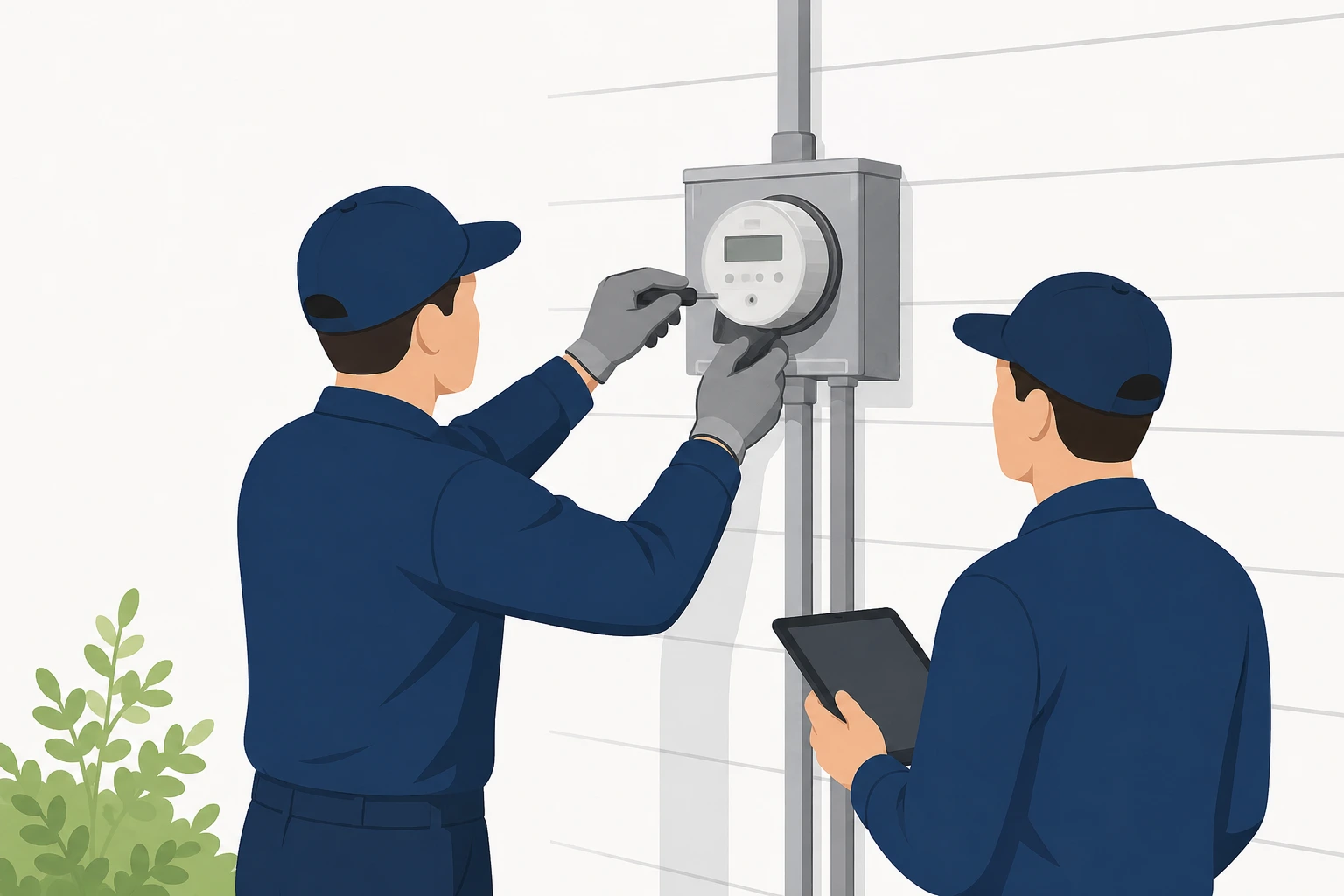
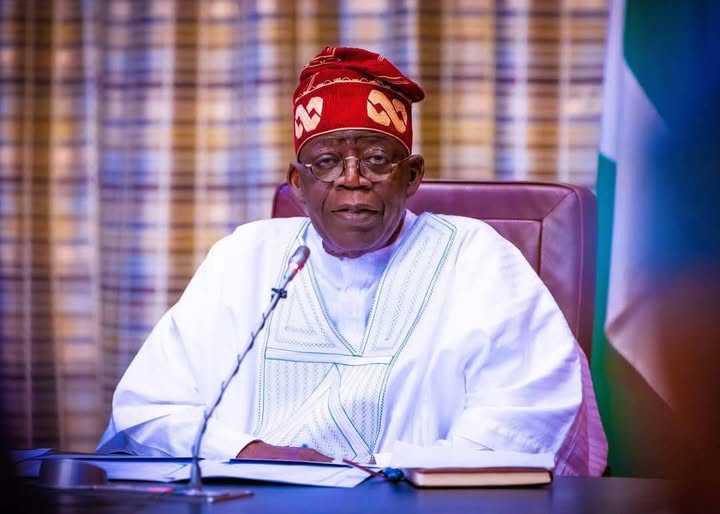
The meter installer training programme has been officially introduced by President Bola Tinubu as part of a national effort to address Nigeria’s electricity challenges while creating new job opportunities for young people. The initiative targets 5,000 participants who will be trained as professional meter installers and technicians across the country.
The programme is positioned as part of broader reforms in the power sector aimed at improving electricity distribution efficiency and reducing challenges linked to estimated billing.
Overview of the Meter Installer Training Programme
The newly announced meter installer training programme is designed to equip young Nigerians with technical skills that are directly applicable within the electricity value chain.
Key Objectives of the Initiative
The programme focuses on several national priorities, including:
- Reducing Nigeria’s metering gap
- Expanding youth employment opportunities
- Improving electricity distribution efficiency
- Supporting reform of the power sector
Connection to National Development Goals
The initiative aligns with government efforts to strengthen infrastructure and improve service delivery in the energy sector.
It is also part of broader workforce development plans aimed at:
- Skill acquisition for unemployed youth
- Technical education expansion
- Sustainable job creation in key sectors
Presidential Metering Initiative and Its Role
The meter installer training programme operates under the Presidential Metering Initiative (PMI), a government-driven framework aimed at addressing long-standing issues in electricity metering.
What the Presidential Metering Initiative Covers
The PMI is focused on:
- Closing Nigeria’s electricity metering gap
- Ending estimated billing practices
- Strengthening consumer protection in the power sector
- Improving transparency in electricity distribution
The “Power Force” Training Model
The training programme, also described as “The Power Force,” is structured to:
- Train 5,000 participants in technical installation skills
- Provide hands-on practical field experience
- Connect trainees to employment opportunities after completion
Skills Participants Will Gain
Trainees will be exposed to:
- Meter installation techniques
- Basic electrical system operations
- Safety procedures in power distribution
- Maintenance and troubleshooting skills

Economic and Employment Impact of the Programme
The meter installer training programme is also viewed as a job creation initiative designed to reduce unemployment among young Nigerians.
Job Creation Opportunities in the Power Sector
By training 5,000 individuals, the programme is expected to:
- Create direct employment pathways in electricity distribution
- Support private sector partnerships in metering services
- Expand technical workforce capacity in Nigeria
Youth Empowerment and Skill Development
The programme emphasizes:
- Practical vocational training
- Industry-relevant technical skills
- Long-term employability in the energy sector
Eligibility Requirements
According to the announcement:
- Applicants must have completed secondary education
- A quota is reserved for National Youth Service Corps members
Addressing Nigeria’s Electricity Challenges
One of the major goals of the meter installer training programme is to help solve ongoing electricity supply and billing challenges in Nigeria.
Tackling the Metre Deficit
Nigeria continues to face a metering gap, which affects:
- Accurate electricity billing
- Revenue collection efficiency
- Consumer trust in the power sector
Reducing Estimated Billing Practices
The initiative is also expected to:
- Improve billing accuracy
- Reduce disputes between consumers and electricity providers
- Strengthen accountability in electricity usage tracking
Government’s Broader Reform Agenda
The programme is part of a wider national reform plan aimed at improving infrastructure and economic productivity.
Renewed Hope Agenda Alignment
The initiative falls under the Renewed Hope Agenda, which focuses on:
- Job creation
- Economic restructuring
- Improved public service delivery
Long-Term Sector Improvements
Expected long-term outcomes include:
- More efficient electricity distribution systems
- Better trained technical workforce
- Increased investor confidence in the power sector
Structure and Implementation Approach
The programme is designed to combine training with practical exposure, ensuring participants are industry-ready.
Training Methodology
The structure includes:
- Classroom-based technical instruction
- Field-based practical training
- Supervised installation experience
Employment Linkage System
After training, participants are expected to:
- Be connected to power sector employers
- Access job placement opportunities
- Join technical deployment teams across Nigeria
Frequently Asked Questions (FAQ)
What is the meter installer training programme about?
It is a government initiative to train 5,000 young Nigerians in meter installation and technical skills for the power sector.
Who can apply for the programme?
Eligible applicants must have completed secondary education, with some slots reserved for NYSC members.
What is the goal of the training programme?
The goal is to reduce unemployment, close the metering gap, and improve electricity supply in Nigeria.
How does the programme help the power sector?
It provides skilled technicians who can improve metering accuracy and support better electricity distribution.
Conclusion
The meter installer training programme represents a strategic effort to combine job creation with critical infrastructure improvement in Nigeria’s power sector. By training thousands of young Nigerians, the initiative aims to strengthen technical capacity, reduce metering challenges, and support broader reforms in electricity distribution. Its success could contribute significantly to both economic empowerment and improved energy service delivery.
Click here for more news