 0
0
 0
0
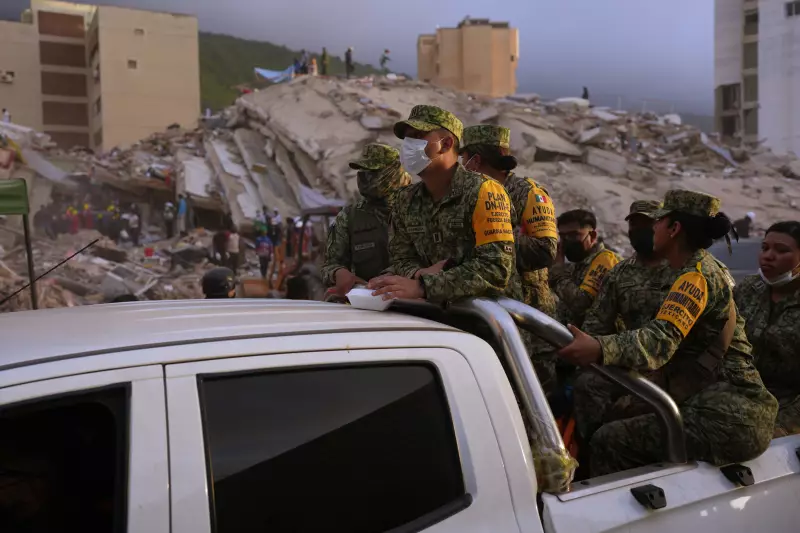
The Venezuela earthquake rescue operations have entered a critical phase as emergency teams continue searching through collapsed buildings on day four after powerful twin earthquakes struck parts of the country. In affected areas such as Caraballeda and surrounding communities in La Guaira, rescue workers, volunteers, and residents are digging through rubble in a desperate effort to locate survivors.
The situation remains tense as authorities confirm thousands of people are still missing, while the official death toll has already surpassed one thousand. The ongoing Venezuela earthquake rescue operations are now focused on locating survivors before the critical rescue window fully closes.
Earthquakes Devastate Coastal Venezuela Regions
The twin earthquakes that struck northern parts of Venezuela caused widespread destruction across residential and urban areas, particularly in coastal zones near the capital.
Severe Impact in La Guaira and Nearby Areas
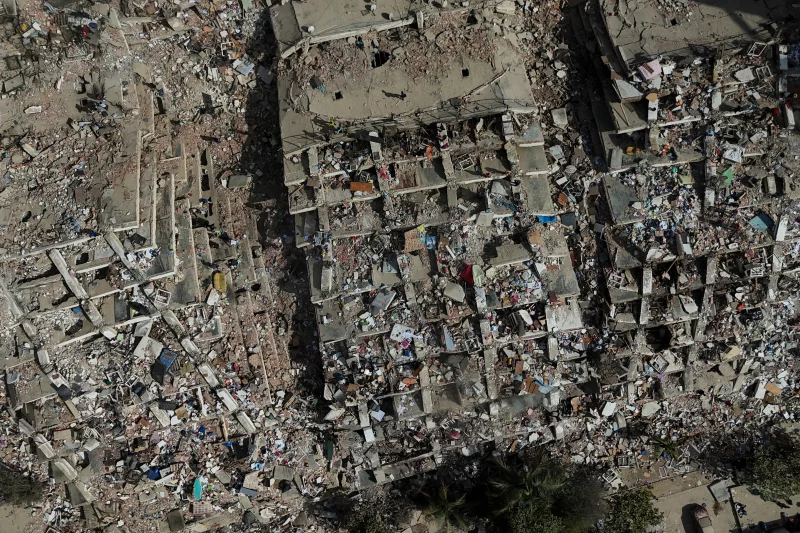
One of the hardest-hit regions is La Guaira, where entire apartment blocks collapsed or suffered severe structural damage.
Key conditions reported include:
- Buildings fully pancaked into lower floors
- Major infrastructure collapse across residential zones
- Roads blocked by debris and twisted metal
- Widespread displacement of families
In areas like Caraballeda, rescue teams describe scenes of total devastation, with only partial structures remaining standing.
Growing Humanitarian Concerns
Local accounts highlight worsening conditions, including:
- Limited access to clean water and sanitation
- Overcrowded temporary shelters
- Emotional distress among displaced families
- Difficulty reaching trapped individuals due to debris
These challenges are significantly complicating the ongoing Venezuela earthquake rescue operations.
Venezuela Earthquake Rescue Operations Enter Critical Stage
As the search enters its fourth day, the Venezuela earthquake rescue operations are becoming increasingly urgent. Experts note that survival chances drop sharply after the first 72 hours, making current efforts extremely time-sensitive.
Search and Rescue Techniques Being Used
Emergency teams are relying on both traditional and improvised methods to locate survivors:
- Manual digging through collapsed concrete
- Use of small tools and hand shovels
- Listening for sounds beneath rubble
- Coordinated shouting and signaling efforts
Rescue workers have been heard calling into debris fields, urging survivors to respond by making any noise possible.
Volunteer and Family Participation
In many areas, residents have joined official teams, often without protective equipment. Families of missing persons are also actively involved, waiting near damaged buildings and assisting where possible.
Common actions include:
- Searching debris with bare hands
- Providing tools to rescue personnel
- Marking suspected survivor locations
- Monitoring rescue progress near collapsed structures
The emotional toll is significant as families wait for updates on loved ones still trapped beneath the rubble.
Rising Death Toll and Missing Persons Crisis
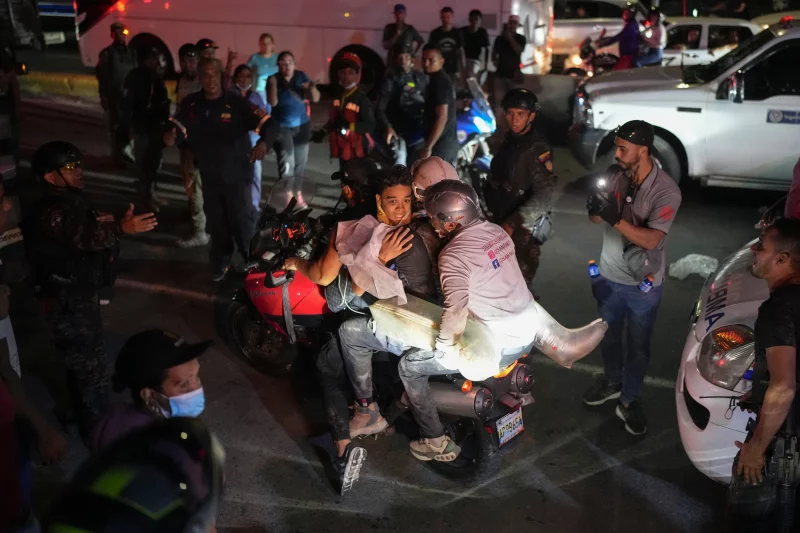
Officials in Venezuela have reported that the death toll has reached more than 1,400 people, with thousands more injured. However, authorities warn that the number may continue to rise as search efforts progress.
Key Figures Reported
- Confirmed deaths: Approximately 1,430
- Injured: Nearly 3,500
- Missing persons: Thousands still unaccounted for
These figures highlight the scale of the disaster and the urgency of ongoing Venezuela earthquake rescue operations.
Challenges in Accounting for Survivors
Several factors are complicating efforts to determine the full extent of the disaster:
- Damaged communication systems
- Collapsed registration and housing records
- Displacement of entire communities
- Limited access to remote or heavily damaged zones
Human Stories Emerging From the Rubble
Beyond the statistics, personal stories from affected residents reveal the emotional impact of the disaster.
Families Searching for Loved Ones
In multiple neighborhoods across La Guaira, residents report searching for relatives trapped in collapsed apartment buildings.
Common situations include:
- Missing family members trapped on upper floors
- Uncertainty about survival status
- Emotional distress and prolonged waiting periods
Survivors and Rescue Moments
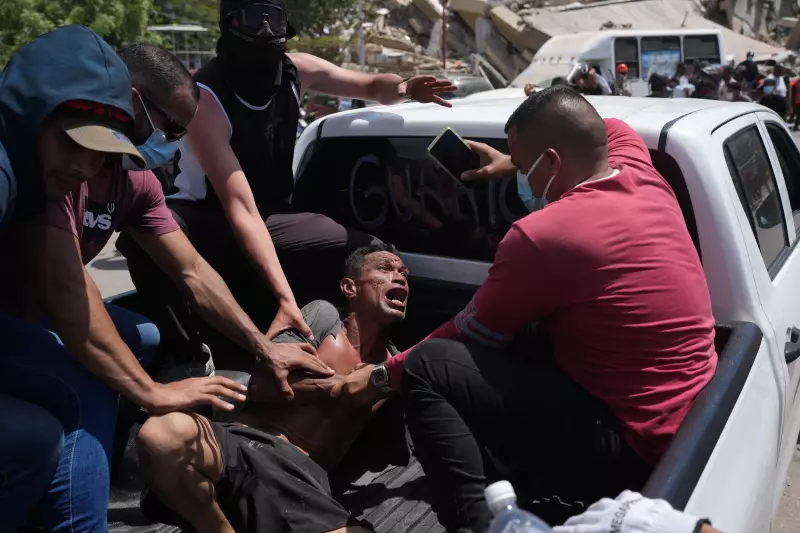
There have been reports of individuals being pulled alive from debris after days trapped under collapsed structures. These rescues offer brief moments of hope amid widespread destruction.
However, such recoveries are becoming less frequent as time passes, underscoring the urgency of the Venezuela earthquake rescue operations.
Infrastructure Damage and Public Health Risks
The earthquakes have left significant damage across urban infrastructure in northern Venezuela, raising concerns about secondary crises.
Structural Damage Overview
Many buildings in affected areas now show:
- Deep cracks in supporting walls
- Partial collapses of multi-story structures
- Exposed interiors of high-rise apartments
- Unstable foundations in residential zones
Some buildings remain standing but are considered unsafe for occupation.
Public Health Concerns
Authorities and humanitarian workers are also warning about emerging risks:
- Lack of sanitation in crowded shelters
- Potential spread of disease due to overcrowding
- Strong odors in heavily affected zones
- Limited access to medical care
These conditions are adding pressure to ongoing Venezuela earthquake rescue operations.
Government and Emergency Response Measures
Authorities in Venezuela have deployed emergency response teams across affected regions, prioritizing search and rescue, medical assistance, and infrastructure assessment.
Key Response Actions
- Deployment of rescue workers and civil defense units
- Opening of temporary shelters for displaced residents
- Partial reopening of transport routes for aid delivery
- Coordination of emergency logistics through affected regions
International Aid and Relief Efforts
Cargo planes carrying emergency supplies have begun arriving, supporting overwhelmed local systems. Aid distribution is focused on:
- Medical supplies
- Food and water
- Emergency shelter materials
- Rescue equipment
Conclusion of Search Window Concerns
Experts emphasize that the first 72 hours after a disaster are crucial for survival, and the ongoing Venezuela earthquake rescue operations are now approaching the end of this critical window.
While rescue teams continue to work tirelessly, conditions on the ground are becoming increasingly difficult due to debris, infrastructure damage, and limited resources. The coming days will be decisive in determining how many additional survivors can be located and rescued.
FAQ
What is happening in Venezuela after the earthquakes?
Rescue teams are conducting large-scale Venezuela earthquake rescue operations across affected regions, searching collapsed buildings for survivors.
Which areas are most affected by the earthquakes in Venezuela?
The hardest-hit areas include La Guaira and nearby coastal zones such as Caraballeda.
How many people are affected by the Venezuela earthquake?
Authorities report over 1,400 deaths, thousands injured, and many more still missing across affected regions.
Why are rescue operations so urgent right now?
Survival chances decrease significantly after the first 72 hours, making ongoing Venezuela earthquake rescue operations time-sensitive.
Conclusion
The disaster in northern Venezuela has created one of the most challenging humanitarian emergencies in recent years. As rescue teams continue their efforts across collapsed buildings and devastated neighborhoods, the focus remains on locating survivors and supporting displaced communities. The scale of destruction highlights both the urgency and difficulty of ongoing response efforts as the situation continues to evolve.
Click here for more news