 0
0
 0
0
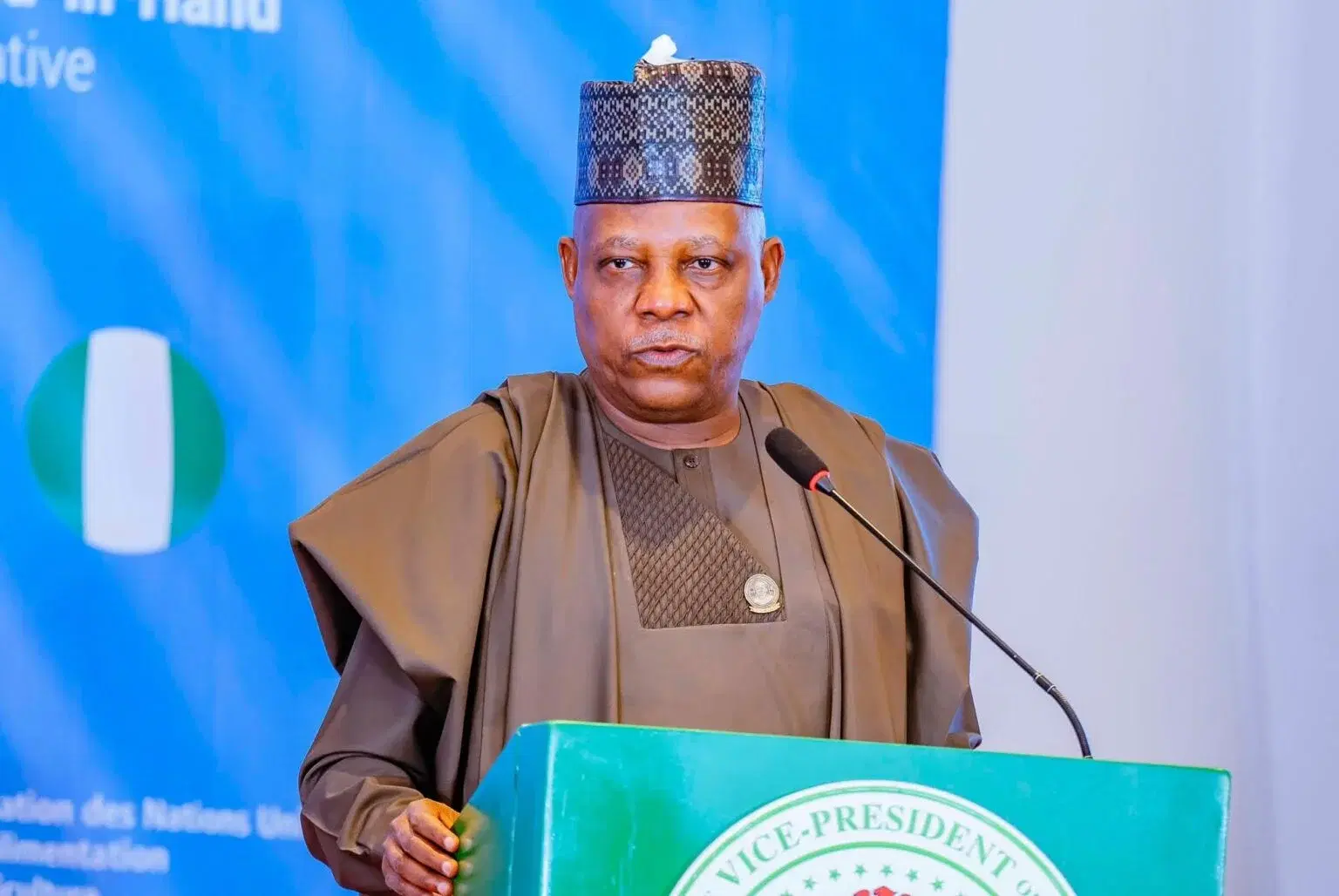
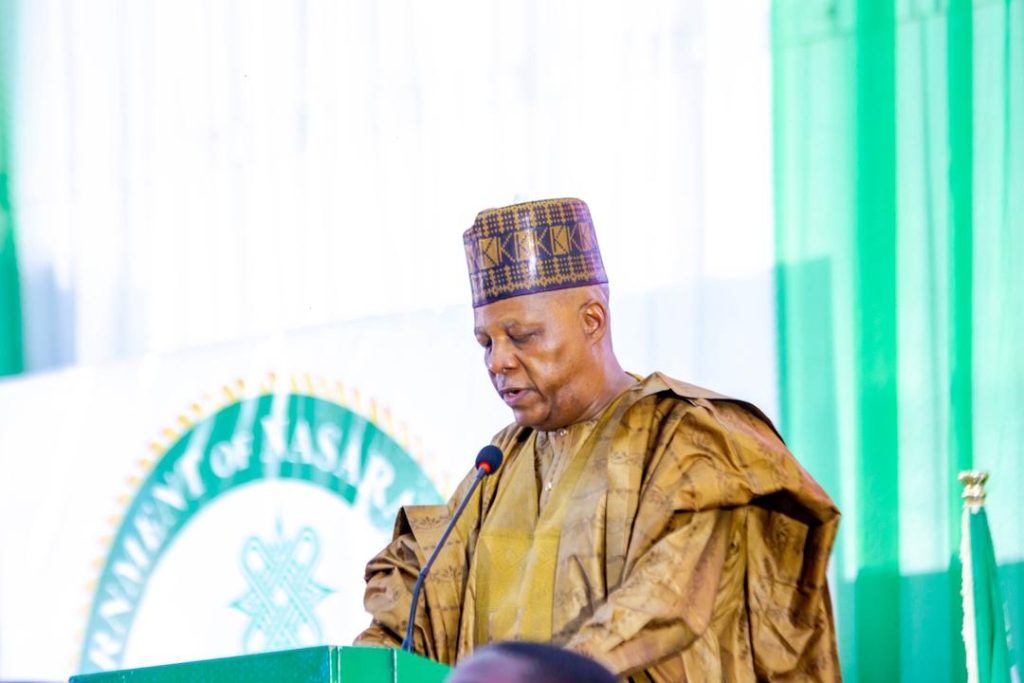
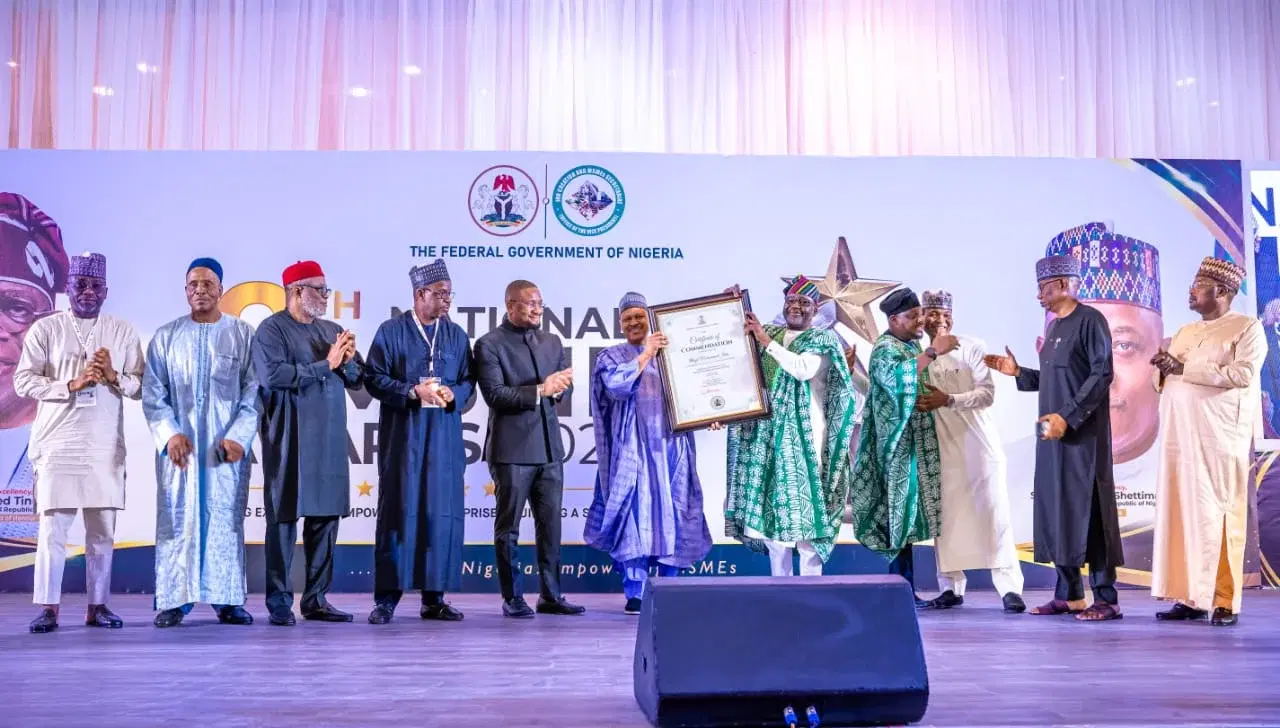
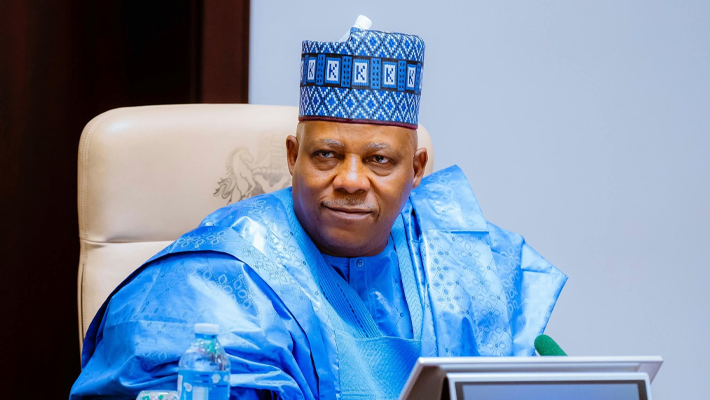
The MSMEs improving livelihoods Nigeria agenda has been described as a central pillar of national development, as the Vice President of Nigeria, Kashim Shettima, reaffirmed that small and medium-scale enterprises are driving economic transformation across the country. Speaking at the 8th National MSME Awards in Abuja, he emphasized that Micro, Small, and Medium Enterprises remain the backbone of Nigeria’s economy.
The MSMEs improving livelihoods Nigeria framework, according to the administration, is designed to expand opportunities, strengthen entrepreneurship, and ensure more equitable distribution of national prosperity.
MSMEs Improving Livelihoods Nigeria Through Economic Transformation
The government has continued to position MSMEs as key drivers of inclusive economic growth under the current administration.
Federal Government Economic Vision
Kashim Shettima explained that the administration of President Bola Tinubu is building an enterprise-driven economy focused on:
- Expanding access to business opportunities
- Supporting small business innovation
- Reducing structural barriers to growth
- Strengthening national productivity
He noted that MSMEs improving livelihoods Nigeria is not just a slogan but a structured policy direction.
Focus on Inclusive Prosperity
The Vice President emphasized that economic growth must be:
- Decentralized across regions
- Accessible to all citizens
- Driven by private sector participation
- Supported by public infrastructure investment
MSMEs Improving Livelihoods Nigeria Through Job Creation
One of the strongest arguments presented at the MSME Awards was the role of small businesses in job creation.
MSMEs as Major Employers
According to data highlighted at the event:
- MSMEs account for about 90% of Nigerian businesses
- They employ over 60 million Nigerians
- They serve as the largest source of informal and formal jobs
This reinforces the MSMEs improving livelihoods Nigeria narrative as a national economic reality.
Impact on Local Communities
Small businesses contribute to:
- Community development
- Household income stability
- Youth employment opportunities
- Rural economic growth
MSMEs Improving Livelihoods Nigeria Through Government Support Programs
The federal government has introduced several initiatives to strengthen the MSME ecosystem.
Expanded National MSME Clinics
One of the key programs highlighted is the Expanded National MSME Clinics.
How the Clinics Work
The clinics bring together:
- Regulatory agencies
- Financial institutions
- Business support organizations
Key Benefits for Entrepreneurs
Entrepreneurs receive:
- On-the-spot resolution of business issues
- Access to financial guidance
- Regulatory compliance support
- Direct engagement with government agencies
These initiatives are central to MSMEs improving livelihoods Nigeria efforts.
State-Level Collaboration
Since 2023, the program has expanded across all six geopolitical zones, working closely with state governments to improve reach and impact.
MSMEs Improving Livelihoods Nigeria Through Innovation and Enterprise
The administration has emphasized innovation as a critical driver of MSME success.
Encouraging Entrepreneurship
Kashim Shettima urged entrepreneurs to continue building businesses, stating that Nigeria depends on:
- Creative ideas
- Job creation efforts
- Entrepreneurial leadership
He noted that MSMEs improving livelihoods Nigeria requires sustained innovation and resilience.
Building a Sustainable Ecosystem
The government’s strategy includes:
- Infrastructure development
- Access to finance
- Digital transformation support
- Reduction of bureaucratic bottlenecks
MSMEs Improving Livelihoods Nigeria Under the Renewed Hope Agenda
The MSME sector plays a central role in the broader economic policy framework of the federal government.
Renewed Hope Economic Strategy
The Renewed Hope Agenda focuses on:
- Strengthening small businesses
- Encouraging private sector growth
- Promoting economic inclusion
- Supporting long-term sustainability
This aligns directly with MSMEs improving livelihoods Nigeria policy direction.
Moving Beyond Grants and Loans
Officials noted that support for MSMEs should go beyond financial assistance to include:
- Infrastructure development
- Market access support
- Policy reforms
- Institutional capacity building
Challenges Facing MSMEs in Nigeria
Despite progress, small businesses continue to face several challenges.
Structural Barriers
Key issues include:
- Limited access to finance
- High operational costs
- Regulatory complexities
- Infrastructure deficits
Ongoing Reform Efforts
The government is working to address these challenges through:
- Business-friendly policies
- Digitalization of processes
- Expanded support programs
- Improved public-private partnerships
FAQ
What did Shettima say about MSMEs in Nigeria?
Kashim Shettima said MSMEs are improving livelihoods and transforming communities across Nigeria.
How do MSMEs improve livelihoods in Nigeria?
MSMEs create jobs, support local businesses, and drive economic growth in communities across the country.
What is the MSME Clinics program?
It is a government initiative that connects entrepreneurs with regulatory agencies and financial institutions for support.
Why are MSMEs important to Nigeria’s economy?
They make up about 90% of businesses and employ over 60 million Nigerians.
Conclusion
The MSMEs improving livelihoods Nigeria initiative remains a core part of Nigeria’s economic development strategy under the current administration. With continued government support, policy reforms, and private sector collaboration, small businesses are expected to play an even greater role in driving inclusive growth and national prosperity.
Click here for more news