 0
0
 0
0
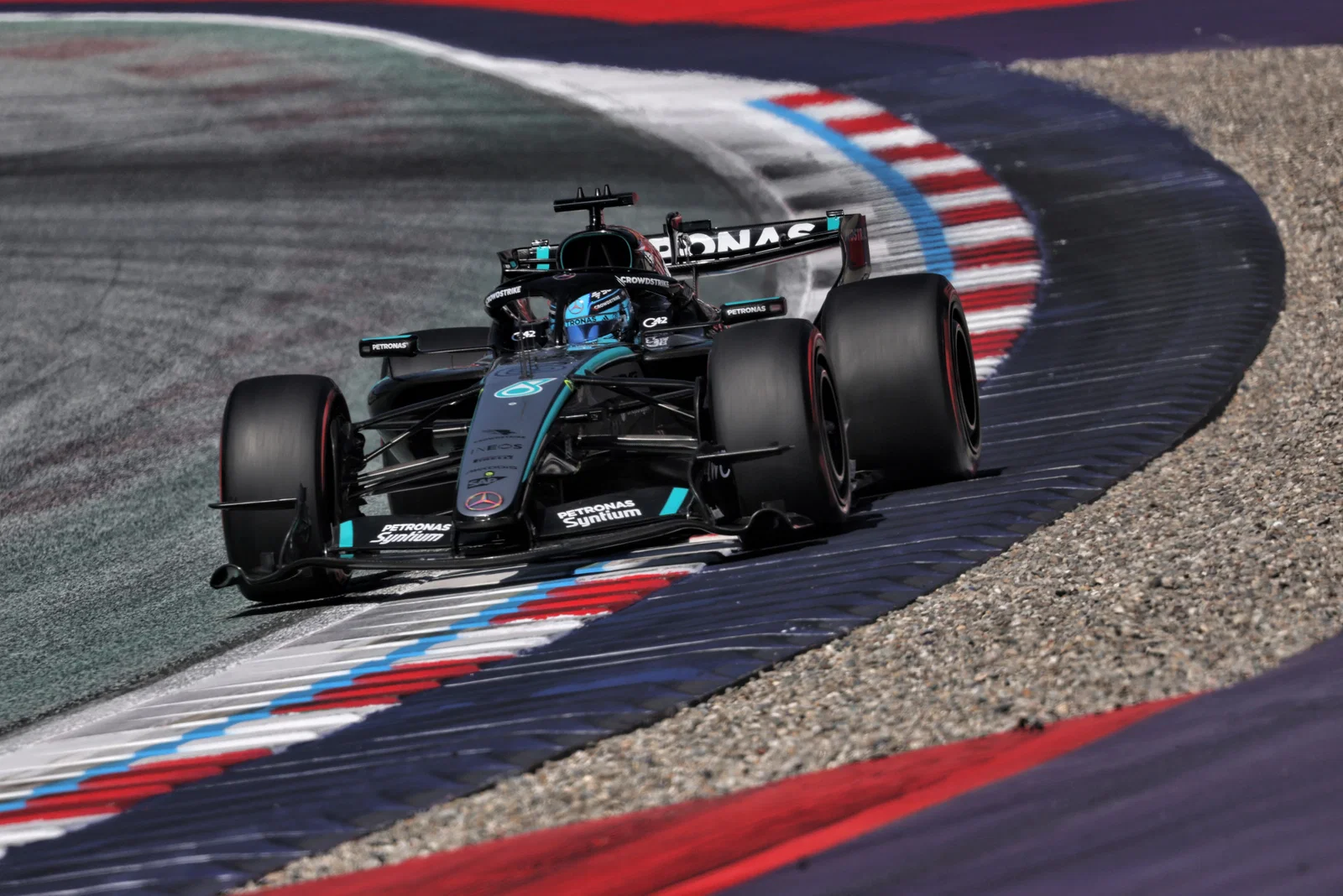
The Austrian Grand Prix qualifying drama delivered one of the most intense sessions of the 2026 Formula 1 season, as George Russell claimed pole position following a chaotic final phase marked by Max Verstappen’s crash. The Austrian Grand Prix qualifying drama unfolded in the closing moments of Q3, reshaping the starting grid and denying Ferrari a potential front-row lockout.
Russell’s late flying lap secured him pole in dramatic fashion, while officials also opened an investigation into a possible yellow flag infringement during his final attempt.
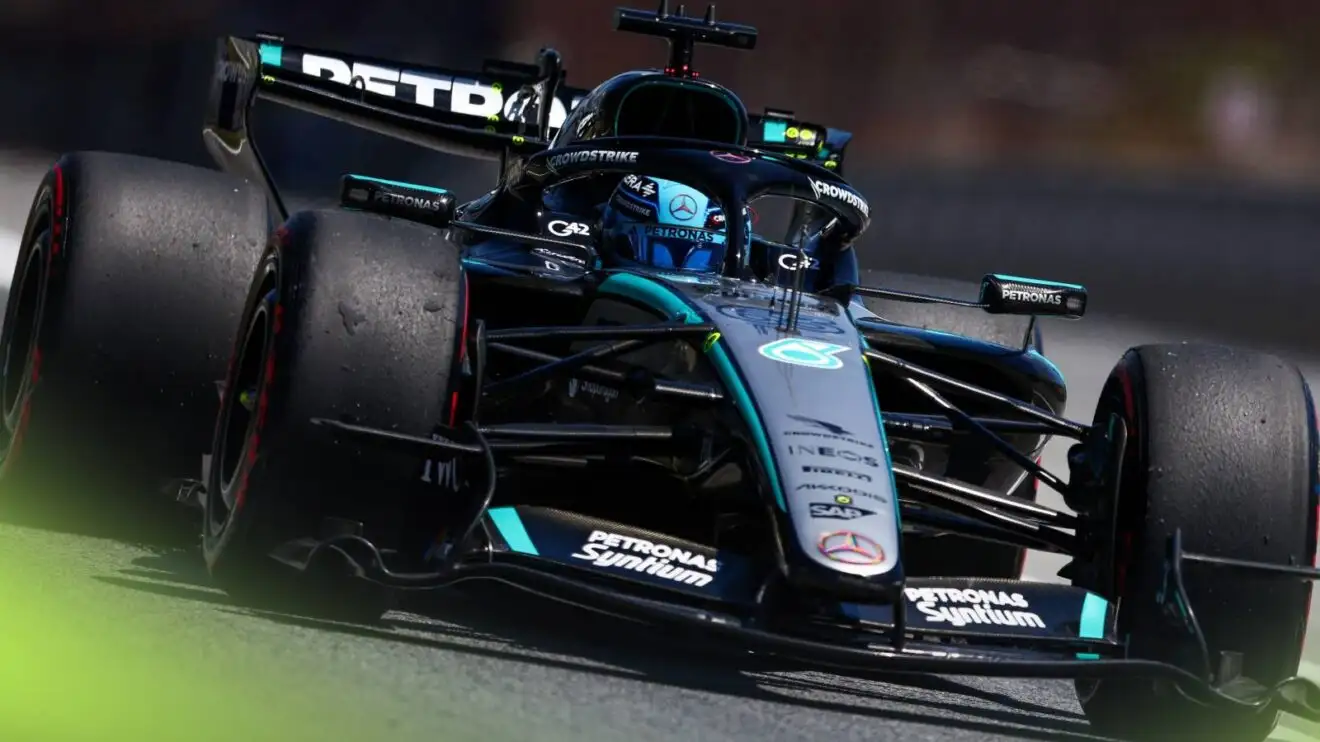
How George Russell Claimed Pole Position in Austria
George Russell delivered a standout performance under pressure to secure pole position with a lap time of 1m06.113s.
Late Lap Performance Under Pressure
Russell’s final lap came after both Ferrari drivers had briefly taken control of the timing sheets.
Key highlights of his lap:
- Fastest overall time: 1m06.113s
- Fourth pole position of the 2026 season
- 11th career pole in Formula 1
- Maintained Mercedes’ perfect 2026 pole streak
The Austrian Grand Prix qualifying drama intensified as Russell crossed the line just ahead of Ferrari’s challenge.
Mercedes Maintain Qualifying Dominance
Mercedes continued their strong qualifying form in 2026, extending a streak of pole positions that has defined their season so far.
Key Mercedes Qualifying Strengths
- Strong single-lap pace across circuits
- Consistent tyre preparation in Q3
- Effective timing strategy during final runs
Russell’s performance reinforced Mercedes’ ability to deliver when it matters most.
Ferrari Miss Out on Front-Row Lockout
Ferrari looked set for a strong qualifying result before Russell’s late surge disrupted their hopes of a front-row sweep.
Leclerc and Hamilton Briefly Lead the Session
At one stage in Q3:
- Charles Leclerc moved ahead of the field
- Lewis Hamilton followed closely in second
- Ferrari appeared set for P1 and P2 start positions
However, the Austrian Grand Prix qualifying drama shifted momentum in the final minutes.
Final Moments Disrupt Ferrari Strategy
Ferrari’s hopes were overturned due to:
- Late track evolution favoring final runners
- Verstappen’s crash causing yellow flags
- Russell’s timing advantage on final push lap
Max Verstappen Crash Changes Qualifying Outcome
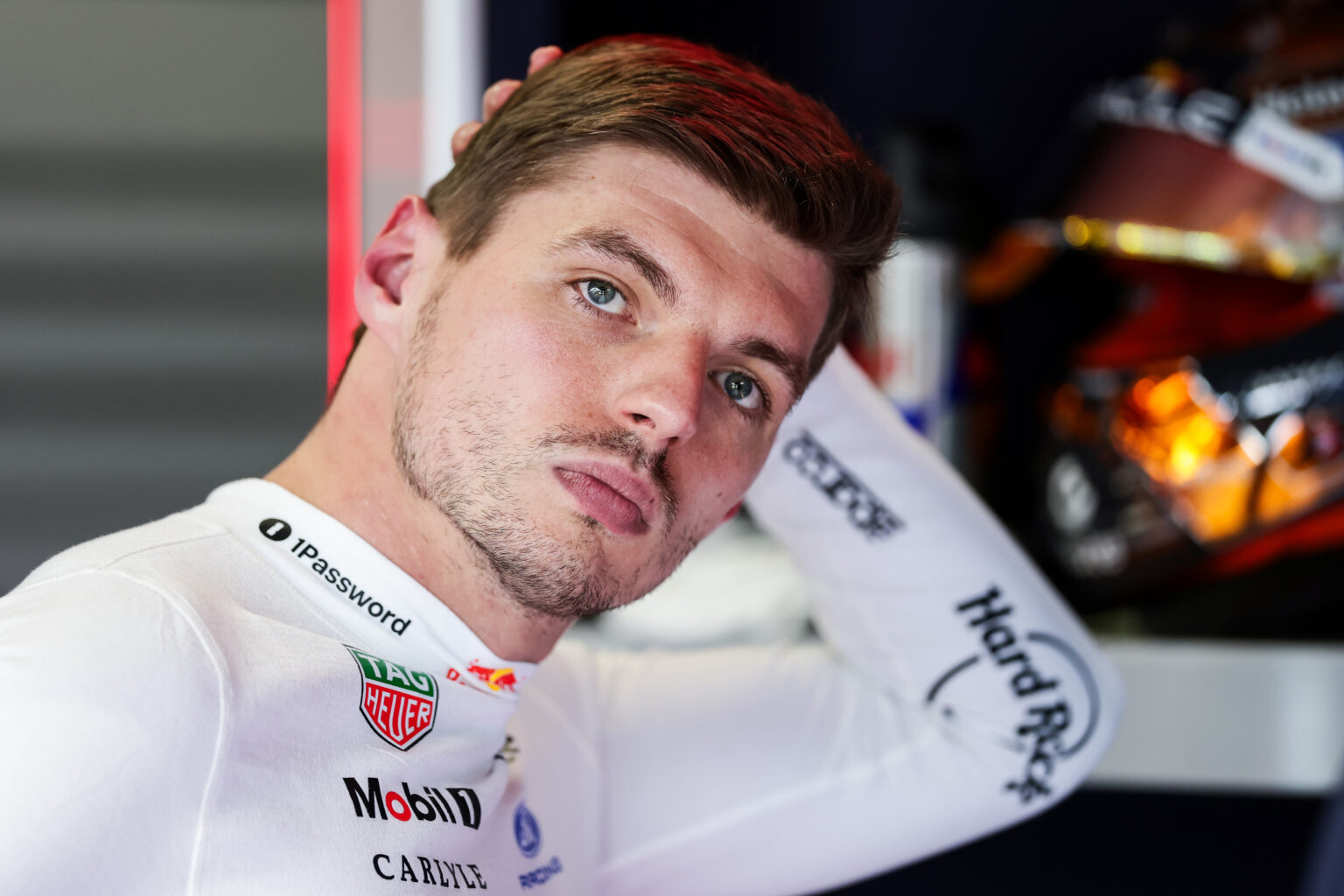
A major turning point in qualifying came when Max Verstappen crashed at Turn 9 during the final stages of the session.
What Happened in Turn 9 Incident
Verstappen lost control in a high-speed section of the circuit, bringing out caution conditions.
Immediate Consequences
- Session briefly disrupted by yellow flags
- Multiple drivers forced to abort laps
- Timing order significantly affected
The Austrian Grand Prix qualifying drama escalated as teams reacted to changing track conditions.
Impact on Grid and Competitors
The crash influenced several key outcomes:
- Interrupted Ferrari’s final push
- Created uncertainty over lap validity
- Triggered stewards’ review processes
Russell Under Investigation for Yellow Flag Infringement
Despite securing pole, George Russell’s result is not yet fully confirmed due to an ongoing investigation.
Steward Review Details
Officials are examining whether Russell complied with yellow flag rules during his fastest lap.
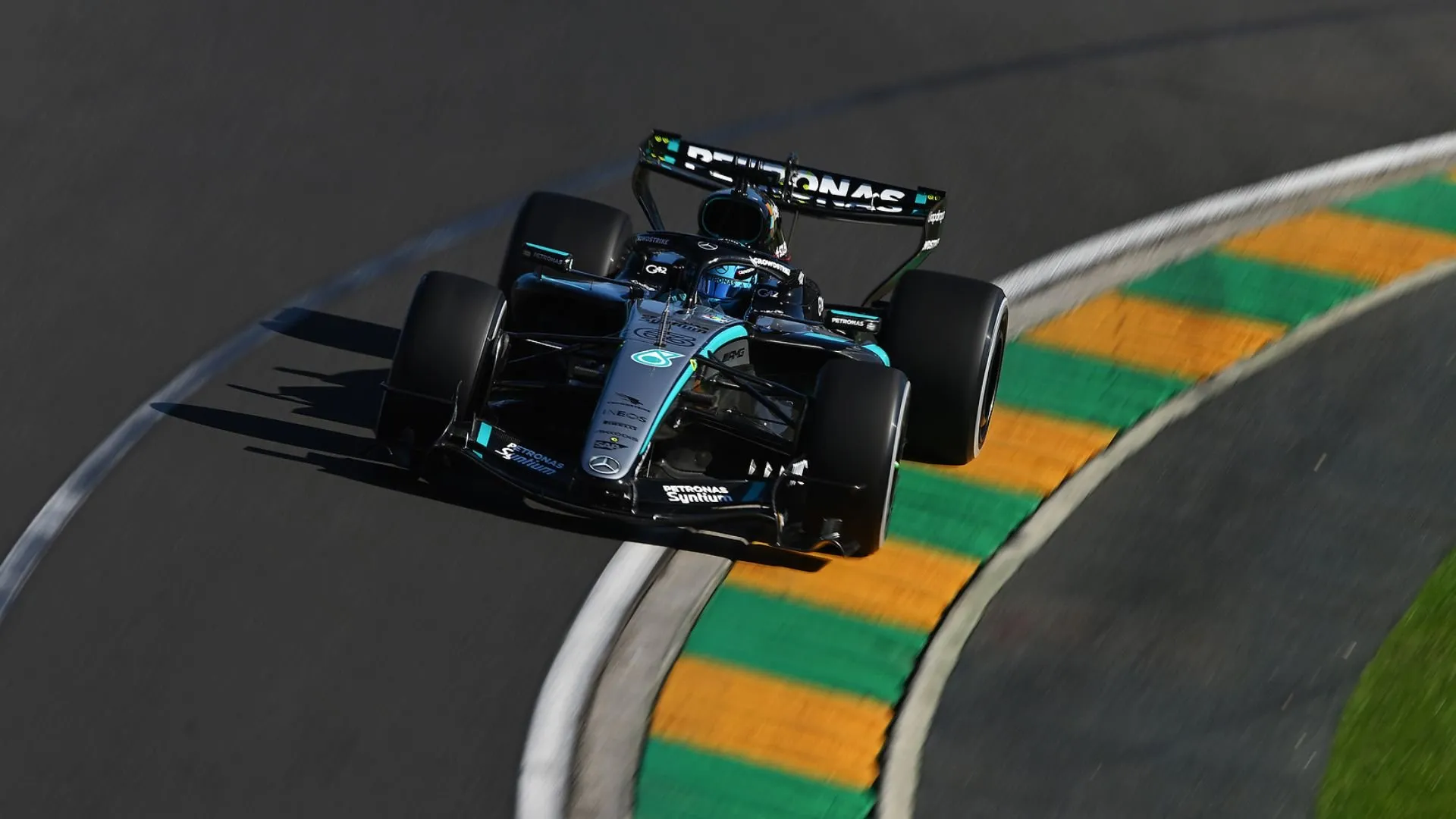
Key Points Under Review
- Possible double waved yellow flags in sector
- Whether Russell reduced speed appropriately
- Impact of Verstappen’s crash on lap legality
The Austrian Grand Prix qualifying drama now includes a post-session regulatory angle that could still alter the final starting grid.
Possible Outcomes of Investigation
Depending on steward findings, outcomes may include:
- No action taken, confirming pole position
- Time deletion from final classification
- Grid position adjustment if rules were breached
Full Top Three Qualifying Overview
The final classification saw major reshuffling in the last moments of Q3.
Final Top Three Snapshot
- George Russell – Mercedes
- Charles Leclerc – Ferrari
- Lewis Hamilton – Ferrari
Competitive Balance in Qualifying
The session highlighted:
- Extremely tight margins between top teams
- Importance of final Q3 runs
- Impact of track conditions and timing
The Austrian Grand Prix qualifying drama demonstrated how quickly fortunes can change in Formula 1 qualifying.
Why This Qualifying Session Stands Out
This qualifying session is being described as one of the most eventful of the 2026 season.
Key Factors Behind the Drama
- Late-session crash altering race conditions
- Multiple teams in contention for pole
- Ongoing stewards’ investigation
- Shifting track grip in final minutes
Strategic Lessons for Teams
Teams will likely review:
- Timing of final Q3 runs
- Response to yellow flag situations
- Risk management during peak track evolution
FAQ
What caused the Austrian Grand Prix qualifying drama?
The Austrian Grand Prix qualifying drama was triggered by Max Verstappen’s crash and a late lap from George Russell that secured pole position.
Why is George Russell under investigation?
Russell is being reviewed for a possible yellow flag infringement during his fastest qualifying lap after Verstappen’s crash.
Which teams performed best in Austrian qualifying?
Mercedes and Ferrari were the standout teams, with Russell taking pole ahead of Charles Leclerc and Lewis Hamilton.
Could Russell lose pole position?
Yes, depending on the stewards’ decision, Russell could retain pole, have his time deleted, or face a grid penalty.
Conclusion
The Austrian Grand Prix qualifying drama delivered a highly unpredictable session defined by late crashes, shifting track conditions, and intense competition at the front. George Russell’s pole position capped a dramatic evening, but the final outcome remains uncertain due to ongoing steward review.
As the 2026 Formula 1 season continues, this qualifying session will be remembered for its high stakes, split-second decisions, and potential grid-altering consequences.
Click here for more news