
 0
0
 0
0
The Ekiti election victory confidence in Tinubu narrative took center stage after Governor Biodun Oyebanji attributed his re-election success to both his administration’s performance and the support provided by President Bola Tinubu’s government. Following the conclusion of the 2026 governorship election, the governor described the outcome as a strong endorsement of his leadership and the policies implemented over the past four years.
Oyebanji secured a total of 319,224 votes in the election, earning another four-year mandate from voters across the state. Speaking to members of the ruling All Progressives Congress (APC) and supporters in Ado-Ekiti, he expressed appreciation to residents while outlining his administration’s plans for the future.
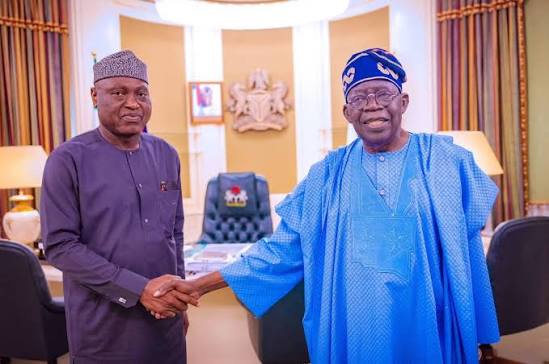
Oyebanji Declares Victory a Validation of Performance
Governor Oyebanji stated that the election result reflected public approval of his administration’s work since taking office. According to him, voters assessed the government’s record and made their decision based on visible projects and policies implemented across the state.
He maintained that the outcome was not only a judgment on his tenure but also a broader indication of support for the federal government led by President Bola Tinubu.
The governor emphasized that many of the achievements recorded during his administration were made possible through cooperation between the state and federal governments.
Support From the Federal Government
According to Oyebanji, the availability of federal resources and support created an environment that enabled his administration to execute key development initiatives.
He noted that collaboration with the federal government helped drive projects aimed at improving infrastructure, social services, and economic opportunities for residents.
Voters’ Assessment of Governance
The governor argued that elections often serve as an opportunity for citizens to evaluate the performance of elected officials. He suggested that the outcome demonstrated satisfaction among voters regarding the direction of governance in the state.
This perspective forms a central part of the Ekiti election victory confidence in Tinubu discussion that emerged following the election results.
Election Results and Political Significance
The 2026 Ekiti governorship election attracted significant attention due to its political implications both within the state and nationally.
Observers viewed the contest as an important test of political strength ahead of future electoral cycles. The result delivered a decisive victory for the incumbent governor and strengthened the APC’s position in the state.
Total Votes Secured
Official results showed that Governor Oyebanji received 319,224 votes, giving him a clear advantage in the election.
The result reinforced his political standing and provided his administration with a renewed mandate to continue implementing its agenda over the next four years.
Impact on State Politics
The election outcome is expected to shape political dynamics in Ekiti State for years to come.
Political analysts often view re-election victories as opportunities for administrations to build on existing policies while addressing emerging challenges. The governor has indicated that his focus will remain on governance and development initiatives.
Plans for a New Four-Year Term
Following his victory, Oyebanji pledged to intensify efforts aimed at improving living standards across the state.
He described the beginning of his second term as the start of a new phase characterized by peace, stability, and development.
Focus on Prosperity Agenda
The governor said his administration would continue pursuing policies designed to promote economic growth and improve public welfare.
Key priorities are expected to include:
- Infrastructure development
- Education improvements
- Healthcare expansion
- Economic empowerment initiatives
- Rural development projects
He stated that ongoing projects would be accelerated to ensure residents benefit more quickly from government interventions.
Commitment to Public Service
Oyebanji assured residents that his administration would remain committed to serving the interests of the people.
According to him, the renewed mandate carries a responsibility to deliver even greater results over the next four years.
The Ekiti election victory confidence in Tinubu narrative was again highlighted as the governor linked future development plans to continued collaboration between state and federal authorities.
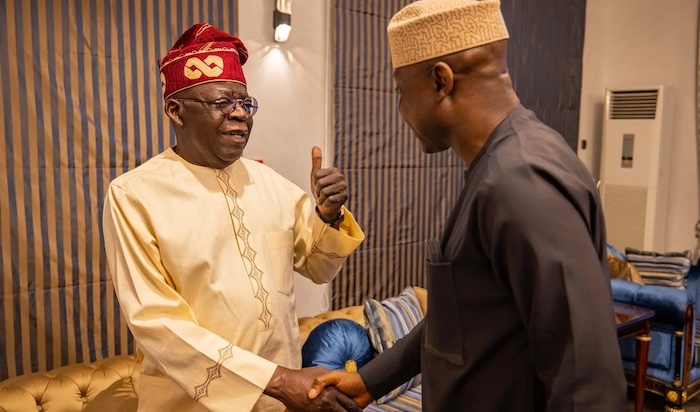
Governor Highlights Unique Nature of the Election
One of the key points raised by Oyebanji after the election was what he described as the unusual level of political unity witnessed during the campaign period.
According to him, the election stood out for several reasons that distinguished it from previous contests in the state’s history.
Support From Former Governors
The governor noted that all former governors of the state aligned behind a single political party and candidate during the election.
He described this development as unprecedented in Ekiti’s political history, arguing that it reflected a broad consensus among influential political figures within the state.
Peaceful Campaign Process
Another aspect emphasized by Oyebanji was the peaceful conduct of the election campaign.
He pointed out that the campaign period lasted for several months without major incidents of violence. This, he said, demonstrated a commitment by political stakeholders to maintaining peace throughout the electoral process.
Peaceful elections are often viewed as an important indicator of democratic maturity and political stability.
Criticism of Opposition Campaign Strategies
The governor also addressed criticism directed at his administration during the campaign.
He accused opposition figures of focusing heavily on media campaigns and online narratives rather than presenting concrete achievements or alternative policy proposals.
Social Media and Electoral Politics
Oyebanji argued that electoral success ultimately depends on voter support at polling units rather than online engagement.
While acknowledging the role of social media in modern politics, he maintained that real-world governance and public service remain decisive factors during elections.
Defense of Government Record
The governor defended his administration’s performance and suggested that voters based their choices on measurable outcomes rather than campaign rhetoric.
He stated that governments with visible achievements are better positioned to earn public trust during elections.
The discussion surrounding Ekiti election victory confidence in Tinubu also featured prominently in his response to critics, as he continued to associate the election outcome with broader support for both state and federal leadership.
Opposition Reaction and Future Political Developments
Oyebanji acknowledged that opposition parties may challenge or dispute aspects of the election result.
However, he expressed confidence in the legitimacy of the outcome and maintained that the final vote reflected the will of the electorate.
Political observers expect reactions from opposition groups to continue in the coming weeks as stakeholders assess the election’s implications.
Democratic Competition Remains Important
Despite disagreements among political parties, elections remain a central feature of Nigeria’s democratic process.
Competition between parties encourages public debate on governance, development priorities, and policy alternatives.
Looking Ahead
As the state moves beyond the election period, attention is likely to shift toward governance and policy implementation.
Residents will be watching closely to see how campaign promises translate into measurable outcomes during the governor’s second term.
Broader Implications for Nigerian Politics
The Ekiti election victory confidence in Tinubu narrative may carry significance beyond state boundaries.
Governorship elections often serve as indicators of political trends and public sentiment. While each state election has its unique circumstances, political actors frequently examine such outcomes for insights into voter behavior and party strength.
The election result in Ekiti may therefore contribute to broader conversations about governance, political performance, and public
expectations across Nigeria.
FAQ
What did Governor Oyebanji say about his Ekiti election victory?
Governor Biodun Oyebanji said his re-election was a validation of his administration’s performance and also reflected voter confidence in President Bola Tinubu’s government.
How many votes did Oyebanji receive in the 2026 Ekiti governorship election?
The governor secured 319,224 votes, earning another four-year term in office.
Why did Oyebanji describe the election as unique?
He said the election was unique because former governors united behind a single candidate and the campaign period remained largely peaceful without major incidents of violence.
What are the key priorities for Oyebanji’s second term?
His administration plans to focus on infrastructure development, education, healthcare, economic growth, rural development, and ongoing public projects.
The 2026 Ekiti governorship election concluded with a decisive victory for Governor Biodun Oyebanji, who has framed the result as both an endorsement of his leadership and an indication of support for President Bola Tinubu’s administration. As attention turns from campaigning to governance, residents and political observers will be monitoring how the governor’s promises and development agenda are implemented during his new term.
Click here for more news