0
0
 0
0
Fulani militants killings in Nigeria have again drawn international attention after the United States Commission on International Religious Freedom, USCIRF, released a report claiming that an estimated 30,000 armed Fulani militants are operating across different parts of the country.
The report stated that violent attacks linked to armed Fulani groups caused significant deaths across religious communities over the past year, surpassing casualties attributed to some insurgent and criminal groups.
According to the commission, the violence has affected both Christian and Muslim communities in several regions of Nigeria.

USCIRF Report Highlights Scale of Violence
The USCIRF report examined the role of armed Fulani groups in worsening religious freedom conditions and insecurity in Nigeria.
It explained that many attacks have occurred in the Middle Belt, northwestern states, and increasingly in southern regions of the country.
Estimated Number of Armed Militants
According to the report, approximately 30,000 militants linked to Fulani armed groups may currently be operating across Nigeria.
The commission stated that these groups often concentrate in northern regions before moving through the Middle Belt and into southern communities.
The Fulani militants killings in Nigeria report noted that while the groups lack centralized leadership, some collaborate during coordinated attacks.
Areas Most Affected by Violence
Several regions have reportedly experienced repeated attacks linked to armed groups.
The report highlighted:
- Parts of the Middle Belt
- Northwestern states
- Rural farming communities
- Some southern communities
According to observers, insecurity in these areas has contributed to displacement, fear, and worsening humanitarian concerns.
Report Says Both Christians and Muslims Were Targeted
The USCIRF stated that violence linked to Fulani militants has not been limited to one religious group.
According to the report, both Christian and Muslim communities have experienced attacks in different parts of the country.
Christian Communities Frequently Affected
The commission claimed that many attacks targeted Christian communities, especially in rural areas of the Middle Belt.
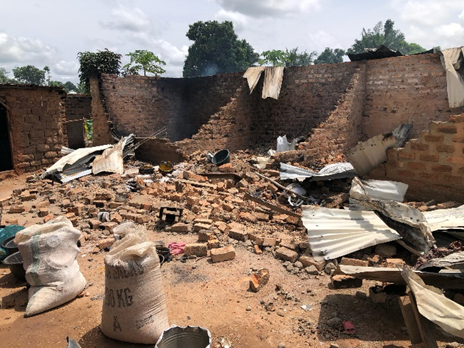
It alleged that homes, churches, and community structures were destroyed during violent raids.
The report also referenced cases involving killings, kidnappings, and attacks on isolated villages.
Muslim Communities Also Impacted
The report added that non-Fulani Muslim communities and cattle herders have also faced violent attacks from armed groups.
According to USCIRF, some militants have raided cattle settlements and attacked Muslim populations in certain regions.
The Fulani militants killings in Nigeria discussion therefore reflects broader security and communal tensions affecting multiple communities.
USCIRF Describes Attack Methods
The report also detailed how armed groups allegedly carry out attacks in vulnerable communities.
Use of Motorcycles and Weapons
According to USCIRF, some armed militants coordinate attacks using motorcycles, radios, machetes, and automatic weapons.
The report stated that assaults often happen at night in rural communities where security presence may be limited.
Observers say such tactics can create panic and make rapid emergency response more difficult.
Coordinated Attacks in Rural Areas
The commission claimed that attackers sometimes strike multiple locations simultaneously to spread fear and force residents to flee.
According to the report, isolated villages and farming settlements are often more vulnerable because of distance from major security infrastructure.
The Fulani militants killings in Nigeria report suggested that these attacks contribute to displacement and long-term instability in affected communities.
Background to Farmer-Herder Conflicts in Nigeria
Nigeria has experienced years of tension involving farming communities, cattle herders, bandit groups, and armed criminal networks.
Security analysts say disputes over land, grazing routes, and community boundaries have contributed to violence in several regions.
Complex Nature of the Conflict
Experts often describe the violence as involving multiple overlapping issues, including:
- Competition over land resources
- Climate and environmental pressures
- Criminal banditry
- Ethnic tensions
- Religious divisions
- Weak security presence in rural areas
Analysts caution that insecurity linked to armed groups in Nigeria is complex and cannot always be reduced to a single cause.
Growing Security Concerns
In recent years, attacks linked to armed groups have raised concerns among local communities, religious organizations, and international observers.
The Fulani militants killings in Nigeria issue continues to attract global attention because of its impact on national security and humanitarian conditions.

Nigerian Authorities Continue Security Efforts
The Nigerian government and security agencies have repeatedly stated their commitment to tackling insecurity across the country.
Military operations, police deployments, and regional security initiatives have been introduced in response to attacks in affected areas.
Government Response to Insecurity
Authorities have continued to launch operations targeting armed criminal groups, terrorists, kidnappers, and bandits operating in different states.
Officials have also emphasized the need for cooperation between communities and security agencies to improve intelligence gathering.
Despite these efforts, many communities continue to demand stronger security protection and faster emergency response systems.
Calls for Lasting Solutions
Civil society groups and security experts have continued to call for long-term strategies capable of addressing the root causes of violence.
Some proposed measures include:
- Improved rural security
- Stronger intelligence coordination
- Conflict resolution mechanisms
- Economic support for vulnerable communities
- Better law enforcement presence
The Fulani militants killings in Nigeria report may further intensify discussions around national security policies and community protection measures.
USCIRF and Religious Freedom Monitoring
The United States Commission on International Religious Freedom regularly publishes reports on religious freedom conditions in different countries.
Its reports often examine issues involving communal violence, attacks on religious groups, and government responses to insecurity.
Focus on Religious Freedom Concerns
The commission stated that the latest report aimed to examine how violence by armed groups affects religious communities in Nigeria.
It also analyzed relationships between communal tensions, armed militancy, and insecurity.
According to USCIRF, attacks targeting religious communities can worsen displacement and humanitarian challenges.
International Attention on Nigeria’s Security Situation
Nigeria’s security situation continues to attract attention from international organizations and foreign governments.
Observers say ongoing violence in rural areas has implications for humanitarian conditions, economic stability, and social cohesion.
The Fulani militants killings in Nigeria report is expected to remain part of broader international discussions surrounding security and religious freedom in the country.
Historical Concerns About Armed Groups
The report referenced earlier global assessments involving violent groups linked to Fulani militants.
Global Terrorism Index Mentioned
According to the report, Fulani militant groups were previously ranked among the deadliest terrorist-linked groups globally in earlier security assessments.
Security experts note that violent attacks associated with armed groups have evolved over the years, with different factions operating independently across regions.
Continued Monitoring of Security Threats
Analysts believe Nigeria’s security agencies will continue monitoring armed groups involved in violence, kidnapping, and attacks on communities.
The challenge of balancing security enforcement with conflict resolution remains a significant issue in several parts of the country.
FAQ
What did the USCIRF report say about Fulani militants in Nigeria?
The report claimed that around 30,000 armed Fulani militants are operating across Nigeria and linked to violent attacks affecting different communities.
Which areas are most affected by the violence?
According to the report, violence has been concentrated in the northwest, Middle Belt, and some southern regions of Nigeria.
Did the report say only Christians were targeted?
No. USCIRF stated that both Christian and Muslim communities have experienced attacks linked to armed Fulani groups.
What security concerns were raised in the report?
The report highlighted killings, kidnappings, destruction of property, displacement, and attacks on vulnerable rural communities.
The latest USCIRF report has added to ongoing discussions about insecurity, communal violence, and religious freedom concerns in Nigeria. As authorities continue security operations and affected communities seek protection, debates over the causes of violence and possible long-term solutions are expected to remain central in national and international conversations.
Click here for more news