 0
0
 0
0
RGB Mini LED vs OLED TV discussions are becoming more common as new television technologies continue to challenge OLED’s long-standing dominance in the premium display market.
The latest attention comes after early reviews of the Hisense UR9 RGB Mini LED TV delivered impressive results, particularly in brightness and color performance. However, experts still believe OLED remains the benchmark for overall cinematic picture quality.
RGB Mini LED Technology Gains Attention
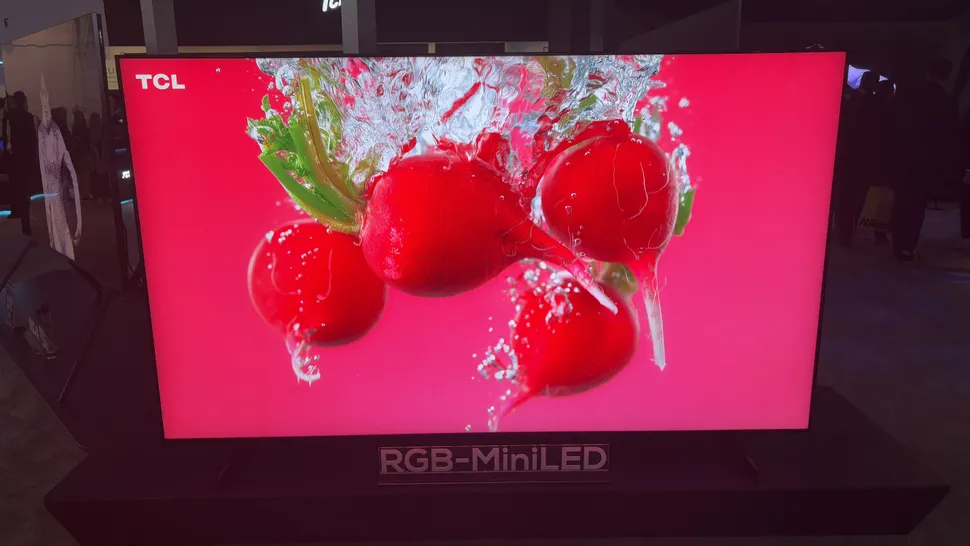
RGB Mini LED is the latest evolution of traditional Mini LED display technology.
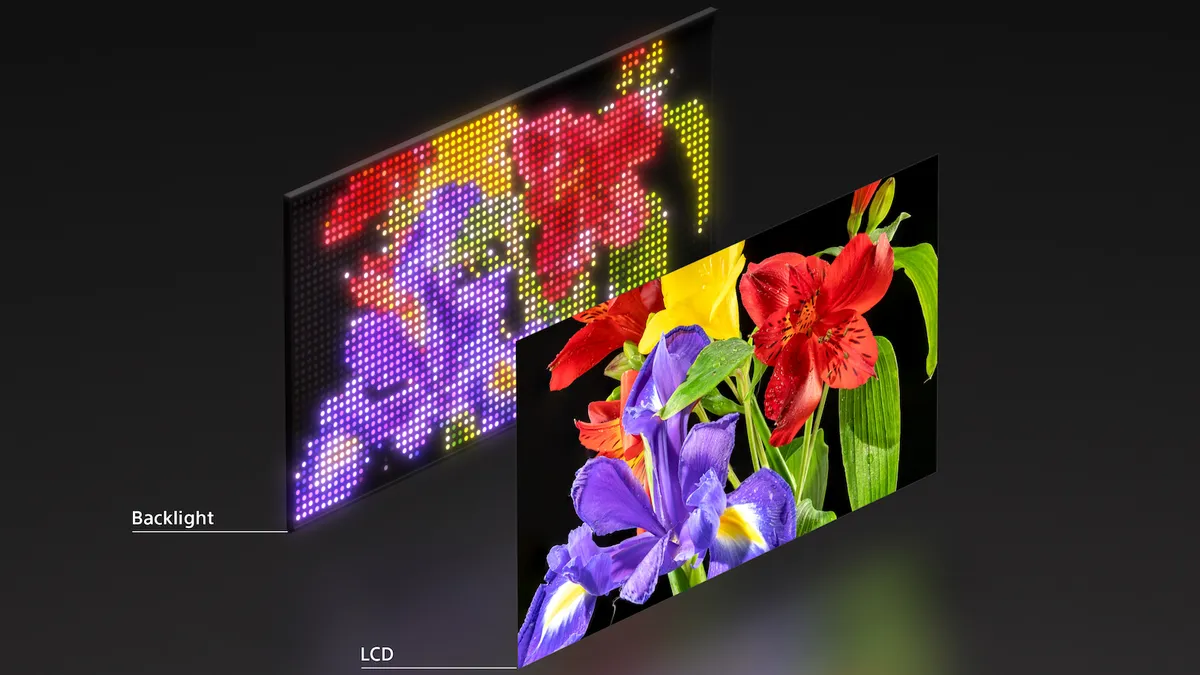
Unlike conventional Mini LED systems that rely on blue backlighting combined with quantum dot enhancement layers, RGB Mini LED panels use separate red, green, and blue LEDs directly in the backlight structure.
How RGB Mini LED Works
The technology uses:
- Independent red, green, and blue diodes
- Optical lens systems behind LCD panels
- Advanced brightness and color management
Manufacturers claim this setup delivers:
- Better color accuracy
- Wider color gamut coverage
- Higher peak brightness
- Improved HDR performance
These advantages are fueling growing RGB Mini LED vs OLED TV debates among home cinema enthusiasts.
Hisense UR9 Delivers Strong Early Performance
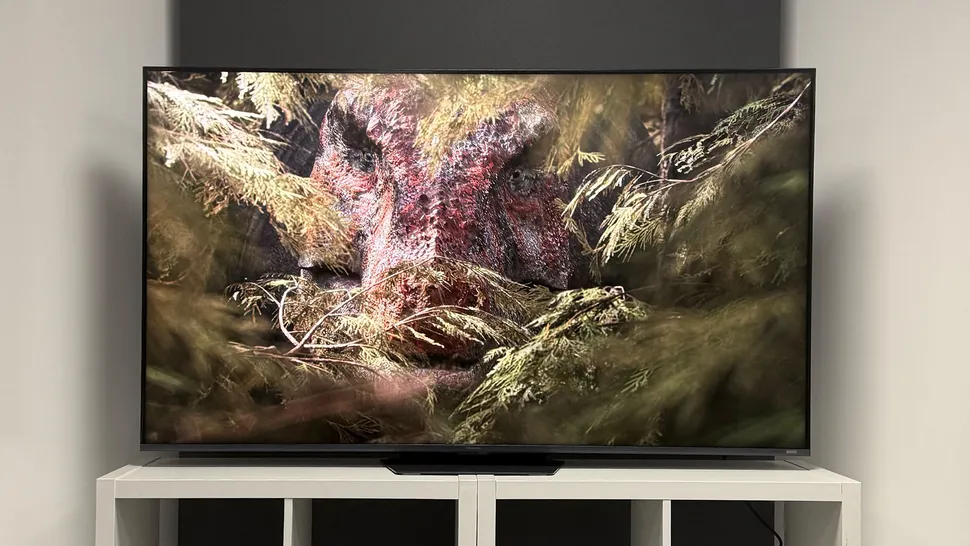
The Hisense UR9 has become one of the first major TVs to showcase RGB Mini LED technology in real-world testing.
Areas Where the UR9 Stands Out
Reviewers highlighted several strengths:
- Extremely bright HDR performance
- Rich and vibrant colors
- Strong cinematic warmth
- Improved contrast in bright scenes
Bright content, especially HDR movies and nature documentaries, reportedly looked especially impressive on the display.
HDR Performance Impresses Reviewers
One of the biggest strengths of RGB Mini LED technology appears to be brightness handling.
The Hisense UR9 reportedly outperformed some OLED competitors in scenes involving:
- Sunlight effects
- Bright fantasy environments
- High-intensity HDR highlights
This gives RGB Mini LED an advantage in rooms with stronger ambient lighting.
Why OLED Still Holds the Premium Crown
Despite the improvements shown by RGB Mini LED technology, OLED still maintains a major advantage in picture precision.
OLED’s Pixel-Level Light Control
OLED panels differ because every pixel generates its own light independently.
This allows for:
- Perfect black levels
- Precise contrast control
- Better shadow detail
- Stronger depth perception
These strengths remain difficult for backlit technologies to fully replicate.
RGB Mini LED vs OLED TV Picture Quality Comparison
The core difference in the RGB Mini LED vs OLED TV battle comes down to how light is controlled across the screen.
RGB Mini LED Advantages
- Higher brightness levels
- Strong HDR impact
- Reduced risk of burn-in
- Better performance in bright rooms
OLED Advantages
- Infinite contrast ratios
- Perfect black reproduction
- Superior local light control
- More cinematic viewing experience
For movie enthusiasts, OLED still remains the preferred option in high-end home theater setups.
Industry Experts Remain Divided
Some TV manufacturers are already positioning RGB Mini LED differently within their product lineups.
Philips and TCL Perspective
Industry representatives have suggested:
- OLED still delivers superior pure image quality
- RGB Mini LED may serve as a strong upper mid-range option
- Premium backlit technologies still have limitations compared to OLED
This suggests RGB Mini LED may compete more directly with mid-to-upper tier OLED models rather than replacing flagship OLED displays entirely.
RGB Mini LED Could Dominate Mid-Range Premium TVs
One area where RGB Mini LED could become extremely competitive is value for money.
Performance-to-Price Potential
RGB Mini LED TVs may offer:
- Near-premium visual quality
- Higher brightness performance
- Lower pricing than flagship OLED TVs
- Better affordability for large-screen buyers
This could make the technology highly attractive in the upper mid-range television market.
OLED Continues to Lead High-End Home Cinema
Even as RGB Mini LED evolves, OLED technology continues to dominate premium television recommendations due to its overall balance and cinematic realism.
The RGB Mini LED vs OLED TV debate is likely to continue as manufacturers improve backlighting precision and color processing.
Frequently Asked Questions
What is RGB Mini LED technology?
RGB Mini LED is an advanced backlit TV technology that uses separate red, green, and blue LEDs for improved brightness and color accuracy.
Is RGB Mini LED better than OLED?
RGB Mini LED offers higher brightness, but OLED still provides superior black levels and pixel-level contrast control.
Why do OLED TVs still lead the premium market?
OLED panels produce perfect blacks and more precise image control, creating a more cinematic viewing experience.
What is the advantage of RGB Mini LED TVs?
They can deliver brighter HDR images and may offer better value compared to premium OLED TVs.
Conclusion
RGB Mini LED vs OLED TV competition is becoming more serious as new technologies improve brightness and color performance in backlit displays. While early RGB Mini LED TVs like the Hisense UR9 show strong promise, OLED still maintains a clear edge in overall cinematic picture quality and premium viewing experiences. For now, OLED remains the top choice for high-end home theater enthusiasts, while RGB Mini LED could emerge as a powerful alternative in the upper mid-range market.
PLEASE CLICK HERE FOR MORE NEWS