 0
0
 0
0
The Trump Republican Party control Massie defeat has further highlighted Donald Trump’s growing influence over the Republican Party after congressman Thomas Massie lost his primary race in Kentucky. The result is being viewed as another strong signal that Trump’s political dominance within the party remains firmly intact as the United States heads toward the next election cycle.
Massie’s defeat adds to a growing list of Republican figures who have faced electoral challenges after opposing Trump-backed positions, reinforcing the idea that internal party dissent is becoming increasingly difficult to sustain.

Massie Defeat Signals Strength of Trump-Backed Candidates
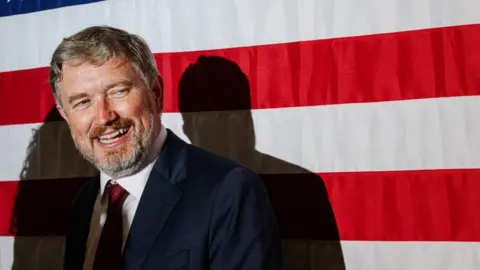
Thomas Massie, a long-time Republican congressman known for his independent political stance, was defeated in the Republican primary by Trump-backed candidate Ed Gallrein. The result has been widely interpreted as a consolidation of Trump’s influence within the party.
Primary Election Outcome in Kentucky
The Kentucky primary race ended with a decisive result in favor of the Trump-endorsed candidate.
Key election details include:
- Ed Gallrein secured approximately 55% of the vote
- Thomas Massie was comfortably defeated
- The winner advances to the general election in November
Growing Pattern of Primary Challenges
The Trump Republican Party control Massie defeat reflects a broader trend in which candidates aligned with Trump have performed strongly in internal party contests.
Observers note:
- Increasing importance of Trump endorsements
- Decline of independent Republican voices in primaries
- Strong voter alignment with Trump-backed agendas
Trump’s Influence Over Republican Party Structure
Political analysts have described the current Republican Party landscape as increasingly centralized around Donald Trump’s leadership and political direction.
Expansion of Political Control
Trump’s influence is seen across multiple areas of the party, including candidate selection and policy alignment.
Key areas of influence:
- Endorsements in primary elections
- Policy direction within Congress
- Party messaging during election cycles
Internal Party Dynamics
The Trump Republican Party control Massie defeat narrative reflects a shift in internal dynamics where dissenting voices face stronger electoral challenges.
Factors contributing to this shift include:
- Strong grassroots support for Trump-aligned candidates
- Financial and political backing for endorsed contenders
- Increasing polarization within party ranks
Thomas Massie’s Political Positions and Opposition
Thomas Massie has been known for taking positions that occasionally diverge from mainstream Republican leadership and Trump-backed policies.
Areas of Political Disagreement
Massie’s opposition included several key legislative and policy issues.
Fiscal Policy Concerns
- Opposed major tax-and-spending legislation
- Raised concerns about federal deficit increases
- Advocated for reduced government spending

Foreign Policy Votes
- Voted to restrict military operations in Venezuela and Iran
- Questioned executive war powers in foreign interventions
Epstein File Transparency Push
One of Massie’s most notable political actions involved efforts to release Justice Department files related to Jeffrey Epstein.
- Advocated for transparency in federal investigations
- Supported congressional pressure for document release
- Faced political pushback within party circles
Broader Republican Party Political Shift
The outcome of the Kentucky primary reflects a broader transformation within the Republican Party’s internal structure and electoral behavior.
Increasing Party Alignment with Trump
The Trump Republican Party control Massie defeat highlights the extent of alignment between party identity and Trump’s political brand.
Key observations include:
- Strong voter loyalty to Trump-endorsed candidates
- Reduced tolerance for internal dissent
- Consolidation of political messaging
Electoral Consequences for Non-Aligned Republicans
Republicans who oppose Trump-backed positions are increasingly facing competitive primaries.
Common challenges include:
- Loss of key endorsements
- Reduced fundraising support
- Strong grassroots opposition
Impact on Upcoming U.S. Midterm Elections
Massie’s defeat is being viewed in the context of broader preparations for upcoming midterm elections in the United States.
Strategic Implications for Republicans
Political analysts suggest the primary outcome may influence future campaign strategies.
Possible implications:
- Stronger emphasis on party unity
- Increased focus on Trump-aligned messaging
- Reduced space for ideological independence
Democratic Party Positioning
Opposition candidates are expected to observe these internal Republican shifts as they prepare for general election contests.
Political Commentary and National Reaction
The result has sparked discussion among political observers regarding the balance of power within the Republican Party.
Views from Analysts
Many analysts describe the outcome as evidence of Trump’s continued dominance in shaping party direction.

Public Political Discourse
Public reactions have focused on:
- Party unity versus ideological diversity
- Influence of endorsements in primaries
- Future direction of Republican leadership
FAQ
What does Thomas Massie’s defeat mean for the Republican Party?
It signals increased influence of Trump-backed candidates and reduced space for independent Republican voices.
Who won the Republican primary against Thomas Massie?
Trump-backed candidate Ed Gallrein won the primary with a majority share of the vote.
Why is this election considered significant?
It reflects broader trends of consolidation of political influence within the Republican Party.
How does this affect upcoming U.S. elections?
It may strengthen party unity around Trump-aligned positions heading into the midterms.
Conclusion
The Trump Republican Party control Massie defeat underscores a continuing shift in the United States political landscape, where Donald Trump’s influence remains a dominant force within the Republican Party. As more primaries unfold, the balance between party unity and internal diversity will continue to shape the direction of future elections.
Click here for more news