 0
0
 0
0
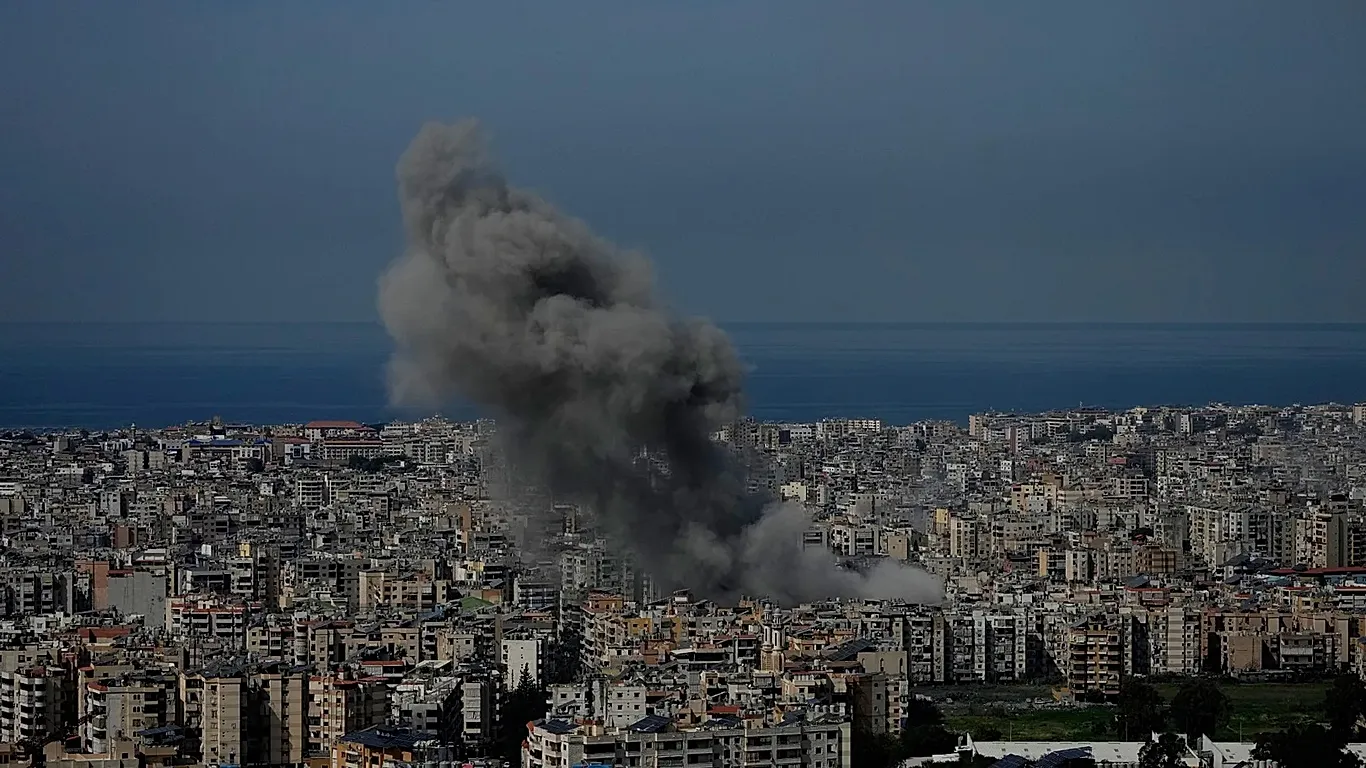
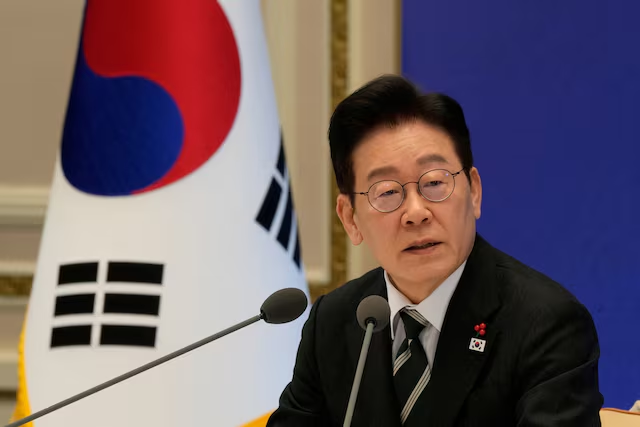
The South Korea Netanyahu ICC warrant review discussion has gained international attention after South Korean President Lee Jae Myung urged authorities to reconsider the International Criminal Court (ICC) arrest warrant for Israeli Prime Minister Benjamin Netanyahu. The statement came amid rising tensions following the seizure of a Gaza-bound humanitarian aid ship carrying South Korean activists.
The remarks were made during a Cabinet meeting and reflect growing diplomatic debate over international law, maritime security, and the ongoing conflict surrounding Gaza.

South Korea Questions Legal Basis of Gaza Aid Ship Seizure
South Korean President Lee Jae Myung raised concerns over the legality of Israel’s interception of a civilian aid vessel traveling toward Gaza. The ship was part of a humanitarian flotilla carrying activists from multiple countries, including two South Korean citizens.
Concerns Over International Maritime Law
The president questioned whether the vessel had entered Israeli territorial waters or violated any established international boundary.
Key points raised include:
- Unclear legal justification for ship interception
- Presence of civilian activists on board
- Lack of confirmed territorial violation
Reference to International Norms
Lee emphasized that international standards must be respected in conflict zones, stating that global norms appear to be increasingly disregarded in the current situation.
The South Korea Netanyahu ICC warrant review issue was linked to broader concerns about enforcement of international humanitarian law.
Debate Over ICC Arrest Warrant for Netanyahu
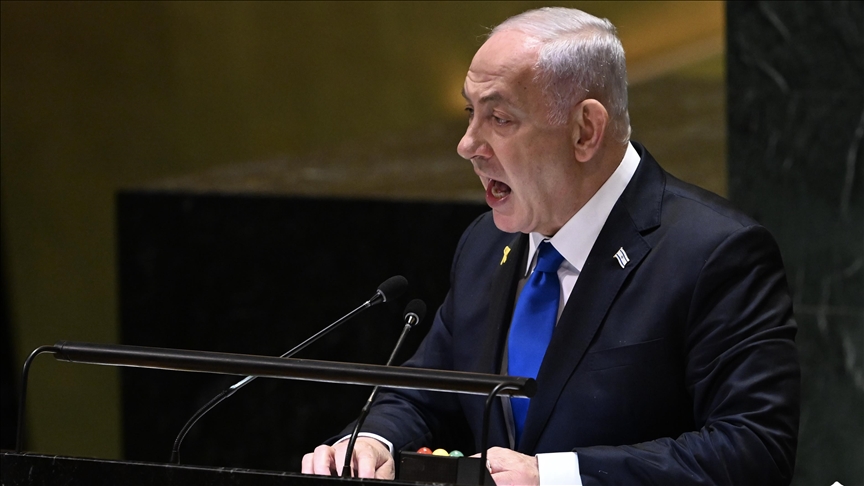
A central part of the discussion involved the International Criminal Court’s arrest warrant for Israeli Prime Minister Benjamin Netanyahu, which has been referenced by several countries in diplomatic discussions.
South Korea’s Position on International Law
President Lee suggested that South Korea should consider the implications of ICC rulings, similar to actions reportedly taken by some European countries.
He noted that:
- Several European states have discussed enforcing ICC warrants
- International accountability mechanisms are under review
- Legal standards must be consistently applied
Broader Legal and Diplomatic Implications
The South Korea Netanyahu ICC warrant review debate highlights ongoing global divisions over how ICC decisions should be implemented, particularly in active conflict zones.
Gaza Flotilla Incident and Activist Detention
The controversy intensified after Israeli naval forces intercepted a Gaza-bound humanitarian flotilla carrying aid and international activists.
Details of the Flotilla Mission
The flotilla, named the Global Sumud initiative, consisted of more than 50 vessels attempting to deliver humanitarian assistance to Gaza.
Key details include:
- Over 426 participants involved
- Activists from 39 countries
- Departure point: Marmaris, Türkiye
- Mission: Break blockade on Gaza
South Korean Nationals on Board
Among the participants were two South Korean activists who were reportedly detained during the interception. This added diplomatic sensitivity to the South Korea Netanyahu ICC warrant review discussion.
Israel’s Military Actions and International Reactions
Israeli naval forces intercepted the flotilla as it attempted to approach Gaza, which has been under blockade since 2007.
Israeli Position on Security Concerns
According to statements referenced during the discussion, Israel maintains that military operations are necessary due to ongoing conflict conditions in the region.
A national security response suggested:
- The conflict began following Hamas attacks
- Military control was imposed in response to security threats
- The situation remains part of an active conflict zone
South Korea’s Counter Questions
President Lee questioned whether Gaza is considered Israeli territory and whether international maritime law allows seizure of ships carrying foreign nationals in such circumstances.
Renewed Tensions Over Gaza Blockade
The Gaza blockade remains one of the most debated issues in international relations, with humanitarian groups frequently attempting to send aid via sea routes.
Previous Flotilla Incidents
This is not the first confrontation involving aid vessels:
- A similar flotilla was previously intercepted near Greece
- Reports indicate repeated maritime disruptions targeting aid missions
- International organizations continue to raise humanitarian concerns
Growing International Participation
The latest flotilla included participants from countries across multiple continents, reflecting widening global attention to the Gaza situation.
Participating countries included:
- European nations such as Germany, France, Italy, and the UK
- Asian countries including South Korea, Indonesia, and Pakistan
- Nations from Africa, the Americas, and the Middle East
Diplomatic Pressure and Global Legal Debate
The South Korea Netanyahu ICC warrant review issue reflects broader diplomatic tensions over how international law should be enforced during ongoing conflicts.
Key Diplomatic Concerns
- Enforcement of ICC rulings across different countries
- Legal status of maritime aid missions
- Sovereignty and territorial definitions in conflict zones
Questions Raised by South Korea
South Korean leadership emphasized the need for clarity on:
- Legal boundaries in maritime operations
- Protection of citizens abroad
- Consistency in applying international law
Humanitarian Context of Gaza Aid Missions
Humanitarian flotillas have been organized repeatedly to deliver aid to Gaza due to ongoing restrictions and conflict-related shortages.
Purpose of Aid Missions
These missions typically aim to:
- Deliver food and medical supplies
- Draw attention to humanitarian conditions
- Challenge maritime restrictions on Gaza access
Risks Faced by Activists
Participants in such missions often face:
- Naval interception
- Detention or deportation
- Diplomatic disputes between nations
FAQ
Why is South Korea reviewing the ICC warrant for Netanyahu?
South Korea is considering the implications of international legal actions following concerns over Gaza-related military and maritime incidents.
What happened to the Gaza aid ship involving South Korean activists?
The ship was intercepted by Israeli naval forces while part of a humanitarian flotilla attempting to reach Gaza.
What is the Global Sumud Flotilla?
It is a humanitarian mission involving over 50 vessels and activists from multiple countries aiming to deliver aid to Gaza.
Why is this issue internationally significant?
It raises questions about international law, ICC enforcement, and maritime rights during armed conflicts.
Conclusion
The South Korea Netanyahu ICC warrant review discussion underscores growing global debate over international justice, maritime law, and the Gaza conflict. As diplomatic tensions continue, the situation highlights the complexity of enforcing international legal frameworks during active geopolitical disputes.
Click here for more news