 0
0
 0
0
Ukrainian cargo plane Libya explosives investigations ended after authorities in Trinidad and Tobago cleared a Kyiv-based aircraft and its crew to continue their journey toward North Africa following a temporary detention over undeclared dangerous cargo.
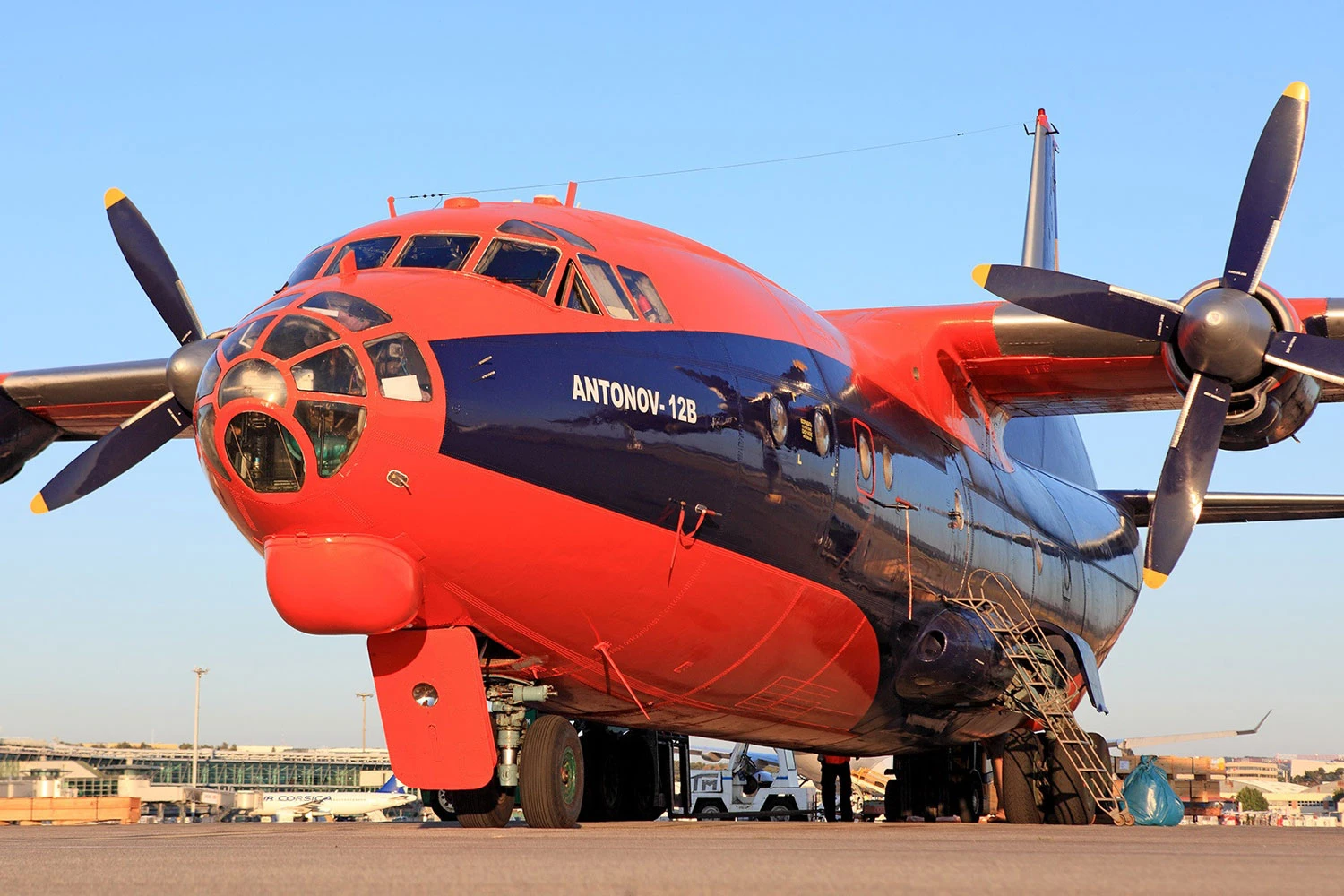
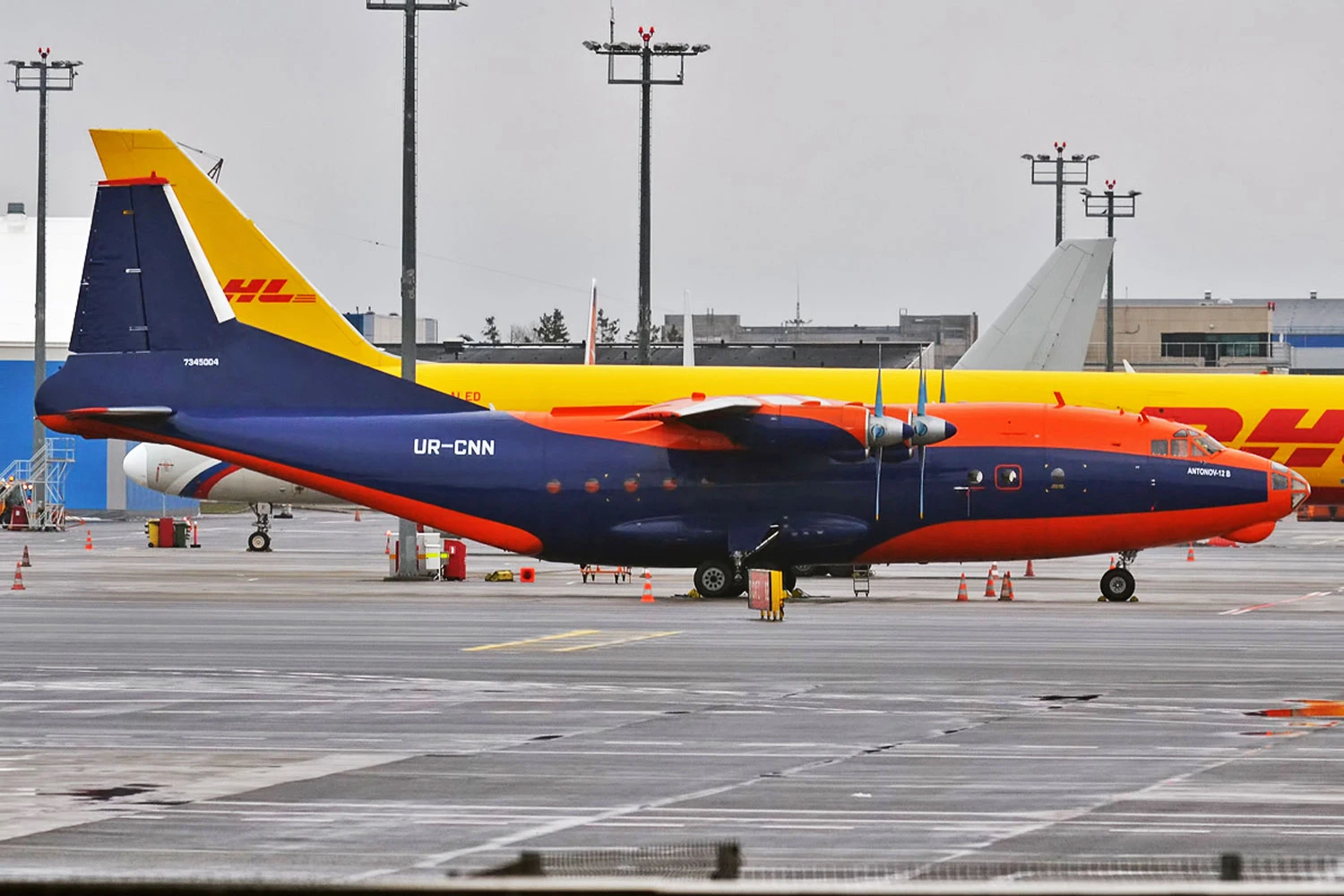
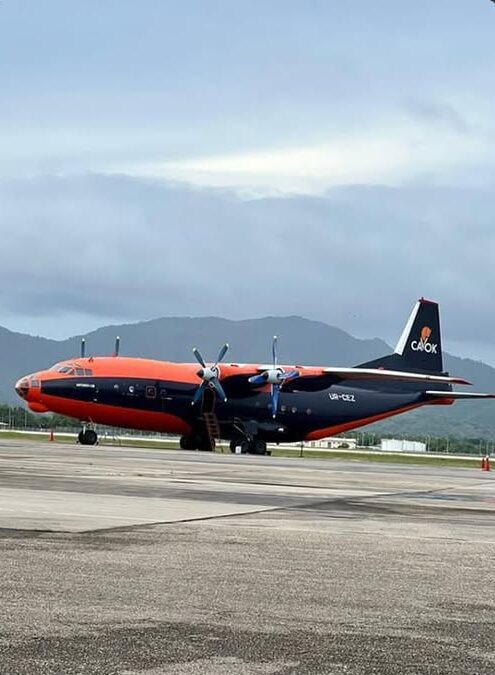
The aircraft, an Antonov An-12B operated by Ukrainian cargo airline Cavok Air, had been stopped at Piarco International Airport after officials reportedly discovered thousands of kilograms of explosives that were missing from the aircraft’s cargo manifest.
Authorities later concluded that the issue stemmed from documentation problems rather than criminal intent, allowing the aircraft to depart after nearly 24 hours of inspections and questioning.
Ukrainian Cargo Plane Detained During Refueling Stop
The Ukrainian cargo plane Libya explosives case began when the aircraft landed in Trinidad and Tobago on 14 May 2026 for a scheduled refueling stop during a transatlantic journey.
According to reports, the aircraft was traveling from the Bahamas toward Libya, with an additional stop planned in Cape Verde.
Immigration and customs officers conducting routine inspections reportedly discovered explosive materials on board that had not been properly declared in official documentation.
Authorities Found Cargo Missing From Manifest
Officials stated that the flight manifest initially listed the aircraft’s cargo status as empty or “nil,” despite the presence of dangerous materials on board.
The undeclared shipment immediately triggered a coordinated investigation involving customs officials, airport police, immigration officers, and international agencies.
The aircraft and its eight-member Ukrainian crew were temporarily detained while authorities inspected the cargo and verified documentation.
Dangerous Goods Identified During Inspection
Reports indicated that investigators identified approximately 7,656 kilograms of explosive materials aboard the aircraft.
The shipment was reportedly categorized under dangerous goods code UN0440, commonly associated with industrial explosives used in sectors such as:
- Mining operations
- Quarry blasting
- Oil and gas drilling
- Underwater engineering projects
Authorities stressed there was no immediate danger to the public during the incident.
International Agencies Joined the Investigation
The Ukrainian cargo plane Libya explosives investigation quickly involved several regional and international security agencies.
Authorities received support from AIRCOP, a United Nations-backed airport security initiative focused on preventing illicit trafficking activities.
United States border investigators also reportedly assisted local authorities during the inspection process.
Crew Questioned Over Cargo Documentation
Investigators questioned the Ukrainian pilot and co-pilot regarding the undeclared explosives.
Officials later concluded that the crew likely did not intentionally conceal the shipment and instead attributed the issue to cargo documentation errors by the shipping company.
Some reports suggested investigators initially held the crew responsible for the missing declaration, but no criminal charges were ultimately filed.
Trinidad Government Addresses Parliament
Trinidad and Tobago Homeland Security Minister Roger Alexander later addressed the issue publicly.
He confirmed that the aircraft carried “several tons of prohibited dangerous items” but emphasized that authorities determined there was no security threat to the country or its citizens.
The government also defended the decision to release the crew after the investigation concluded.
Cavok Air Plane Allowed to Continue to Libya
Following inspections and security clearances, authorities granted permission for the aircraft to resume its journey toward Libya.
Flight tracking information later showed the An-12B departing Trinidad and Tobago on 16 May 2026.
About Cavok Air
Cavok Air is a Ukrainian cargo airline headquartered in Kyiv. The company specializes in freight transportation using Antonov cargo aircraft.
The airline operates across Europe, Africa, and the Middle East, often transporting oversized or specialized cargo shipments.
The Antonov An-12B involved in the incident is a Soviet-designed turboprop cargo aircraft widely used for heavy freight operations.
Importance of Cargo Documentation
Aviation experts note that strict cargo declaration rules exist because dangerous goods require special handling procedures during air transport.
Missing or inaccurate cargo manifests can create serious safety concerns, especially when explosive materials are involved.
International aviation regulations require all hazardous materials to be properly labeled, documented, and communicated to airport authorities before flights depart.
Libya’s Growing Role in Regional Geopolitical Tensions
The Ukrainian cargo plane Libya explosives case has drawn wider attention because of Libya’s growing importance in regional security and geopolitical competition.
Libya remains divided between rival political and military factions, with multiple foreign powers competing for influence inside the country.
Ukraine and Russia Compete for Influence
Recent reports have suggested that both Ukraine and Russia have increased strategic activities linked to Libya and other African regions.
Russia has long maintained relationships with eastern Libyan commander Khalifa Haftar and his Libyan National Army.
Russian-backed forces and military equipment have reportedly continued operating in eastern Libya despite ongoing international tensions.
Reports of Ukrainian Presence in Libya
Some international media reports recently claimed Ukrainian personnel were operating from western Libya with the approval of the Tripoli-based government.
The reports linked Ukrainian operatives to alleged drone operations targeting vessels connected to Russia’s sanctions-evasion networks in the Mediterranean region.
However, Ukrainian authorities have not officially confirmed any military presence in Libya.
Aviation Security and Dangerous Goods Monitoring
The incident has renewed discussions about international aviation security procedures and dangerous goods enforcement.
Airports handling international cargo flights routinely conduct inspections to ensure compliance with global transport regulations.
Why Explosives Require Strict Monitoring
Explosive materials transported by air must meet specific international safety standards.
Authorities generally require:
- Proper cargo labeling
- Accurate manifests
- Specialized packaging
- Flight crew notification
- Airport handling protocols
Failure to follow these procedures can result in aircraft detention, fines, or criminal investigations.
Increasing Focus on Cargo Routes
Security agencies worldwide have intensified monitoring of cargo routes connected to conflict zones and politically sensitive regions.
Flights involving military equipment, industrial explosives, or dual-use materials often receive additional scrutiny from border and aviation authorities.
The Ukrainian cargo plane Libya explosives incident demonstrates how even routine refueling stops can trigger international investigations when documentation issues arise.
FAQ
Why was the Ukrainian cargo plane detained in Trinidad?
The aircraft was detained after authorities discovered explosives on board that were reportedly missing from the official cargo manifest.
What type of explosives were found on the plane?
Reports stated the shipment involved industrial explosives classified under dangerous goods code UN0440, commonly used in mining and drilling industries.
Was the Ukrainian crew arrested?
No criminal charges were filed against the crew after investigators concluded the issue was linked to documentation errors.
Where was the aircraft heading after Trinidad?
The aircraft was reportedly continuing its journey toward Libya after receiving clearance from authorities.
The Ukrainian cargo plane Libya explosives investigation highlights the strict international rules surrounding dangerous goods transportation and aviation security. Although the aircraft and crew were eventually cleared to continue their journey, the incident has drawn global attention due to the sensitive nature of the cargo and Libya’s growing geopolitical significance.
PLEASE CLICK HERE FOR MORE NEWS