 0
0
 0
0
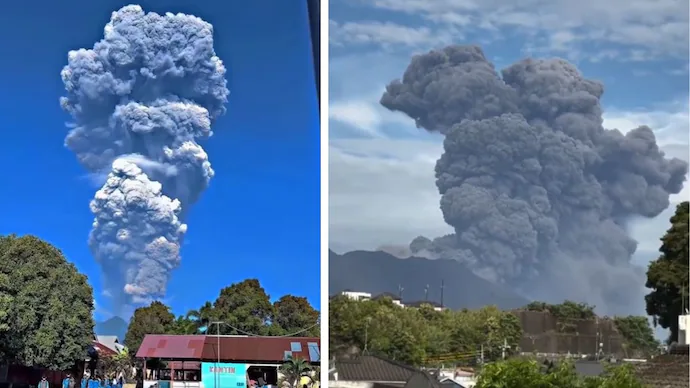
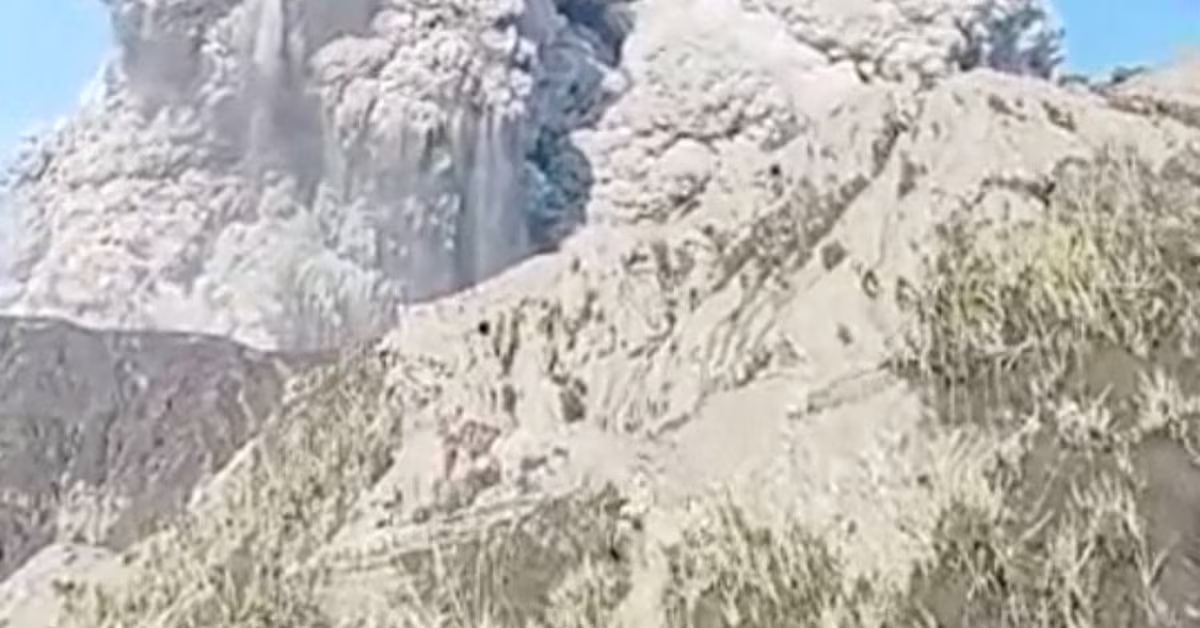
The Indonesia volcano eruption deaths have drawn global attention after two missing Singaporean nationals were confirmed dead following the eruption of Mount Dukono on Halmahera Island. The tragic discovery came after an intense and difficult search operation complicated by heavy rainfall, unstable volcanic conditions, and rugged terrain.
Authorities confirmed that the recovery effort ended a challenging multi-day search, as rescue teams battled both natural hazards and ongoing volcanic activity in the region. The incident highlights the continuing risks posed by active volcanoes in Indonesia, one of the most volcanically active countries in the world.
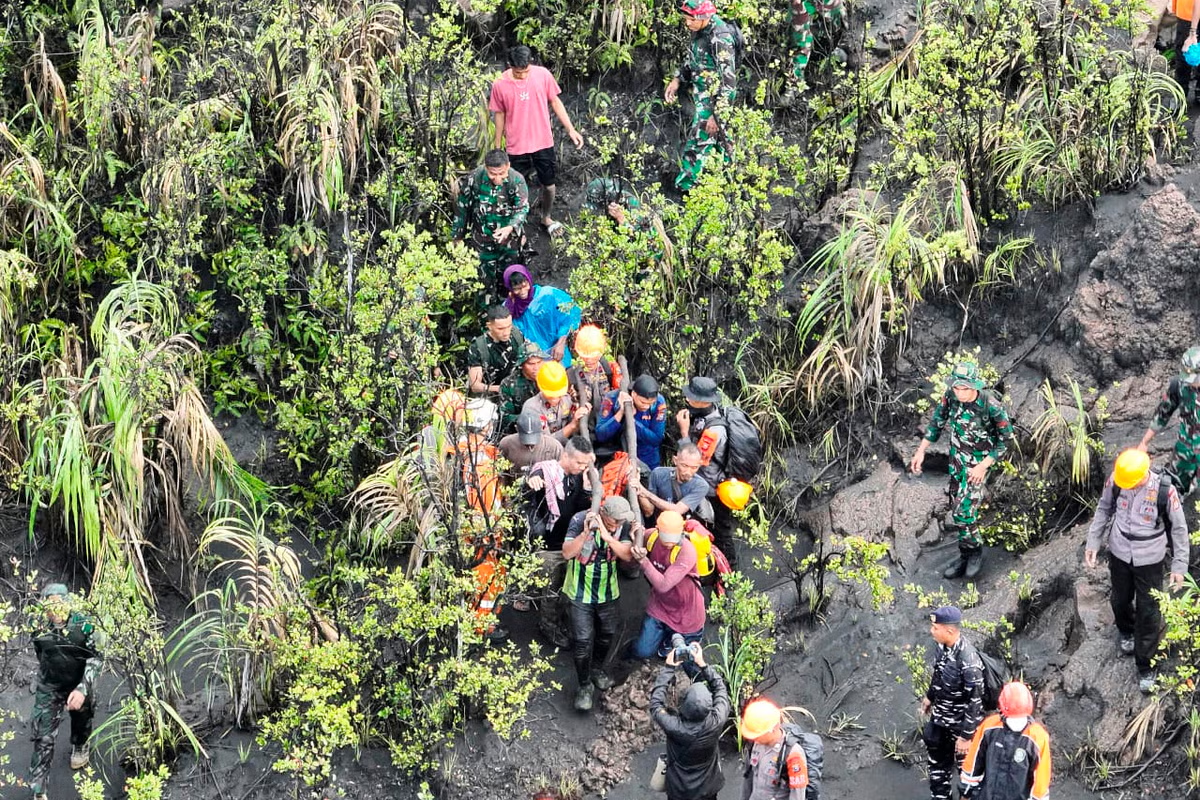
Search and Recovery After Mount Dukono Eruption
The search for the missing individuals began shortly after the eruption was reported. Rescue teams were deployed to locate the victims in a remote and hazardous area near Mount Dukono.
Difficult terrain and weather challenges
Rescue teams faced multiple obstacles during the operation, including:
- Steep volcanic slopes covered in ash and debris
- Continuous rainfall reducing visibility and stability
- Limited access routes due to remote geography
- Ongoing seismic and volcanic activity in the area
These conditions significantly slowed recovery efforts and increased the risks for emergency responders.
Discovery of the victims
After an extensive search, the bodies of the two missing Singaporean nationals were recovered under volcanic debris. Reports indicated that they were found together, reflecting the sudden and devastating nature of the eruption.
The recovery marked the end of a difficult operation that required coordination between local disaster response teams and national authorities.
Mount Dukono Volcano Activity and Eruption Impact
The Mount Dukono volcano eruption is part of a long history of volcanic activity on Halmahera Island. Dukono is known for frequent eruptions, making it one of Indonesia’s most persistently active volcanoes.
Background on Mount Dukono
Mount Dukono is located in North Maluku province and has been continuously active for decades. It is characterized by:
- Frequent ash emissions
- Explosive eruptions of varying intensity
- High levels of volcanic gas release
- Restricted access zones around its crater
Due to its activity, authorities regularly monitor the volcano and enforce safety restrictions for nearby areas.
Effects of the recent eruption
The latest eruption caused:
- Ash clouds spreading across surrounding regions
- Temporary disruption to local movement and visibility
- Increased risk in surrounding hiking and exploration zones
- Emergency response activation for nearby communities
The Indonesia volcano eruption deaths underscore how quickly conditions can change around active volcanic sites.
Indonesia’s Volcanic Risk and Safety Challenges
Indonesia sits on the Pacific “Ring of Fire,” making it highly vulnerable to earthquakes and volcanic eruptions. This geological position means the country experiences frequent volcanic activity across multiple islands.
Why Indonesia has so many volcanoes
Indonesia’s volcanic activity is driven by:
- Tectonic plate subduction zones
- High geothermal activity beneath the earth’s crust
- Multiple active volcanic chains across the archipelago
This makes monitoring and disaster preparedness a continuous national priority.
Common risks associated with eruptions
Volcanic eruptions in Indonesia often involve several hazards:
- Pyroclastic flows and hot ash clouds
- Sudden explosions with little warning
- Toxic gas emissions
- Mudflows triggered by rainfall mixing with ash
These risks can escalate quickly, especially in remote mountainous regions like Halmahera Island.
Singaporean Nationals and Ongoing Investigations
Authorities confirmed that the victims were Singaporean nationals who had been reported missing following the eruption. Their identities have not been widely disclosed pending formal procedures and notification processes.
Coordination between agencies
The recovery effort involved cooperation between:
- Indonesian disaster management authorities
- Local search and rescue teams
- Regional emergency response units
- Foreign diplomatic representatives
This coordination ensured that recovery procedures followed international protocols.
Investigation focus areas
Officials are expected to review:
- Movement patterns prior to the eruption
- Timing of volcanic activity warnings
- Accessibility of restricted zones
- Emergency response timelines
The Indonesia volcano eruption deaths may also prompt renewed discussions on safety measures for visitors near active volcano sites.
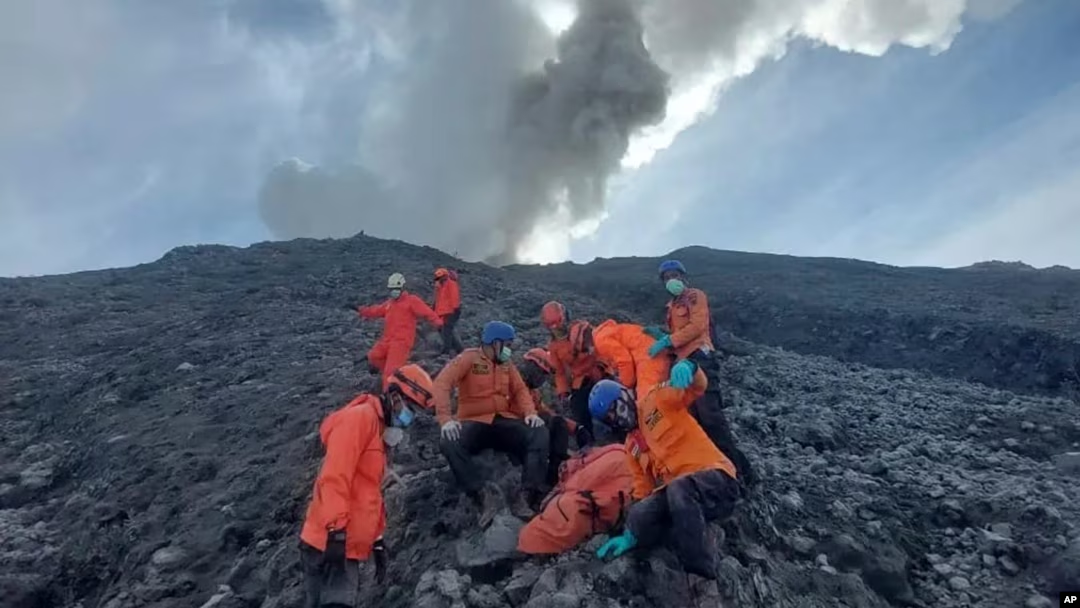
Emergency Response in Volcanic Disaster Zones
The incident highlights the challenges faced by emergency teams operating in active volcanic regions. Rescue operations in such environments require specialized equipment and careful coordination.
Key challenges for rescue teams
- Unstable ground conditions due to ash and lava deposits
- Rapid weather changes affecting visibility
- Risk of secondary eruptions
- Limited communication infrastructure
Importance of rapid response systems
Effective volcanic emergency response depends on:
- Early warning systems
- Clear evacuation protocols
- Continuous geological monitoring
- Public awareness of restricted zones
These systems play a critical role in reducing casualties during eruptions.
Broader Impact of Indonesia Volcano Eruption Deaths
The tragedy has renewed attention on volcanic safety in Indonesia and the importance of respecting exclusion zones around active sites. Mount Dukono, despite its known activity, remains a site that attracts scientific interest and occasional visitors.
Safety awareness concerns
Experts often emphasize:
- The unpredictability of volcanic eruptions
- The danger of entering restricted zones
- The need for real-time monitoring data
- Strict adherence to safety advisories
The Indonesia volcano eruption deaths serve as a reminder of the unpredictable power of natural disasters.
FAQ
What caused the Indonesia volcano eruption deaths near Mount Dukono?
The deaths occurred after Mount Dukono erupted, releasing ash and volcanic debris that trapped the victims in a dangerous area.
Where is Mount Dukono located?
Mount Dukono is located on Halmahera Island in North Maluku province, Indonesia, and is one of the country’s most active volcanoes.
Why is Mount Dukono considered dangerous?
It frequently erupts, producing ash clouds, gas emissions, and unstable ground conditions that make nearby areas hazardous.
How are volcanic eruptions monitored in Indonesia?
Authorities use seismic sensors, satellite data, and ground monitoring teams to track volcanic activity and issue warnings.
Conclusion
The Indonesia volcano eruption deaths at Mount Dukono highlight the severe risks associated with active volcanic regions. Despite coordinated rescue efforts, challenging environmental conditions made recovery operations extremely difficult. The incident reinforces the importance of strict safety measures, monitoring systems, and public awareness in areas surrounding active volcanoes.
Click here for more news