 0
0
 0
0
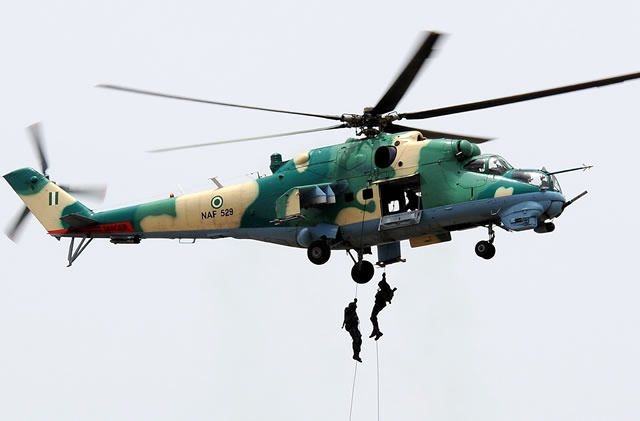
The NAF airstrike Katsina terrorists operation marks a significant counterterrorism success as the Nigerian Air Force carried out a precision strike on a terrorist enclave in Katsina State, destroying a key hideout and disrupting militant operations in the region.
The operation, conducted under a coordinated military campaign, targeted a known logistics hub used by armed groups operating across several local government areas. According to military authorities, the strike weakened terrorist mobility and supply chains in the affected axis.
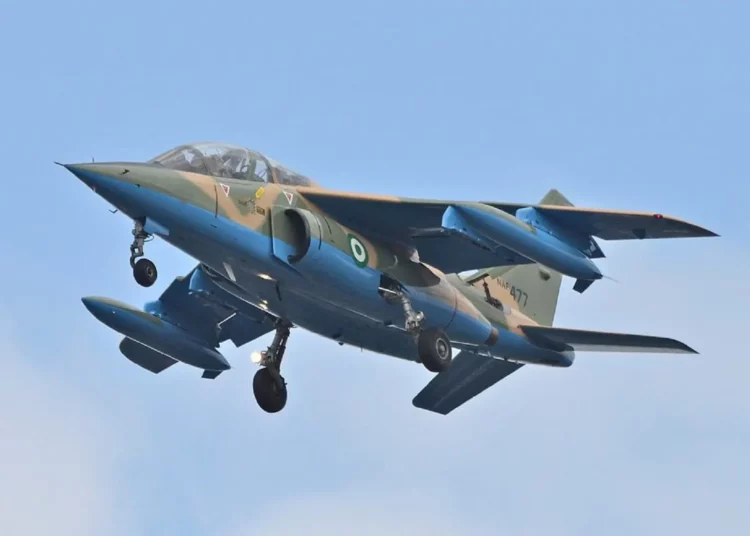
Overview of the Katsina Airstrike Operation
The latest NAF airstrike Katsina terrorists mission was executed as part of ongoing efforts to clear northern Nigeria of armed groups and restore stability in affected communities.
Operation details and timing
The strike took place on May 1 and was carried out under Operation Fansan Yamma, a military initiative focused on counterterrorism operations in the North-West region.
Key highlights include:
- Precision airstrike conducted by Nigerian Air Force assets
- Target located in Dan-Aji Forest, Faskari LGA
- Focus on disrupting terrorist logistics networks
- Coordination with intelligence reports
Strategic objective of the mission
The primary aim of the operation was to dismantle:
- Terrorist safe havens
- Supply and logistics routes
- Movement corridors used for attacks
- Operational bases within forested regions
Location of the Strike: Dan-Aji Forest, Katsina State
The attack targeted a remote forest area in Katsina State, which has been identified as a recurring hideout for armed groups.
Why the area was targeted
Dan-Aji Forest in Faskari Local Government Area has been linked to:
- Terrorist regrouping activities
- Movement of armed fighters
- Storage of weapons and supplies
- Coordination of cross-regional attacks
The NAF airstrike Katsina terrorists operation focused on eliminating these strategic advantages.
Connection to surrounding regions
Military intelligence suggests that fighters in the area operate across:
- Faskari axis
- Kankara region
- Funtua corridor
This network has been a concern for security agencies due to its mobility and coordination patterns.
Intelligence-Led Airstrike Operation
The Nigerian Air Force confirmed that the strike was based on intelligence reports indicating renewed militant activity in the area.
Surveillance and target identification
Before the strike, surveillance operations identified:
- Armed fighters moving on motorcycles
- A structured logistics hub within the forest
- Associated structures used for storage and coordination
This intelligence guided the precision nature of the mission.

Execution of coordinated strike
During the NAF airstrike Katsina terrorists operation:
- Air assets tracked and confirmed targets
- A coordinated strike was executed on the enclave
- Multiple structures were hit simultaneously
Impact of the Airstrike on Terrorist Network
Military authorities confirmed that the operation caused significant damage to the targeted group’s infrastructure and operational capacity.
Battle damage assessment results
Initial assessments revealed:
- Neutralization of several armed fighters
- Destruction of logistics infrastructure
- Severe damage to operational shelters
- Secondary explosions within the target zone
Operational disruption effects
The strike reportedly led to:
- Reduced movement of fighters in the region
- Disruption of supply chains
- Weakening of coordination among groups
- Temporary destabilization of the network
The NAF airstrike Katsina terrorists mission is considered a major setback for militant operations in the area.
Link to Terrorist Leadership and Networks
Security reports suggest the targeted enclave was associated with a known terrorist figure operating in the region.
Logistics hub connection
The destroyed site was reportedly linked to:
- A logistics support base
- Movement coordination for armed groups
- Storage of operational supplies
Regional operational influence
The network is believed to influence activities across multiple local government areas, contributing to instability in rural communities.
Nigerian Air Force Counterterrorism Strategy
The operation reflects ongoing efforts by the Nigerian Air Force to dismantle armed networks through sustained aerial campaigns.
Key strategic goals
The broader mission includes:
- Eliminating terrorist safe havens
- Restricting access to logistics support
- Supporting ground troop operations
- Enhancing regional security stability
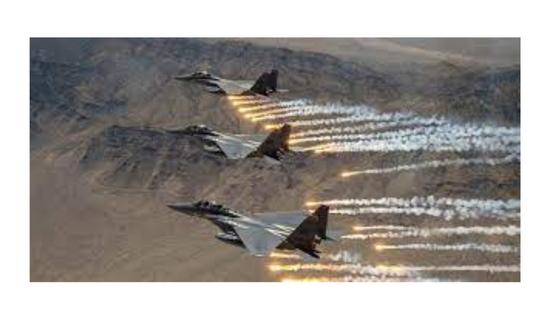
Role of air power in security operations
Airstrikes such as the NAF airstrike Katsina terrorists mission demonstrate the importance of:
- Rapid response capabilities
- Precision targeting systems
- Intelligence-driven operations
- Coordination with ground forces
Effects on Local Security Environment
The operation is expected to have both immediate and long-term effects on security conditions in the region.
Short-term impact
- Reduced militant movement in forest areas
- Temporary disruption of operational planning
- Increased pressure on remaining cells
Long-term implications
- Possible relocation of armed groups
- Strengthened military surveillance in the region
- Continued counterterrorism operations
Military Commitment to Ongoing Operations
Authorities have reiterated commitment to sustaining pressure on armed groups operating in northern Nigeria.
Focus areas moving forward
- Continued aerial surveillance
- Targeted strikes on identified enclaves
- Intelligence sharing and coordination
- Support for ground-based operations
The NAF airstrike Katsina terrorists operation reflects an ongoing campaign rather than a standalone mission.
FAQ
What was the Nigerian Air Force airstrike in Katsina about?
It was a precision airstrike targeting a terrorist hideout in Katsina State, aimed at destroying a logistics base and neutralizing fighters.
Where did the NAF airstrike take place?
The strike occurred in Dan-Aji Forest, located in Faskari Local Government Area of Katsina State.
What was destroyed during the operation?
The operation destroyed a terrorist logistics hub, associated structures, and disrupted militant operations in the area.
Why is the Katsina airstrike significant?
It is significant because it weakens terrorist networks, disrupts supply chains, and improves security in the North-West region.
Conclusion
The NAF airstrike Katsina terrorists operation represents a major step in Nigeria’s ongoing counterterrorism efforts. By targeting a key logistics hub in Katsina State, the Nigerian Air Force has disrupted militant operations and reduced their ability to coordinate attacks in the region.
While the immediate impact is significant, continued military pressure and intelligence-driven operations will be essential to maintaining long-term security and stability in affected areas.
Click here for more news