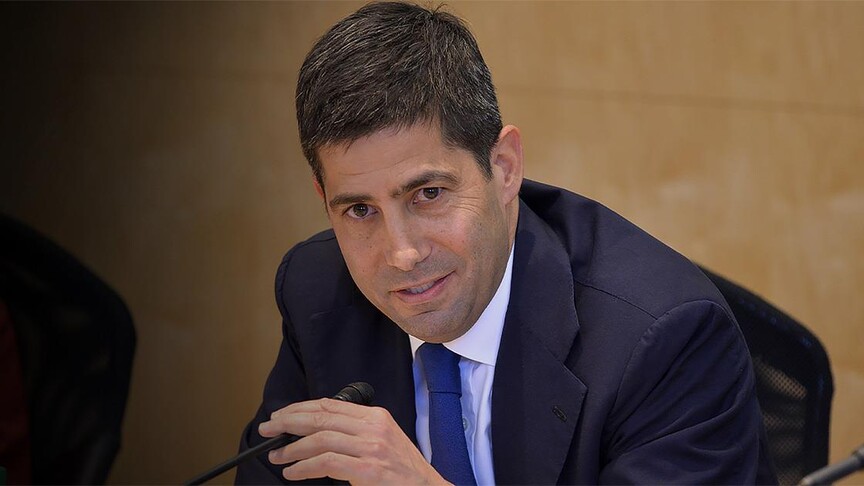


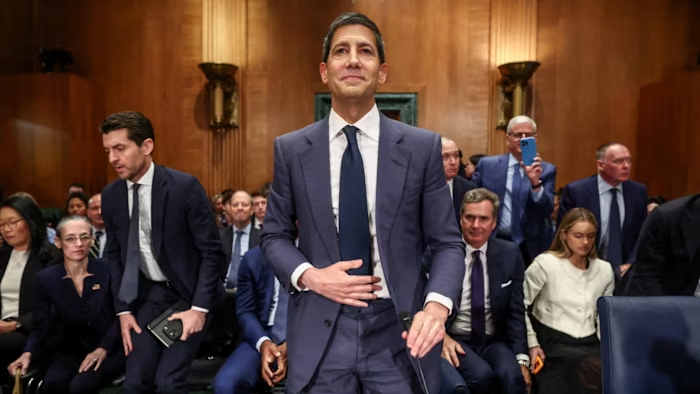
The Kevin Warsh Fed nomination Senate process reached a major milestone as the Senate Banking Committee voted to advance Kevin Warsh’s nomination to become the next Chair of the Federal Reserve. The decision came after a closely divided vote, reflecting strong partisan positions on the nomination.
The committee approved the nomination with a 13–11 vote, largely along party lines. This outcome clears an important procedural hurdle and sets the stage for a full Senate vote in the coming days.
Warsh has been nominated to succeed Jerome Powell, who currently leads the U.S. central bank.

Senate Banking Committee vote and political context
The advancement of the Kevin Warsh Fed nomination Senate reflects the political dynamics within the Senate Banking Committee. The vote was split along party lines, highlighting differences in economic policy perspectives between lawmakers.
A key turning point came when Thom Tillis withdrew his earlier opposition. His decision allowed the nomination to proceed through the committee stage.
Initially, Tillis had indicated he would block the nomination due to concerns related to an ongoing investigation involving the Federal Reserve. However, recent developments led to a shift in his stance.
Role of investigation in Kevin Warsh Fed nomination Senate progress
Justice Department decision and its impact
A significant factor in the progress of the Kevin Warsh Fed nomination Senate was the decision by the United States Department of Justice to close its investigation into matters related to the Federal Reserve.
The probe had focused on renovations at the central bank’s headquarters in Washington, D.C., particularly regarding alleged cost overruns. The closure of this investigation removed a key obstacle that had been influencing the nomination process.
Oversight by Inspector General
Following the Justice Department’s decision, the matter was referred to Michael Horowitz for further review.
According to statements from lawmakers, Horowitz has the authority to recommend further action if any wrongdoing is identified. However, initial assessments suggest that no criminal activity was established during earlier testimonies.
Statements from lawmakers
After the committee vote, Senator Tillis expressed confidence in the review process and indicated that the issue had been resolved. He emphasized that the concerns raised earlier did not amount to criminal conduct.
This clarification played a role in easing opposition within the committee and allowed the nomination to move forward.
Background on Kevin Warsh and Federal Reserve leadership
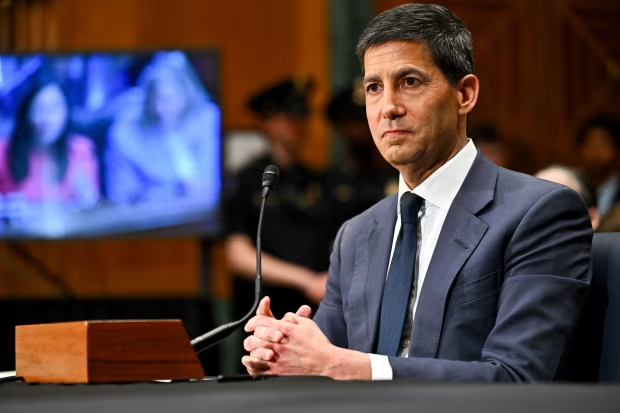
The Kevin Warsh Fed nomination Senate comes at a time of evolving economic priorities in the United States. Warsh, a former Federal Reserve official, is known for his experience in monetary policy and financial markets.

Previous experience and expertise
Kevin Warsh previously served as a member of the Federal Reserve Board of Governors. His background includes:
- Experience in financial regulation and policy
- Involvement in economic crisis response strategies
- Advisory roles in both public and private sectors
His nomination reflects a preference for leadership with deep knowledge of central banking operations.
Transition from Jerome Powell
If confirmed, Warsh would succeed Jerome Powell, who has overseen the Federal Reserve during periods of economic uncertainty and policy adjustments.
The transition marks a potential shift in leadership style and policy direction, depending on how Warsh approaches interest rates, inflation control, and financial regulation.
Economic policy context surrounding the nomination
Policy direction under current administration
The Kevin Warsh Fed nomination Senate process is taking place amid broader economic policy discussions. The current administration has indicated support for:
- Lower interest rates
- Tax reforms
- Regulatory adjustments
These priorities may influence expectations for the next Federal Reserve Chair.
Potential implications for monetary policy
While the Federal Reserve operates independently, its leadership decisions can have wide-ranging effects on economic conditions.
Key areas that may be impacted include:
- Interest rate policies
- Inflation management
- Financial market stability
- Employment and growth strategies
Observers note that the confirmation process will be closely watched for signals about future economic direction.
Next steps after Kevin Warsh Fed nomination Senate approval
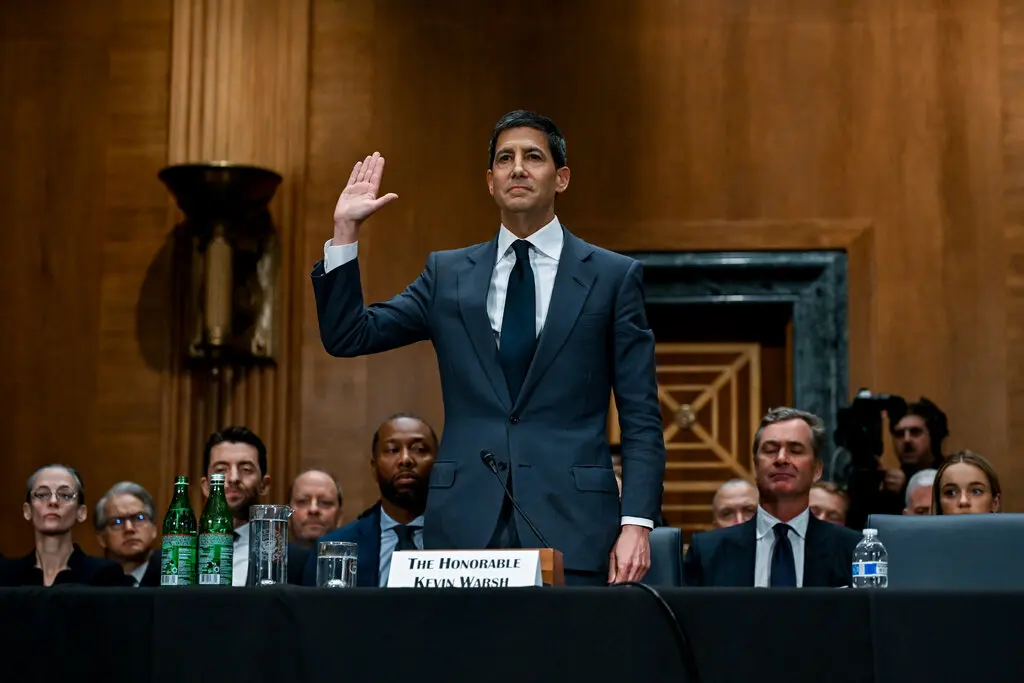
With committee approval secured, the Kevin Warsh Fed nomination Senate now moves to the full Senate for a final confirmation vote.
What happens in the full Senate vote
The full Senate will:
- Debate the nomination
- Review qualifications and policy views
- Vote to confirm or reject the nominee
Given the current Senate composition, the outcome will depend on party alignment and any cross-party support.

Timeline and expectations
While no exact date has been confirmed, the final vote is expected to take place soon. The process will determine whether Warsh officially becomes the next Chair of the Federal Reserve.
Frequently Asked Questions (FAQ)
What is the Kevin Warsh Fed nomination Senate about?
It refers to the process of confirming Kevin Warsh as the next Chair of the Federal Reserve through Senate approval.
Why was the nomination initially delayed?
The nomination faced delays due to concerns about an investigation into Federal Reserve headquarters renovations.
Who is Kevin Warsh?
Kevin Warsh is a former Federal Reserve official with experience in monetary policy and financial markets.
What happens next after the committee vote?
The nomination moves to the full Senate for a final confirmation vote.
Conclusion
The advancement of the Kevin Warsh Fed nomination Senate marks a significant step in the process of appointing new leadership for the Federal Reserve. With the committee vote completed, attention now shifts to the full Senate, where the final decision will determine the future direction of U.S. monetary policy leadership.
Click here for more news