
 0
0
 0
0
A cancer rise in young adults has been linked to a major contributing factor, according to new research that examines why more people under the age of 50 are being diagnosed with certain types of cancer. Scientists say obesity appears to play an important role, although it does not fully explain the increasing trend.
The study highlights growing concern among researchers as cancer rates continue to rise in younger populations across England and other regions, despite improvements in awareness and prevention efforts.
Growing Concern Over Cancer Rise in Young Adults
Increasing diagnosis rates under age 50
The cancer rise in young adults has become more noticeable in recent years, particularly for individuals aged between 20 and 49.
Recent data shows:
- Around 31,000 cancer cases diagnosed in younger adults in 2023 in England
- Roughly 1 in 1,000 people in this age group affected
- Higher rates compared to previous decades
Most common cancers in younger populations
Among younger adults, the most frequently diagnosed cancers include:
- Breast cancer
- Bowel cancer
- Skin melanoma
These cancers account for a significant portion of rising cases in under-50s.
Obesity Identified as a Key Contributing Factor
Link between obesity and cancer risk
Researchers say obesity is a major driver of the cancer rise in young adults, although it does not fully explain the trend.
Obesity may increase cancer risk due to:
- Higher insulin levels
- Chronic inflammation in the body
- Hormonal imbalances
These biological changes can create conditions that support cancer development.
Evidence from long-term data
Studies show that obesity rates have steadily increased since the mid-1990s, closely matching the rise in certain cancers among younger adults.
Researchers estimate:
- Around 20% of bowel cancer increase may be linked to BMI changes
- Up to 15% of early bowel cancer cases may be related to obesity
However, scientists stress that obesity alone cannot explain the full picture.

Other Lifestyle Factors Under Investigation
Common risk factors remain stable
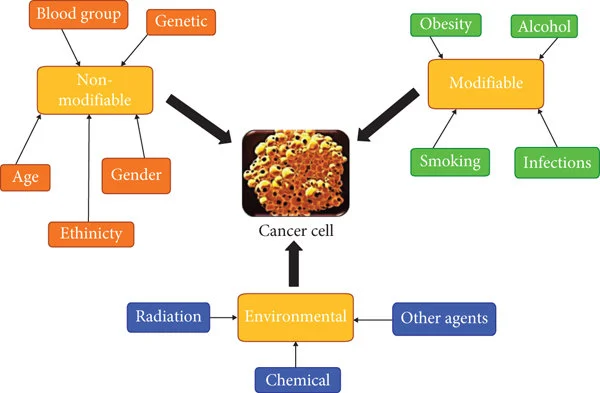
Interestingly, many traditional cancer risk factors have not increased in recent years. These include:
- Smoking rates
- Alcohol consumption
- Red and processed meat intake
- Low fibre diets
- Physical inactivity levels
Because these factors have remained stable or improved, researchers believe other causes must also be involved in the cancer rise in young adults.
Possible additional contributors
Scientists are now exploring other potential influences, including:
- Ultra-processed foods
- Antibiotic exposure
- Environmental pollution
- Changes in gut health
- Improved cancer detection methods
However, evidence for these factors is still developing.
Experts Warn the Trend Is Complex
Multiple causes likely involved
Researchers emphasize that the cancer rise in young adults is unlikely to be caused by a single factor.
Instead, experts suggest:
- A combination of lifestyle and biological factors
- Interactions between diet, metabolism, and environment
- Unknown variables still not fully identified
Medical expert insights
According to cancer researchers, obesity-related insulin and inflammation may play a role in some cancers, particularly bowel cancer. However, they stress that this is still an active area of study.
Types of Cancer Increasing in Younger Adults
11 cancer types identified
The study found that several cancers are rising among adults aged 20–49, including:
- Bowel cancer
- Breast cancer
- Liver cancer
- Kidney cancer
- Pancreatic cancer
- Thyroid cancer
- Ovarian cancer
- Oral cancer
- Endometrial cancer
- Gallbladder cancer
- Multiple myeloma
Patterns in cancer growth
Most of these cancers are also increasing in older adults, suggesting shared underlying causes. However, bowel and ovarian cancers are showing sharper increases specifically in younger groups.
Why Obesity Matters in Cancer Development
Biological mechanisms
Experts explain that obesity may contribute to cancer through:
- Increased insulin production
- Hormonal disruptions
- Chronic low-grade inflammation
These conditions may encourage abnormal cell growth over time.
Growing public health concern
The cancer rise in young adults has led health experts to call for stronger action on obesity prevention, particularly among children and teenagers.
Calls for Stronger Public Health Action
Focus on prevention strategies
Researchers recommend urgent public health measures, including:
- Reducing childhood obesity rates
- Promoting healthier diets
- Increasing physical activity levels
- Improving access to preventive healthcare
Importance of early intervention
Experts warn that preventing obesity early in life may significantly reduce future cancer risks in younger populations.

Need for Further Research
Gaps in current understanding
Despite progress, scientists acknowledge that many questions remain unanswered about the cancer rise in young adults.
They are calling for:
- Long-term population studies
- Better tracking of environmental exposures
- Deeper analysis of biological mechanisms
Complex global trend
Similar patterns of rising cancer in younger adults are being observed internationally, suggesting global lifestyle and environmental changes may be involved.
FAQ Section
What is causing the cancer rise in young adults?
Obesity is considered a key factor, but researchers say multiple lifestyle and environmental causes are likely involved.
Which cancers are increasing in younger people?
Bowel, breast, liver, kidney, and several other cancers are rising among adults under 50.
Does obesity directly cause cancer?
Obesity increases cancer risk through inflammation, hormones, and insulin changes, but it is not the only factor.
Can cancer in young adults be prevented?
Many cases may be reduced through healthier lifestyles, early screening, and obesity prevention.
Conclusion
The cancer rise in young adults is a growing public health concern linked strongly to obesity, though researchers emphasize that the full explanation is more complex. While lifestyle factors play an important role, ongoing studies suggest multiple biological and environmental influences are also contributing. Experts agree that prevention efforts, especially around obesity reduction, are critical to slowing this trend in the future.
PLEASE CLICK HERE FOR MORE NEWS