
 0
0
 0
0
The Wassim al-Assad trial Syria case has entered a significant phase as a criminal court in Damascus formally opened proceedings against the cousin of former Syrian President Bashar al-Assad. The trial marks one of the most high-profile legal actions undertaken by Syrian authorities since the political transition that followed the end of the Assad family’s rule.
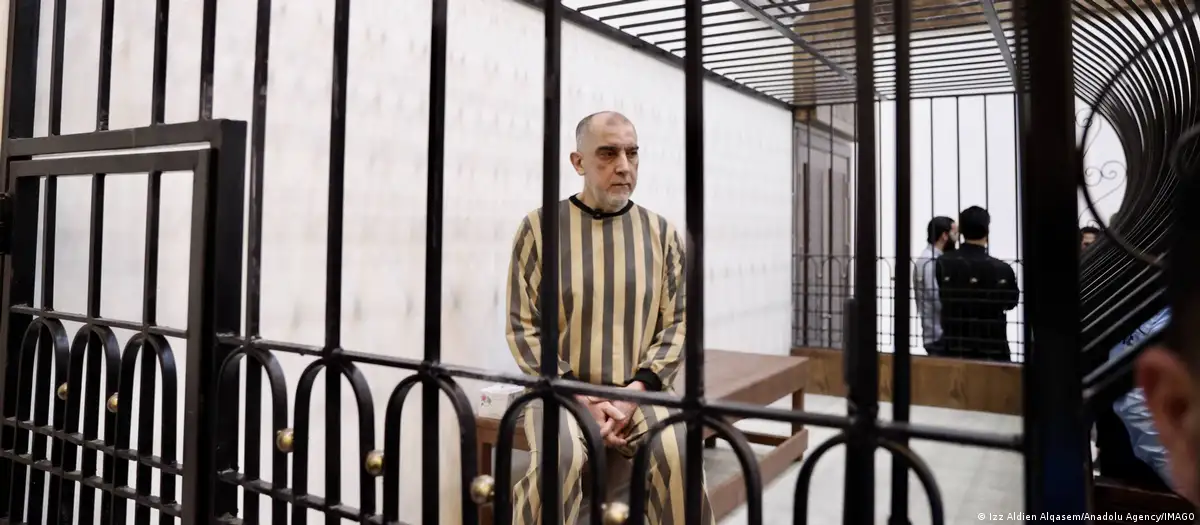
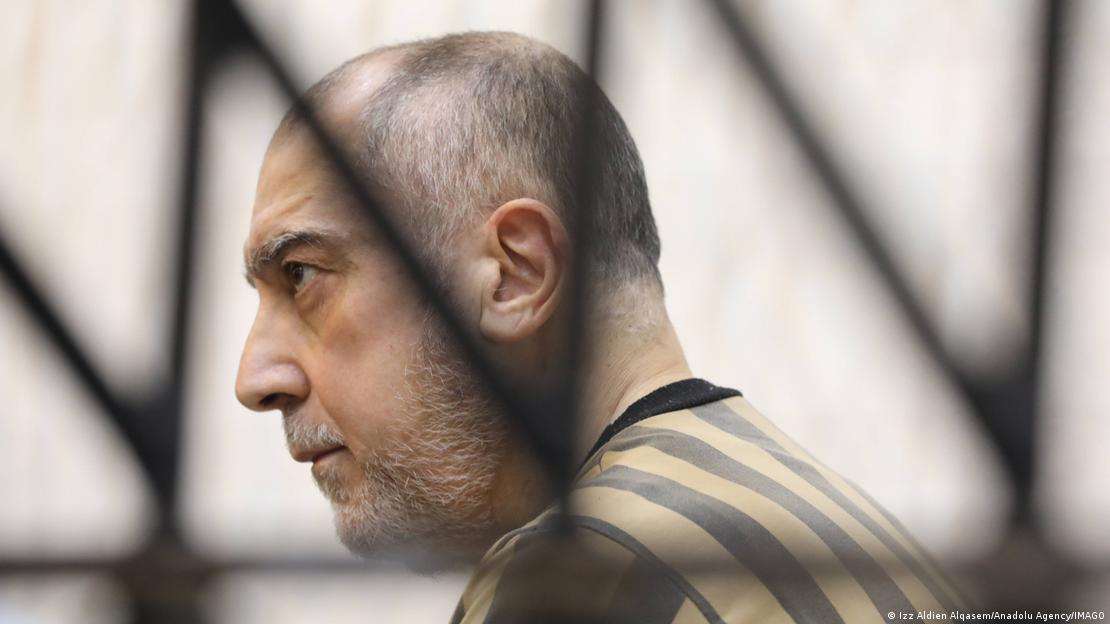
According to Syrian state media, the Fourth Criminal Court in Damascus held its first hearing on June 24, 2026, with witnesses providing testimony as prosecutors presented allegations against Wassim al-Assad. The case is being closely watched both inside and outside Syria because it is viewed as part of broader efforts to address alleged crimes committed during the former government’s decades in power.
The proceedings also come as Syria’s transitional administration continues to pursue accountability measures aimed at investigating abuses and criminal activities linked to figures associated with the previous regime.

Damascus Court Begins Proceedings Against Wassim al-Assad
The opening hearing represents the first formal court session in the case against Wassim al-Assad, who has faced accusations for years regarding alleged criminal activities during the rule of the former Syrian government.
Authorities stated that the court heard witness testimony during the session and reviewed initial evidence connected to the charges.
The Wassim al-Assad trial Syria proceedings are expected to continue through additional hearings as prosecutors seek to present their case before the court.
Charges Presented in Court
According to information released by Syrian authorities, Wassim al-Assad faces multiple accusations.
These include:
- Drug trafficking offenses
- Alleged involvement in organized criminal activities
- Crimes reportedly committed during the former regime’s rule
- Participation in networks linked to illegal operations
The court has not yet delivered any verdict, and legal proceedings remain ongoing.
Importance of the First Hearing
The first hearing establishes the legal framework for the case and allows prosecutors to formally present allegations before judges.
Witness testimony and documentary evidence are expected to play important roles as the trial progresses through subsequent sessions.
The case is considered one of the most prominent legal proceedings involving a member of the Assad family since the country’s political transition.
Who Is Wassim al-Assad?
Wassim al-Assad, 46, is a cousin of former Syrian President Bashar al-Assad and has long been associated with allegations surrounding illicit activities in Syria.
Over the years, various governments and international organizations have raised concerns regarding his alleged role in criminal enterprises operating during the former regime.
Relationship to the Assad Family
The Assad family maintained significant influence in Syria for decades.
As a relative of Bashar al-Assad, Wassim became one of several figures whose activities attracted international scrutiny during and after the Syrian conflict.
Although not a senior government official, his name frequently appeared in reports concerning alleged illicit networks linked to powerful individuals connected to the former ruling structure.
International Sanctions
Wassim al-Assad has been subject to sanctions imposed by both the United States and European authorities.
These measures were introduced over allegations concerning involvement in illegal activities and support for networks accused of benefiting from the former government’s influence.
Sanctions typically include restrictions on travel, financial transactions, and access to assets under the jurisdiction of sanctioning authorities.
Allegations Linked to Captagon Trafficking
One of the most widely reported allegations against Wassim al-Assad involves the production and smuggling of Captagon.
Captagon is a synthetic stimulant that has become a major concern across parts of the Middle East in recent years.
What Is Captagon?
Captagon is the common name used for illicit stimulant tablets that are trafficked across several countries in the region.
Authorities in multiple nations have conducted large-scale seizures involving millions of tablets over the past decade.
The illegal trade has generated significant attention because of its economic scale and regional security implications.
Longstanding Accusations
For years, reports from regional and international sources alleged that networks connected to influential individuals in Syria were involved in Captagon production and distribution.
Wassim al-Assad has repeatedly been mentioned in connection with these allegations.
However, the current court proceedings represent one of the first opportunities for Syrian judicial institutions to formally examine these claims through legal channels.
Arrest and Investigation Timeline
The legal process leading to the Wassim al-Assad trial Syria case began with his arrest in 2025.
Authorities announced the detention as part of a broader campaign targeting individuals accused of crimes linked to the previous government.
Arrest in June 2025
Syrian officials confirmed that Wassim al-Assad was arrested on June 21, 2025.
The arrest formed part of wider investigations aimed at identifying and prosecuting individuals suspected of participating in criminal activities under the former regime.
The detention was viewed as a significant step in the country’s efforts to establish accountability following political change.
Investigation Phase
Following his arrest, authorities reportedly conducted investigations involving evidence collection, witness interviews, and legal reviews.
These efforts ultimately resulted in prosecutors bringing formal charges before the Damascus criminal court.
The trial now serves as the next stage in determining whether sufficient evidence exists to support the allegations.
Syria’s Transitional Justice Efforts
The trial is taking place against the backdrop of broader transitional justice initiatives underway in Syria.
Following the end of Bashar al-Assad’s rule, authorities pledged to examine alleged abuses and criminal activities committed over previous decades.
Goals of Transitional Justice
Transitional justice generally refers to measures designed to address serious violations that occurred during periods of conflict or authoritarian rule.
Common objectives include:
- Establishing accountability
- Providing justice for victims
- Strengthening legal institutions
- Promoting rule of law
- Documenting historical events
Syrian officials have stated that current legal proceedings form part of these wider goals.
Role of the Judiciary
Government representatives have emphasized that ongoing cases are being handled through formal judicial processes.
Officials say legal procedures are intended to ensure fairness while maintaining judicial independence and adherence to the rule of law.
Observers will likely continue monitoring how courts manage high-profile cases involving former regime figures.
Another High-Profile Trial Scheduled
Syrian authorities have also announced legal proceedings involving former Grand Mufti Ahmad Hassoun.
The case is expected to begin shortly after the opening hearing against Wassim al-Assad.
Charges Against Ahmad Hassoun
According to officials from the Justice Ministry, Hassoun faces accusations linked to statements and religious rulings allegedly issued during the Syrian uprising that began in 2011.
Authorities claim these actions contributed to incitement during a period of intense conflict.
As with the Wassim al-Assad case, the court will evaluate evidence and testimony before reaching any conclusions.
Broader Accountability Process
The scheduling of multiple trials suggests that Syrian authorities intend to continue pursuing investigations involving former government figures.
These proceedings are part of a wider effort to address unresolved allegations from previous years and establish legal accountability through the court system.
Political Changes Since Assad’s Departure
The legal developments come after major political changes in Syria.
Former President Bashar al-Assad left the country in December 2024, bringing an end to decades of rule associated with the Baath Party.
End of a Political Era
The Baath Party had governed Syria since 1963, making it one of the longest-running political systems in the region.
Assad himself served as president for nearly 25 years before departing the country.
His exit marked a major turning point in Syrian politics.
Formation of a Transitional Administration
In January 2025, a transitional administration led by President Ahmad al-Sharaa was established.
The government has since focused on institutional reforms, reconstruction efforts, and legal processes aimed at addressing issues from the previous era.
The ongoing court proceedings form part of these broader national initiatives.
FAQ
What charges does Wassim al-Assad face in Syria?
Wassim al-Assad faces charges related to drug trafficking, alleged involvement in criminal activities, and other offenses reportedly committed during the former Syrian government’s rule.
Why is the Wassim al-Assad trial Syria case important?
The case is significant because it is one of the first major trials involving a member of the Assad family since Syria’s political transition and reflects ongoing accountability efforts.
When was Wassim al-Assad arrested?
Syrian authorities arrested Wassim al-Assad on June 21, 2025, during a wider campaign targeting individuals accused of crimes connected to the former regime.
What is Syria’s transitional justice process?
Transitional justice refers to legal and institutional efforts aimed at addressing alleged abuses and crimes from previous periods while promoting accountability and the rule of law.
The Wassim al-Assad trial Syria proceedings represent a notable moment in the country’s evolving legal and political landscape. As the case continues through the courts, attention will remain focused on how Syrian authorities pursue accountability, uphold legal procedures, and address allegations linked to the former regime. The outcome could have broader implications for ongoing transitional justice efforts across the country.
Click here for more news